A Dutch Courtyard by Hooch, Pieter de
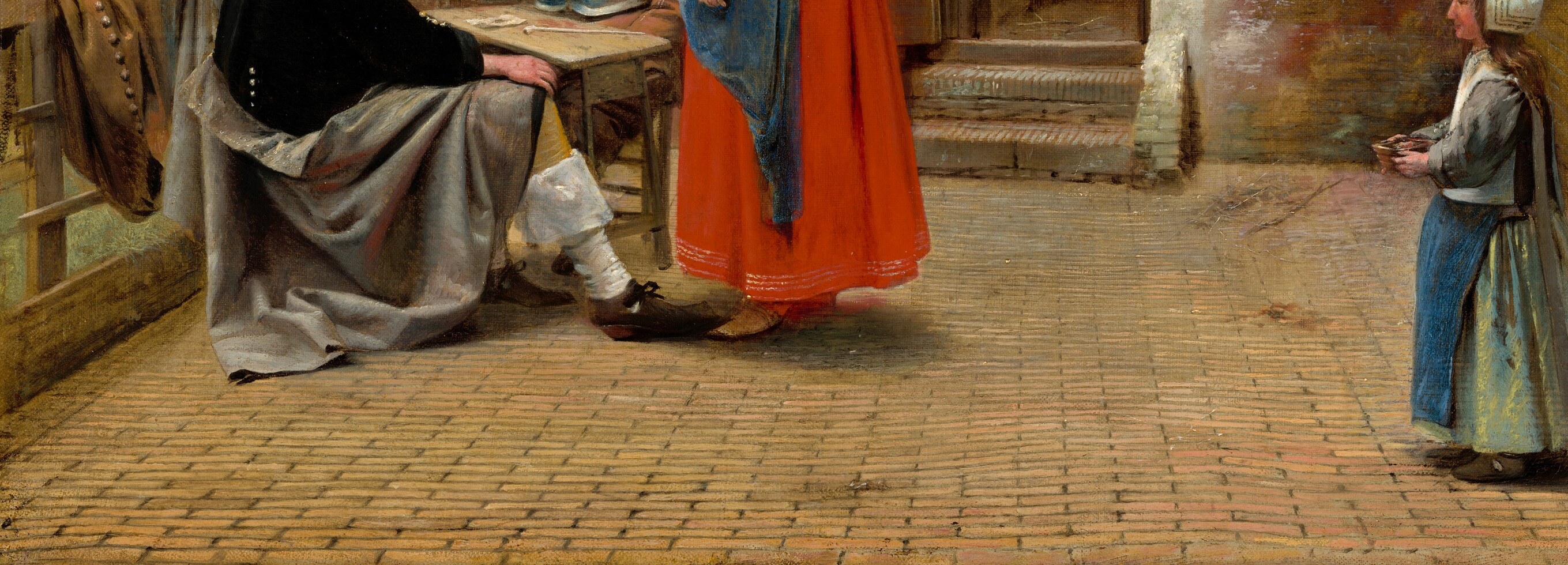
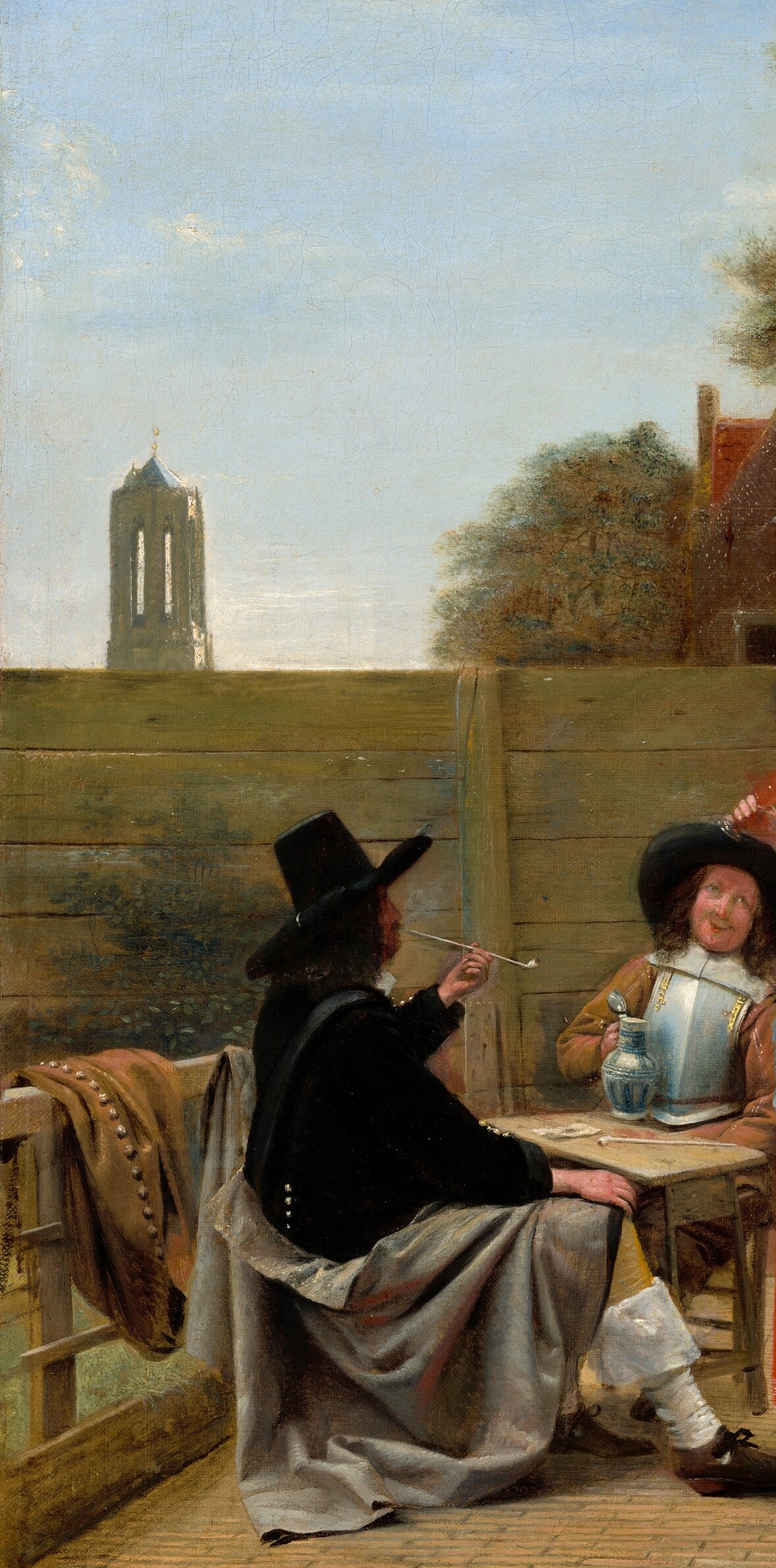
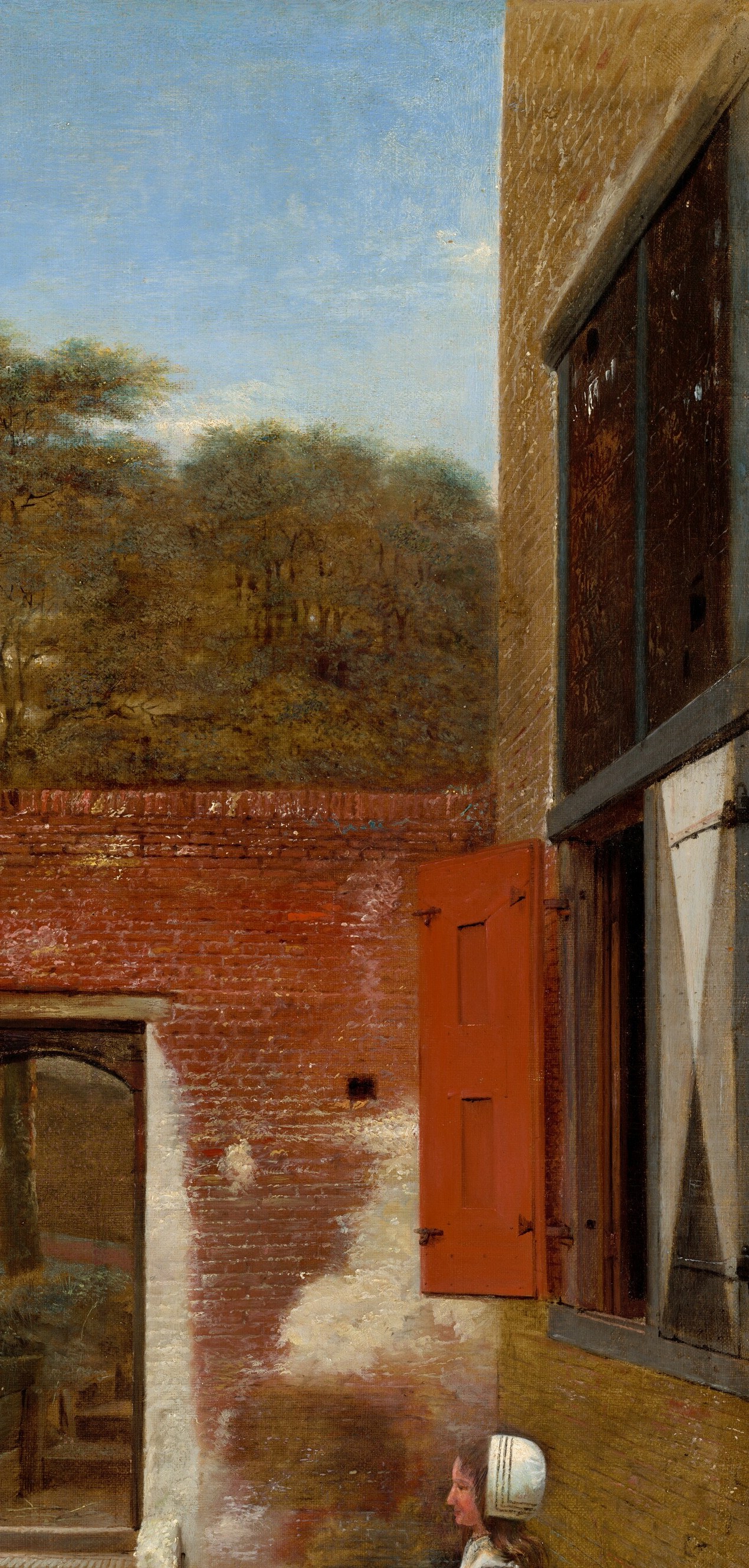
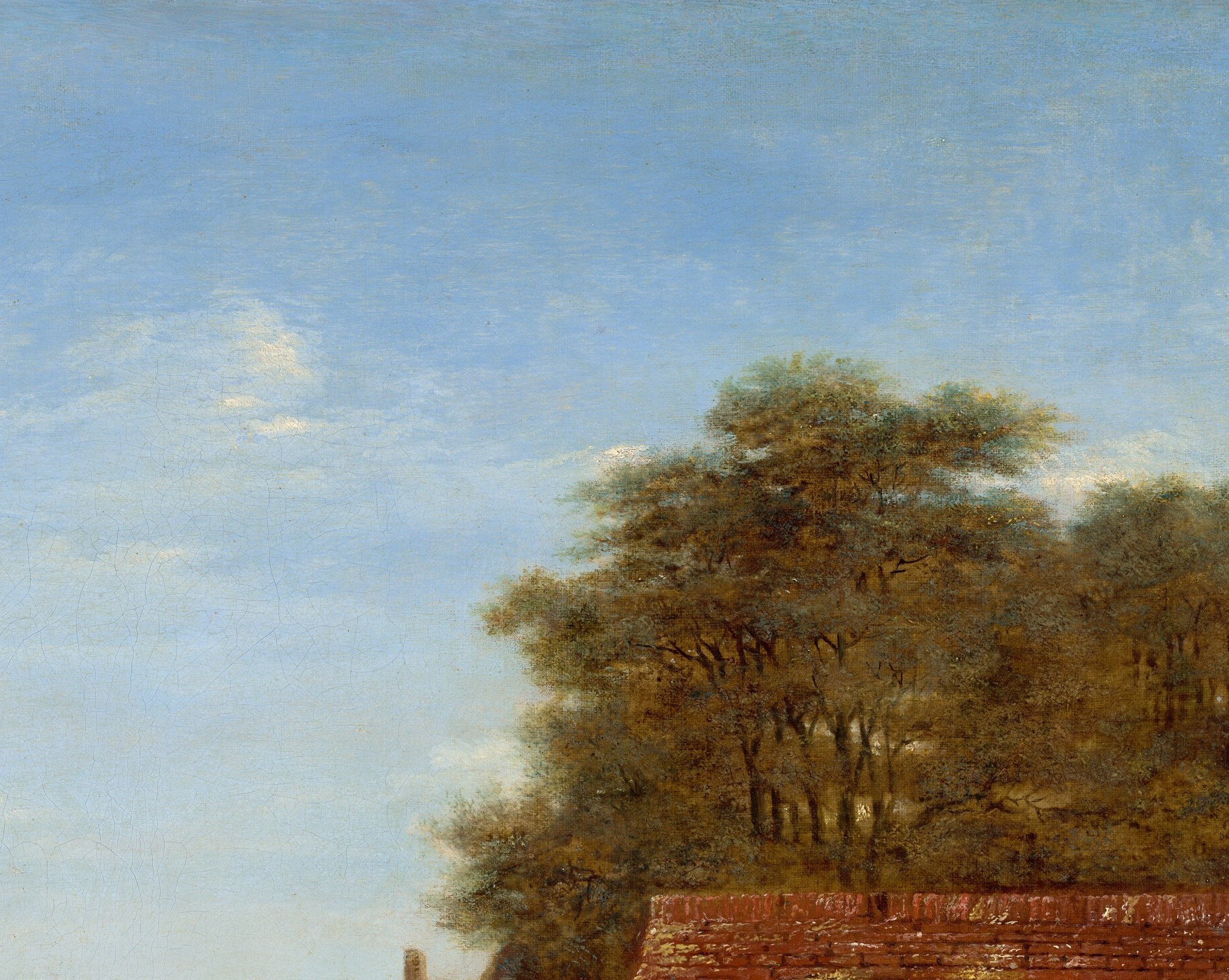
Pieter de Hooch's 'A Dutch Courtyard,' painted between 1658 and 1660, is a quintessential example of Dutch Golden Age genre painting, housed in the National Gallery of Art in Washington, D.C.
This oil on canvas work invites viewers into a peaceful domestic moment within a private outdoor space. While the central figures, a man with a pipe, a woman with a jug, and a child, suggest shared family life, de Hooch masterfully introduces a subtle counter-narrative.
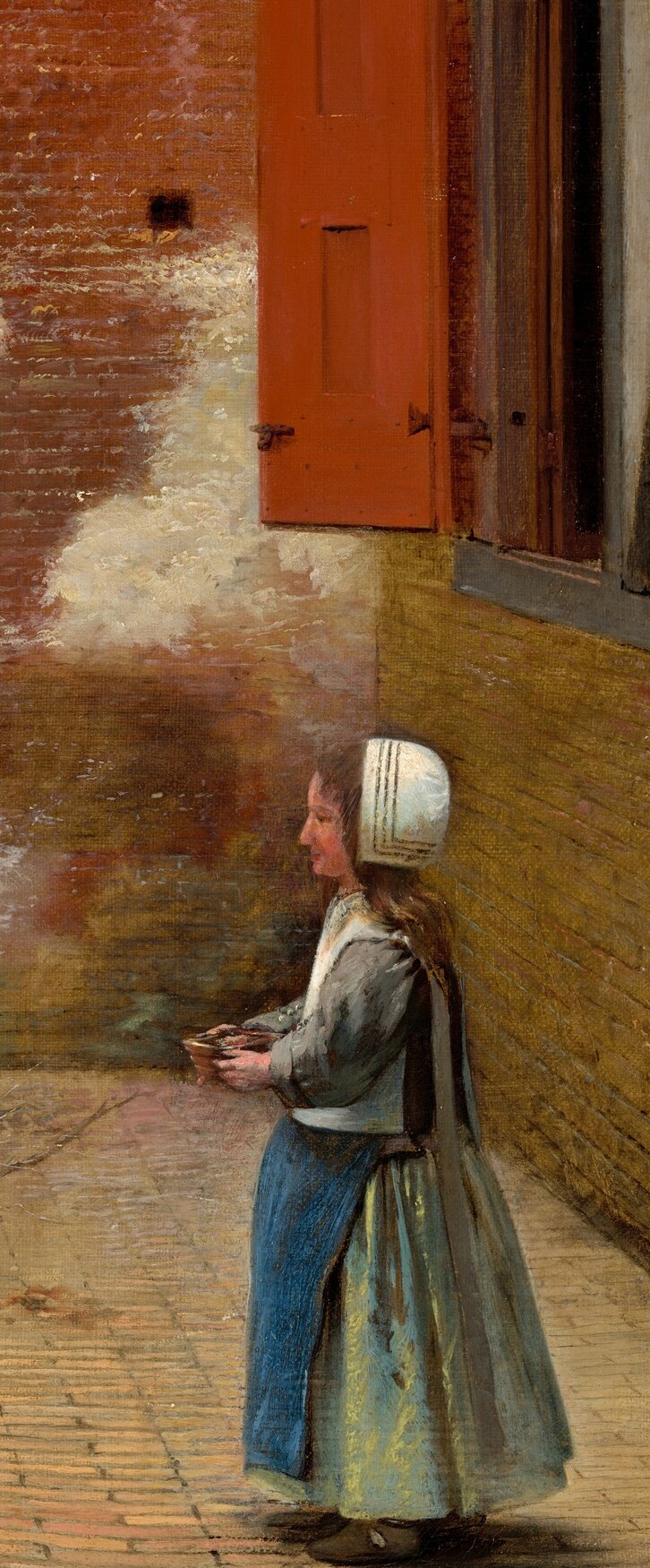
Look closely at the far right edge of the painting. Here, a solitary child stands apart, a quiet figure almost blending into the background. This small detail, often overlooked, provides a poignant contrast to the convivial group, adding a layer of subtle introspection to an otherwise harmonious scene. De Hooch was known for his ability to capture intimate realism and the quiet dignity of everyday life.
What other hidden moments might be waiting in paintings you thought you knew?
Details
Transcript
This painter was famous for tranquil Dutch courtyards. He was a contemporary of Vermeer, working in Delft. Most details here say family and contentment. But look closely at the far right margin. A lone child stands apart, almost overlooked. A small counterpoint of solitude, easily missed.