Portrait d'un moine (Monk's Portrait) by Paul Cézanne
Paul Cézanne's *Portrait d'un moine (Monk's Portrait)* from 1866, now at The Metropolitan Museum of Art, offers a fascinating look at the artist's early emotional style, long before his famous Post-Impressionist work. The painting captures a monk with a direct, intense gaze, revealing Cézanne's initial explorations into individual character and emotional depth.
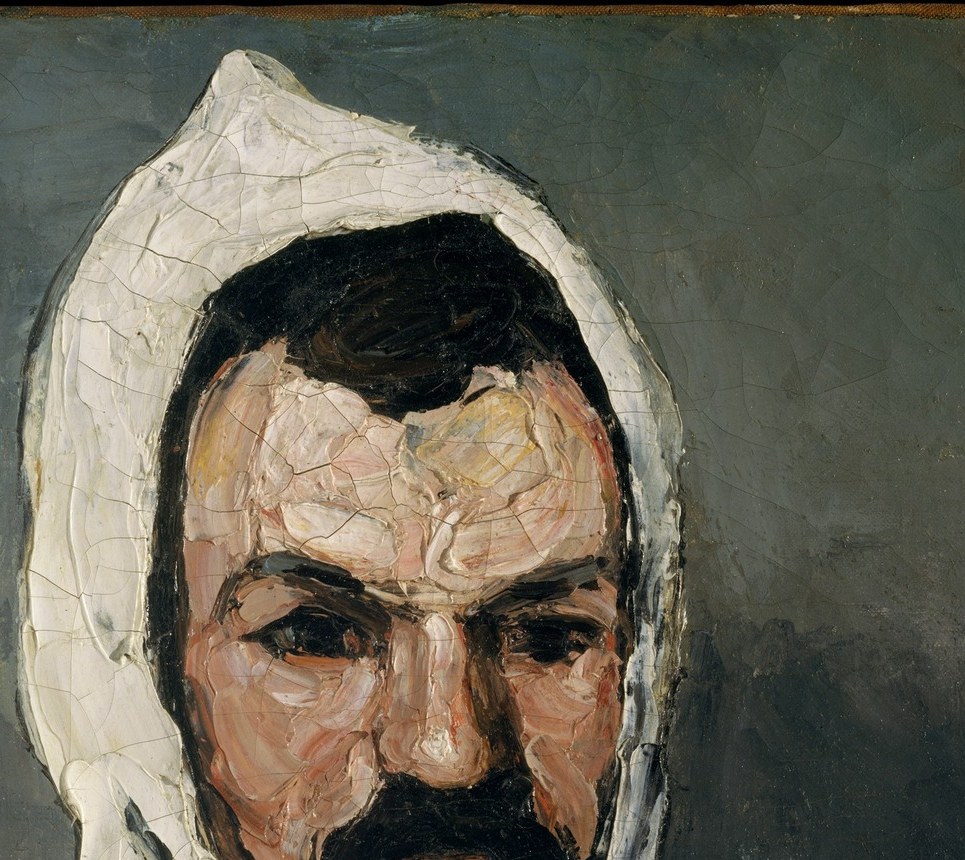
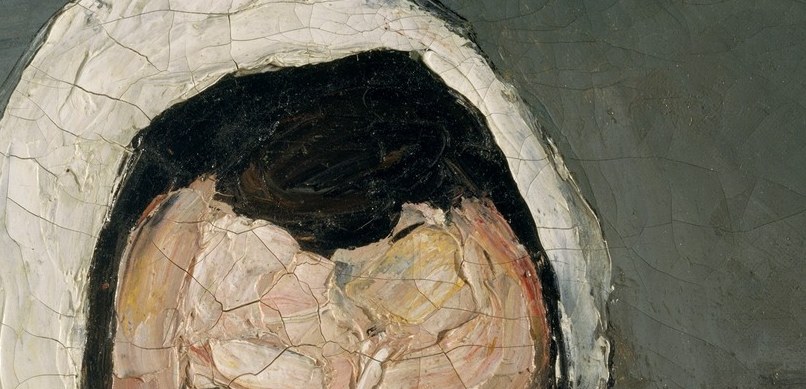
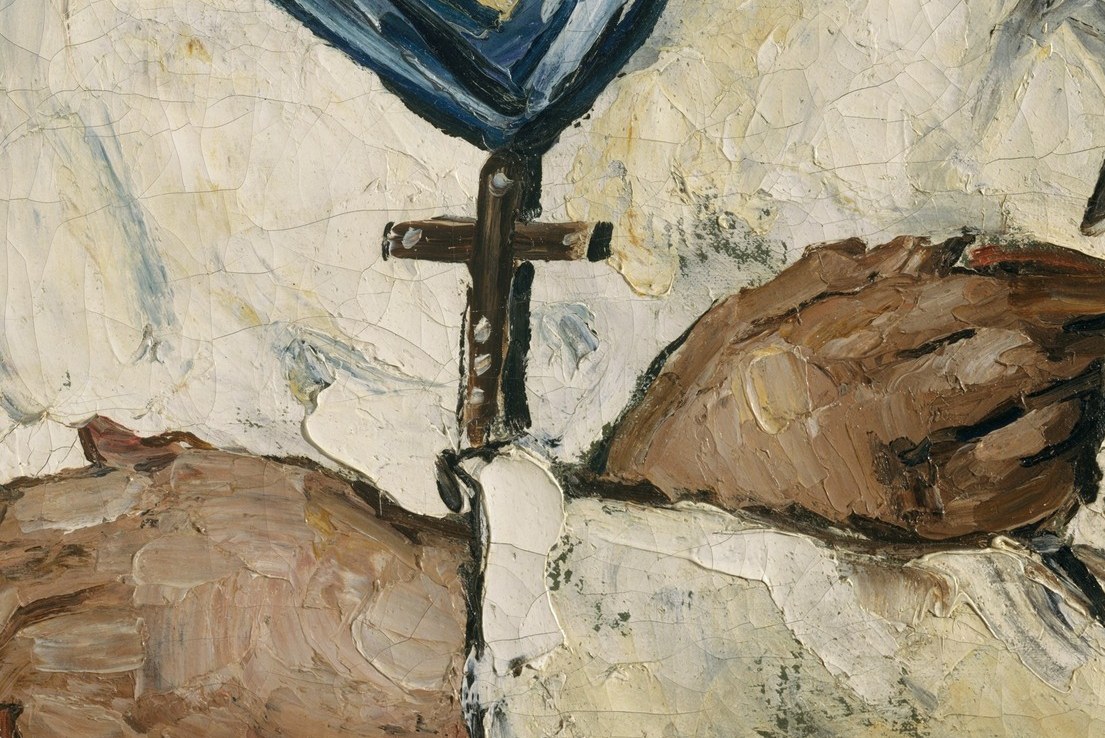
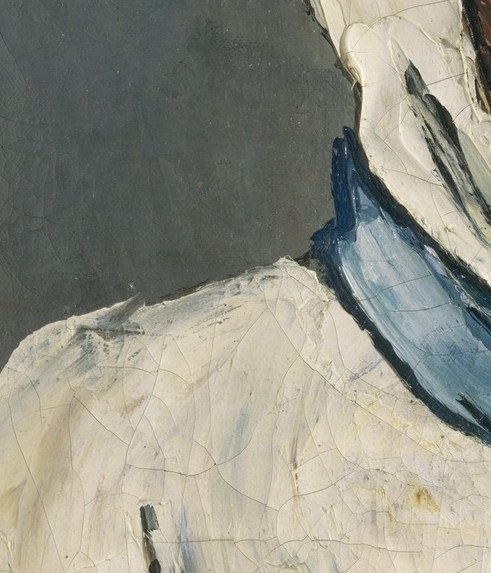
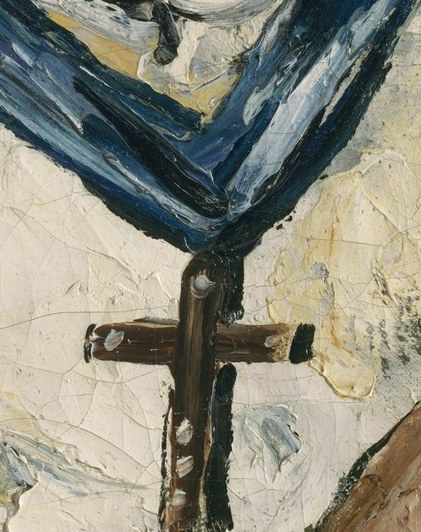
Observe the monk's furrowed brow and watchful eyes, which convey a sense of gravitas. Notice also the thick, textured brushstrokes, particularly on the hands and the billowing white cowl. These impasto layers demonstrate Cézanne's tactile approach to painting, emphasizing the physical presence of the figure.
Created during his formative years, this portrait shows Cézanne grappling with Romantic influences, before he developed the structured, geometric compositions that would define his later career and bridge the gap between Impressionism and Cubism. It stands as a testament to his foundational engagement with traditional portraiture.
What do you see in the monk's expression? It's a powerful reminder that every artist has a beginning.
Details
Transcript
This intense face was painted early in Cézanne's career. His dark, furrowed brow gives him a restless, watchful quality. Before his famous geometric style, Cézanne explored emotion. Look at the painter's thick, rough strokes on the hands. The heavy impasto on the cowl reveals his tactile approach. Even in this early work, his intensity is unmistakable.