The House of Cards by Chardin, Jean Siméon
Jean Siméon Chardin's "The House of Cards," painted around 1737, captures a tender, everyday moment of childhood absorption. One version of this painting sold for an impressive $4.4 million in 1999, a testament to Chardin's enduring appeal.
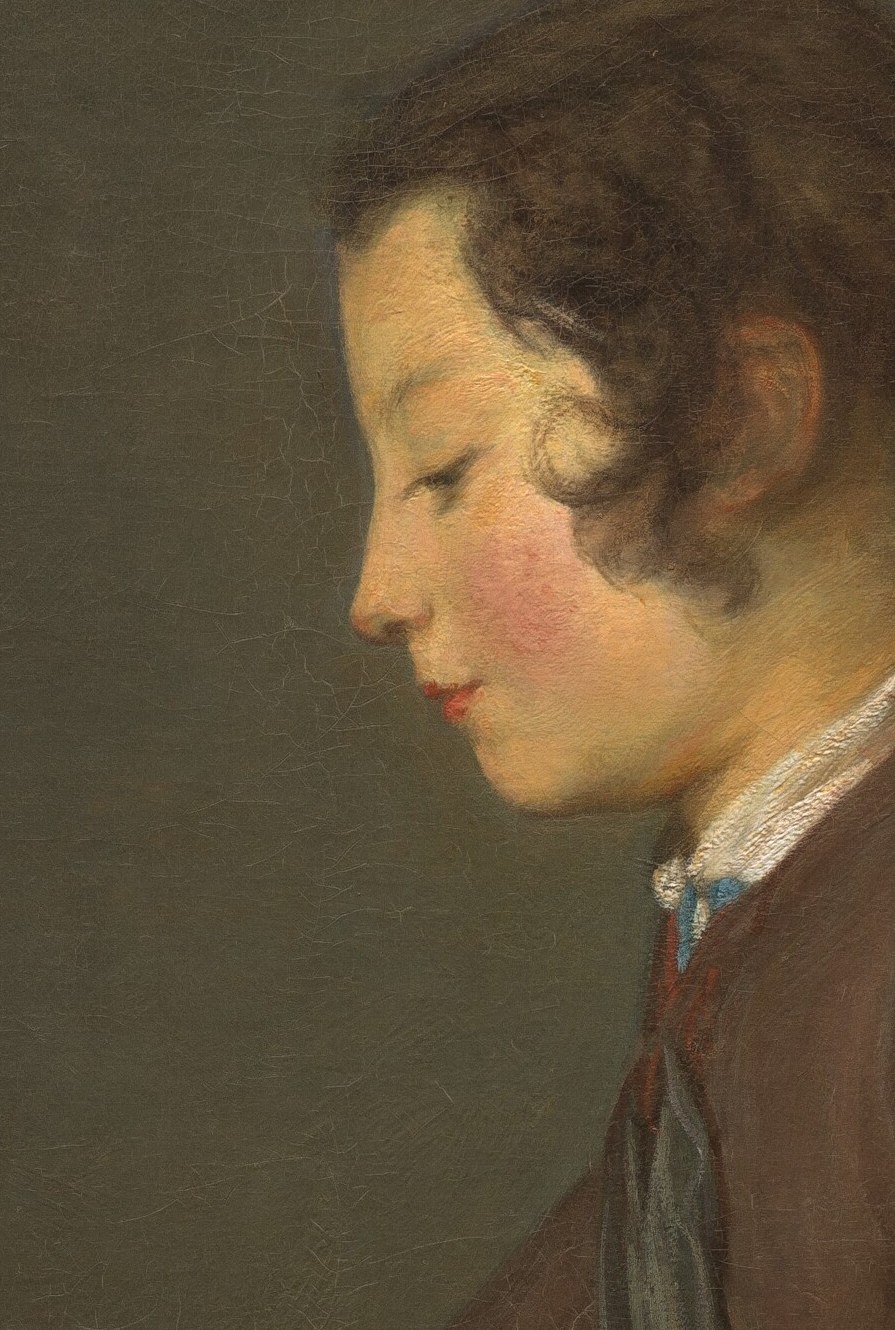
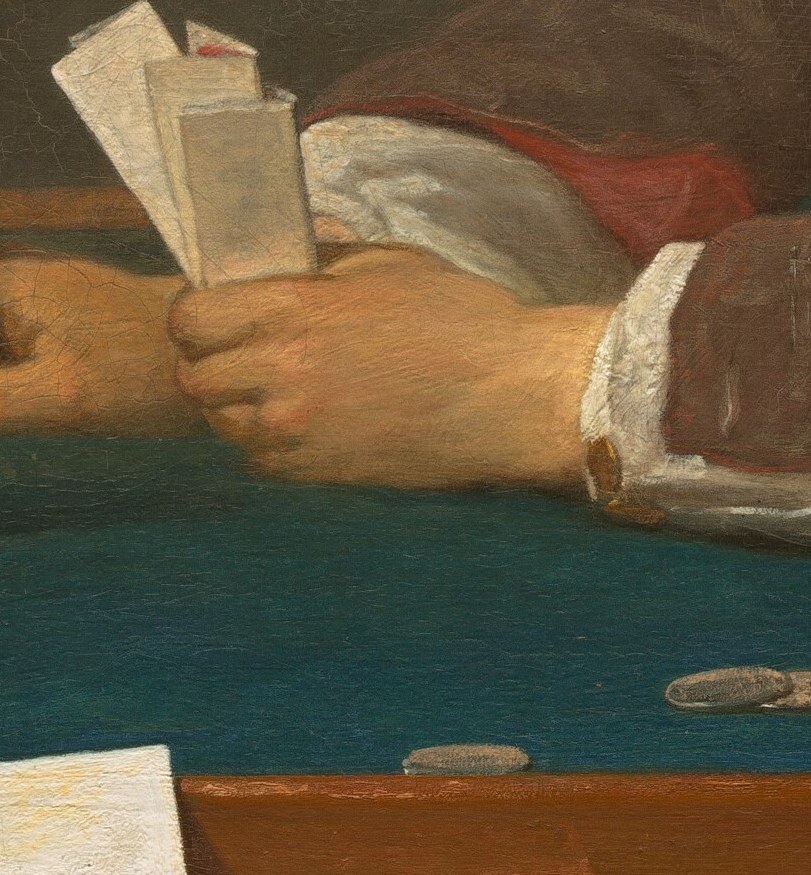
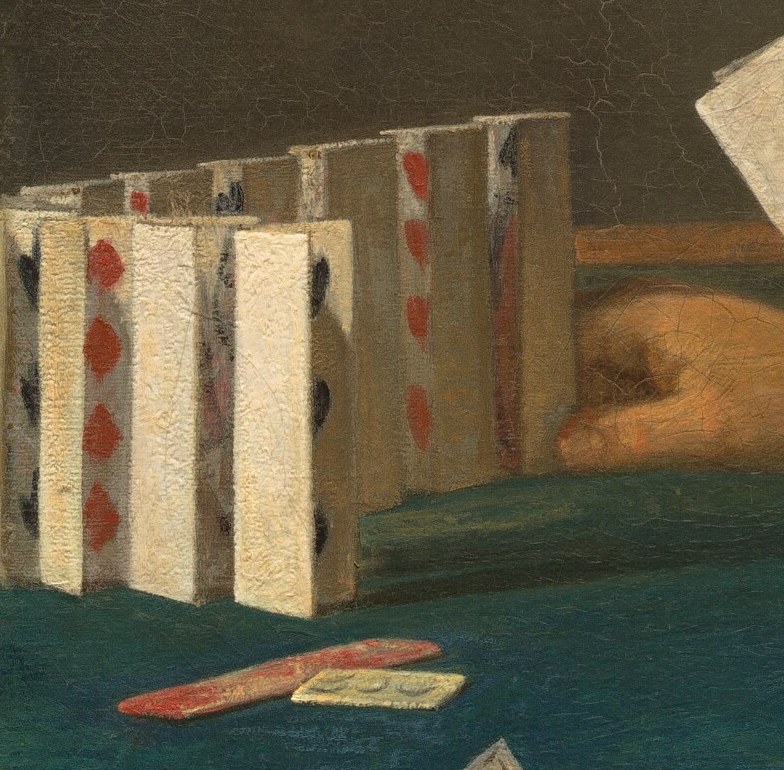
Look closely at the young boy's profile and hands, engrossed in the delicate act of stacking playing cards. Chardin masterfully uses light and shadow to highlight this quiet concentration, drawing the viewer into his intimate world. The scattered cards and coins on the green baize tablecloth subtly hint at themes of chance and the fleeting nature of childhood.
Chardin was renowned for elevating such domestic scenes and still lifes, making them subjects of profound observation. This particular version of "The House of Cards" is a highlight of the National Gallery of Art's collection.
What do you find most captivating about this moment of stillness?
Details
Transcript
This quiet scene of a boy playing seems simple. The boy's intense focus on his card house is captivating. These small, everyday moments made the painter famous. His use of light and shadow draws you into this world. In 1999, one version of this painting sold for $4.4 million. This particular one is in the National Gallery of Art.