Hearing by Peter Paul Rubens
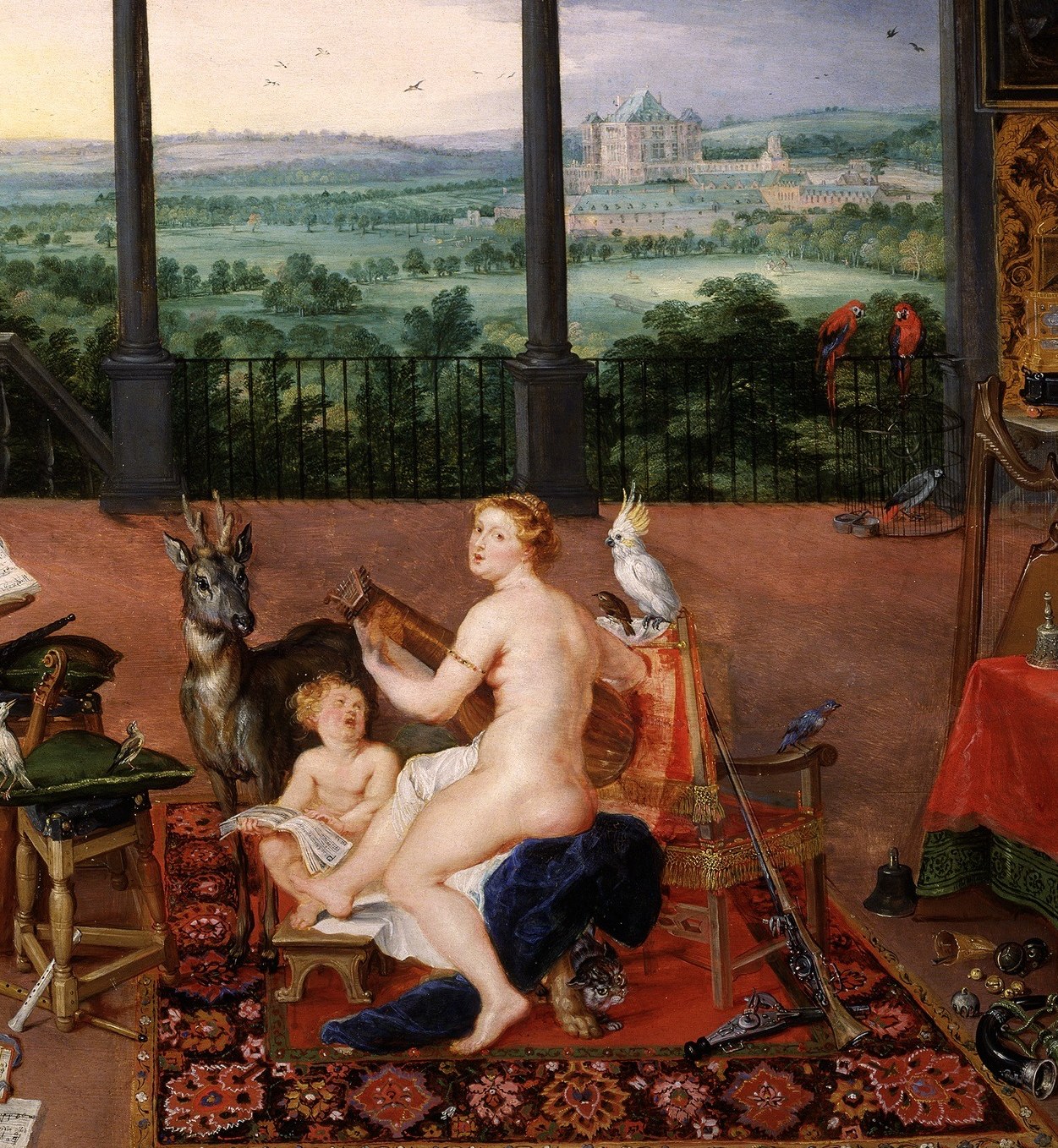
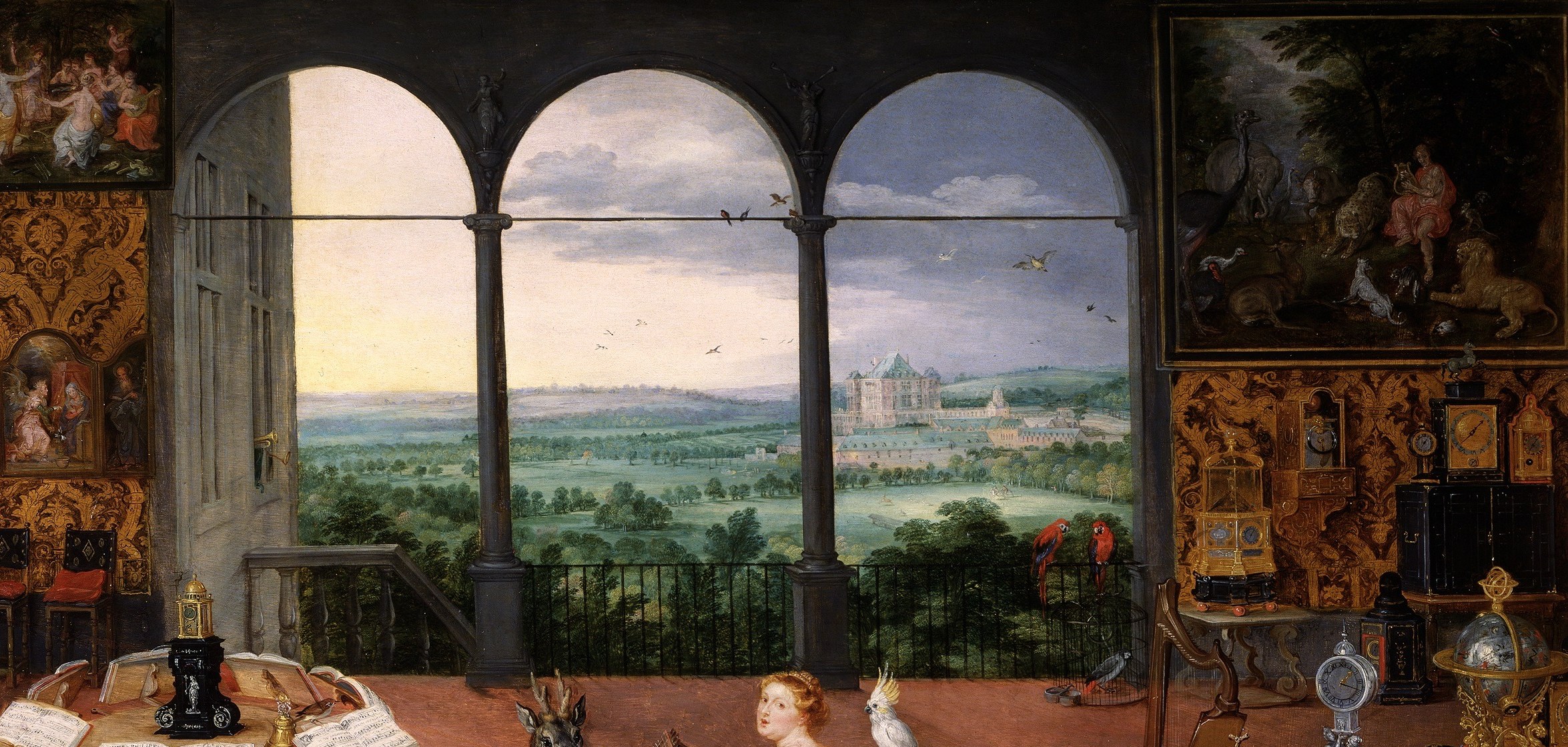
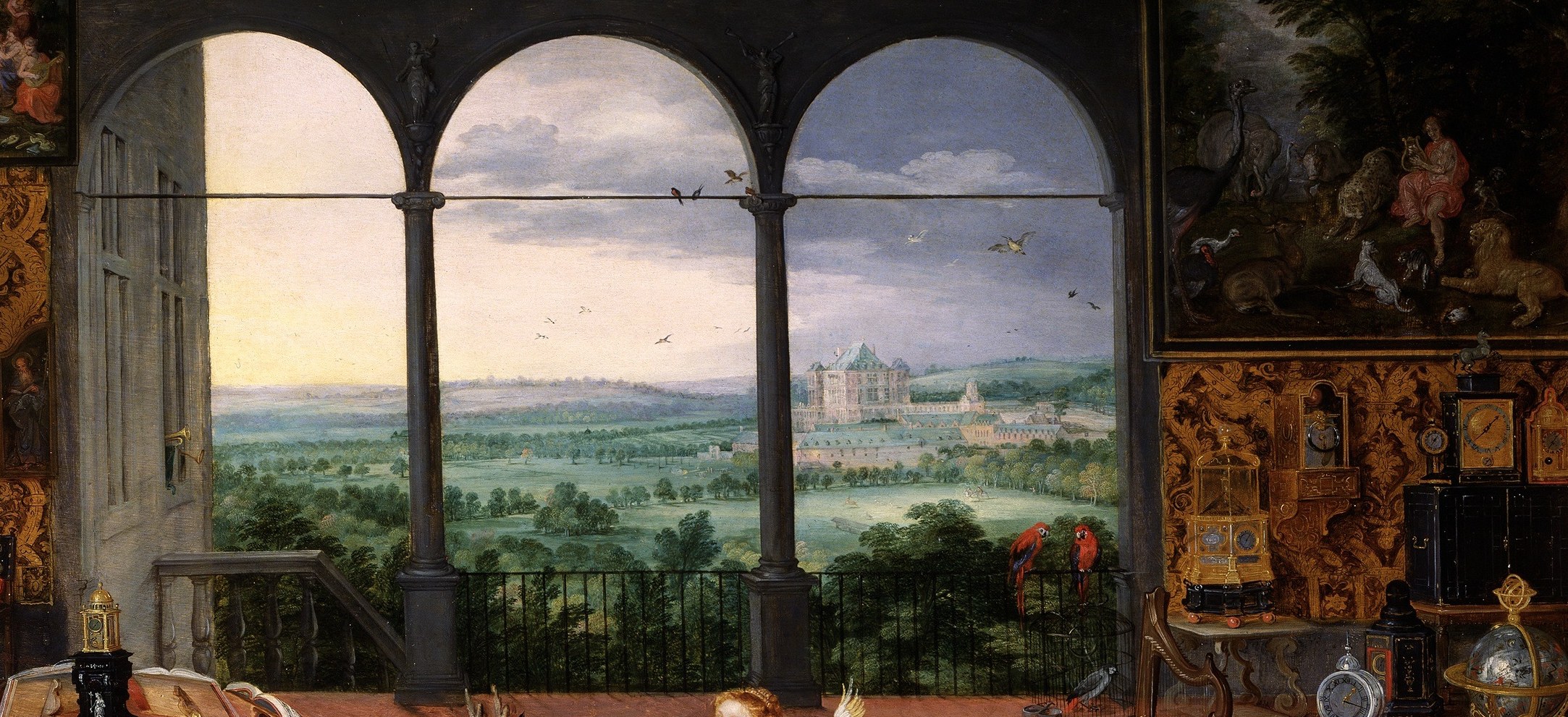
This is "Hearing," one of a five-painting series on the senses made in 1617 by two of Antwerp's most famous painters working together. Jan Brueghel the Elder painted the setting, the instruments, and the breathtaking landscape through the arches. Peter Paul Rubens painted the central allegorical figures, the woman at the harp and the child at her feet. It lives at the Prado in Madrid.
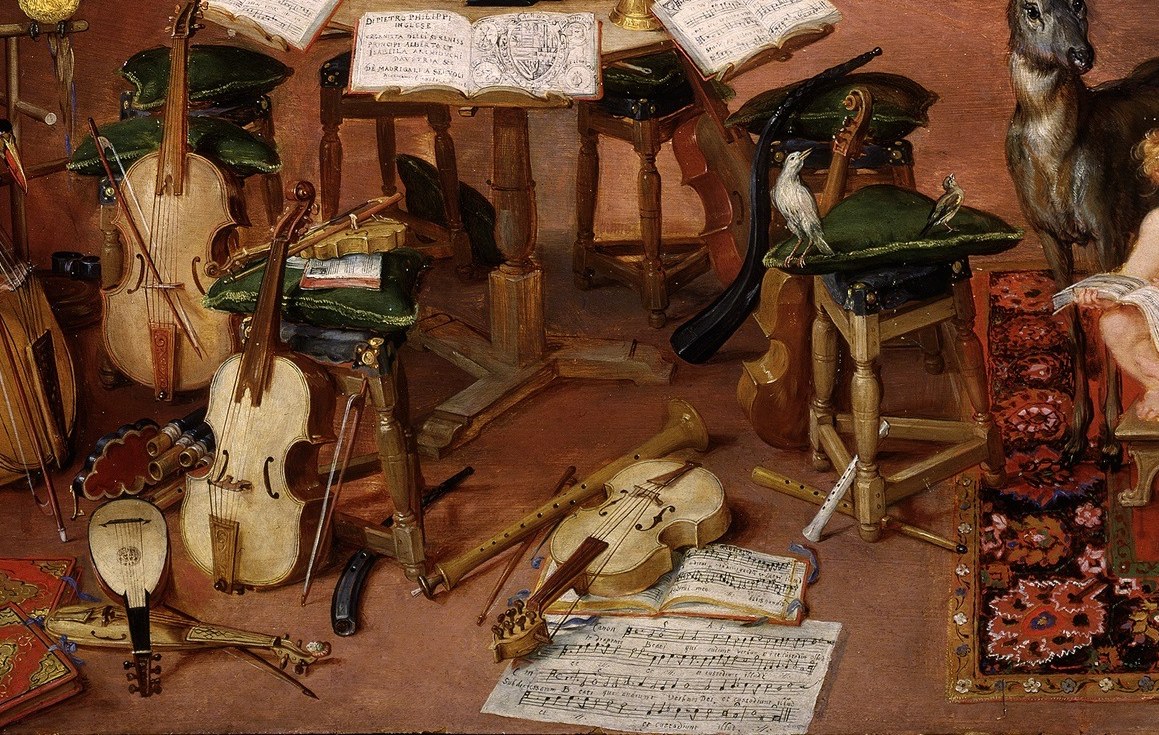
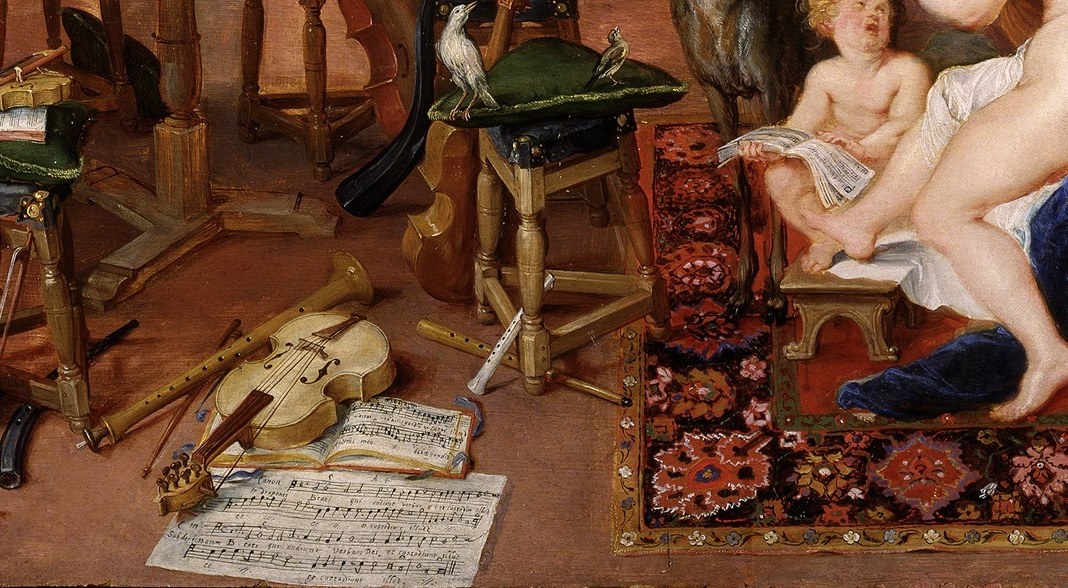
The painting is built to be overheard. The foreground is a dense catalogue of early baroque instruments: violins, lutes, recorders, a bass viol, a brass horn. But the real payoff is on the floor. The open sheet music contains real, legible notation. Musicologists have identified one book as open to a madrigal by the English Catholic composer Peter Philips, published in Antwerp in 1596.
That detail turns an allegory into a time capsule. The painting doesn't just represent the idea of hearing, it contains a specific sound, one that four centuries have not silenced.
What piece of music would you put in a painting about hearing?
Details
Transcript
Five senses, five paintings. This one is Hearing. A woman plays a small harp. A child listens at her feet. Instruments fill the room, a 17th-century catalogue of sound. Now look down, at the open pages on the floor. The notation is legible. Researchers identified the pieces. One book is open to a madrigal by Peter Philips, 1596. You can play this painting. The room still sounds.