Sophia (1464–1512) of Poland by Franz Wolfgang Rohrich
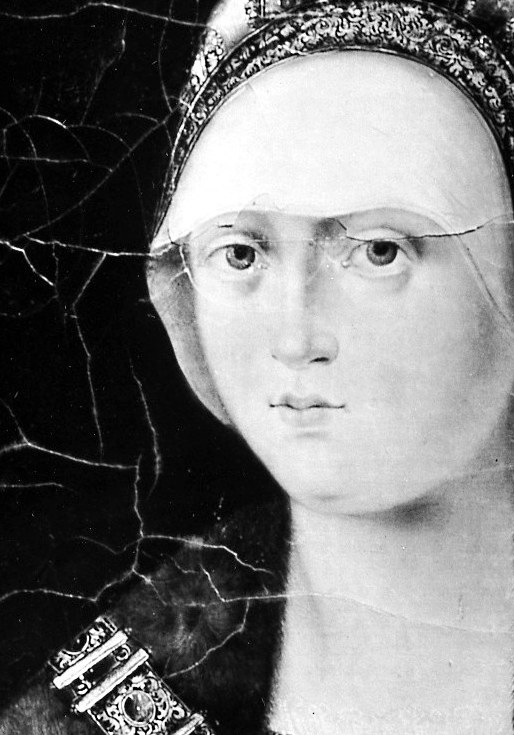
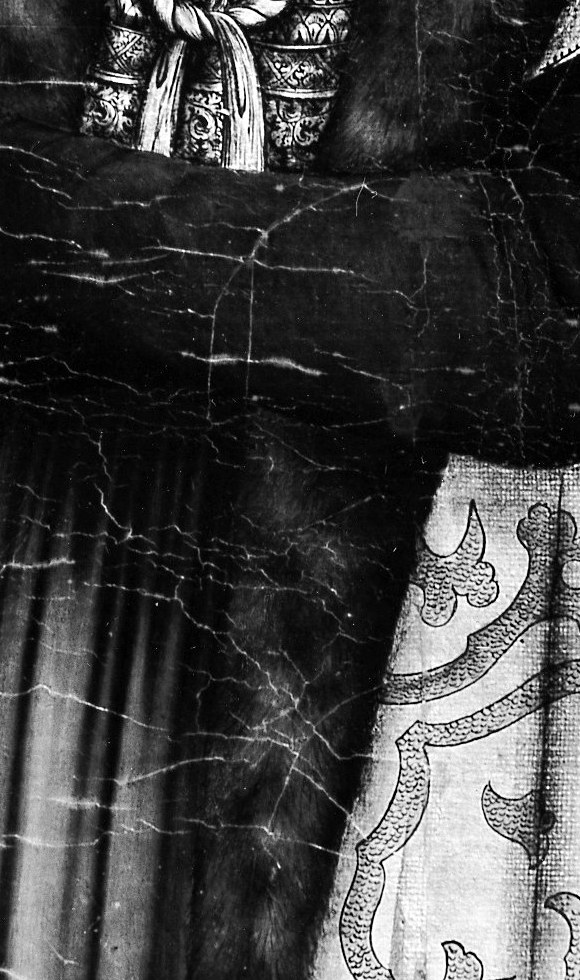
This striking oil painting, "Sophia (1464-1512) of Poland" by Franz Wolfgang Rohrich, was created around 1850, depicting a woman who had lived centuries before. It's a fascinating example of a historical portrait, where the artist interprets a figure from the past rather than painting from life.
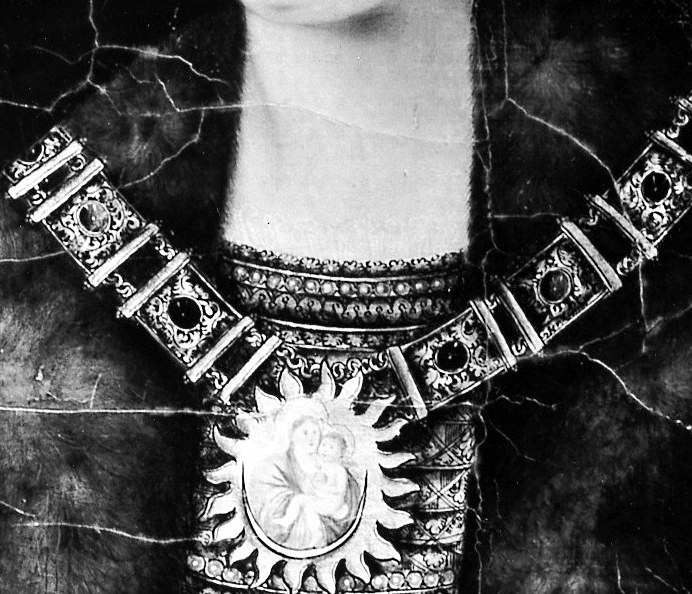
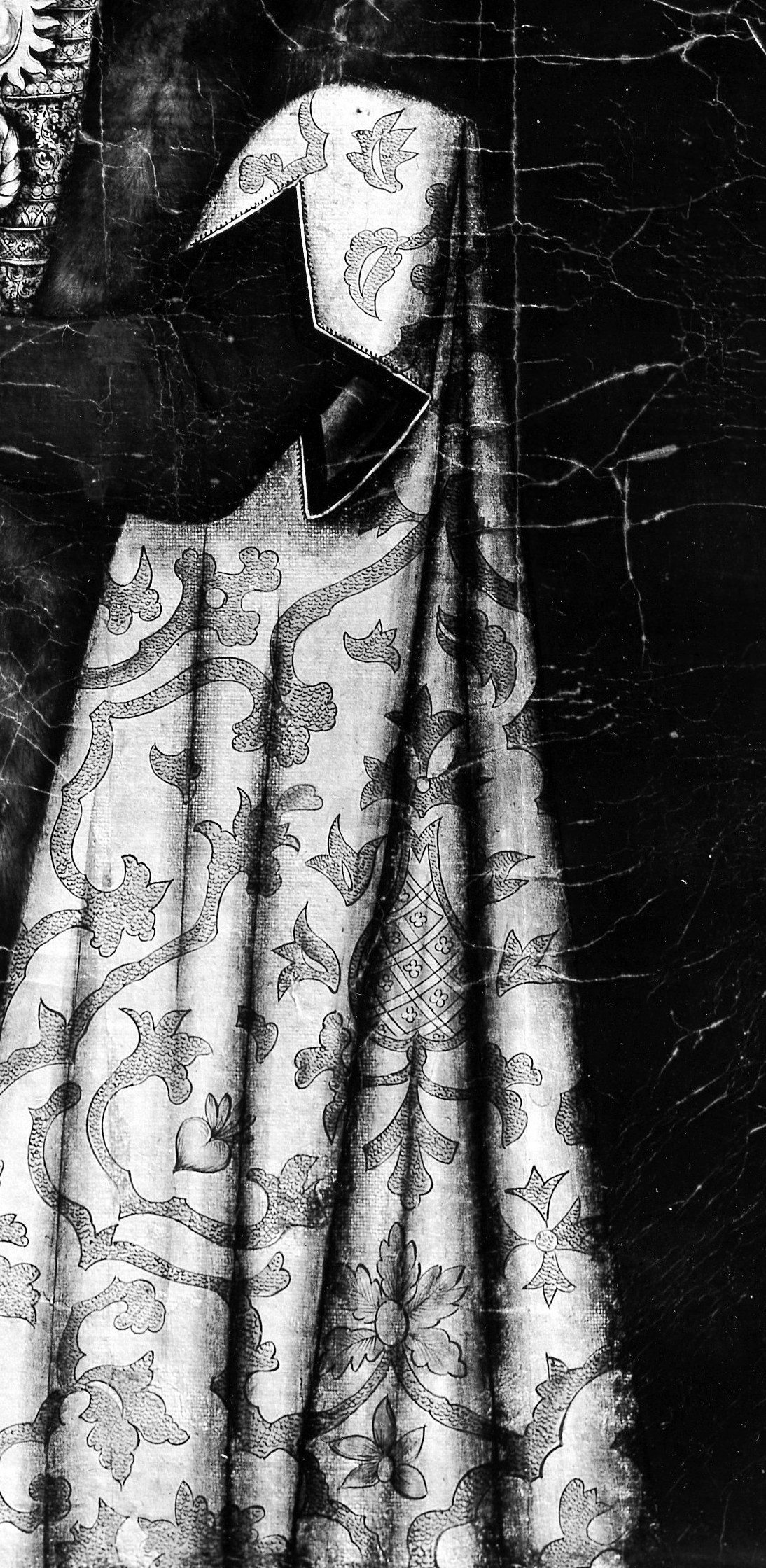
Sophia Jagiellon, Margravine of Brandenburg-Ansbach, is shown with a regal composure. Her elaborate necklace and jeweled headdress signify her status, while the rosary in her left hand subtly conveys her piety.
Rohrich, born in Nuremberg, would have drawn on existing historical records or earlier depictions to bring Sophia to life on canvas. This careful attention to historical detail makes the work a valuable visual record of how a 19th-century artist imagined a 15th-century noblewoman.
What details do you think the artist may have emphasized to convey her historical importance?
Details
Transcript
This portrait shows a noblewoman, Sophia of Poland. She lived from 1464 to 1512. But this painting was made centuries later, around 1850. The artist, Franz Wolfgang Rohrich, was born in Nuremberg. He relied on historical accounts or earlier portraits. Look at the rosary in her left hand, a symbol of piety. Her elaborate necklace also speaks to her high rank.