William M. Chase, N. A. by John Singer Sargent
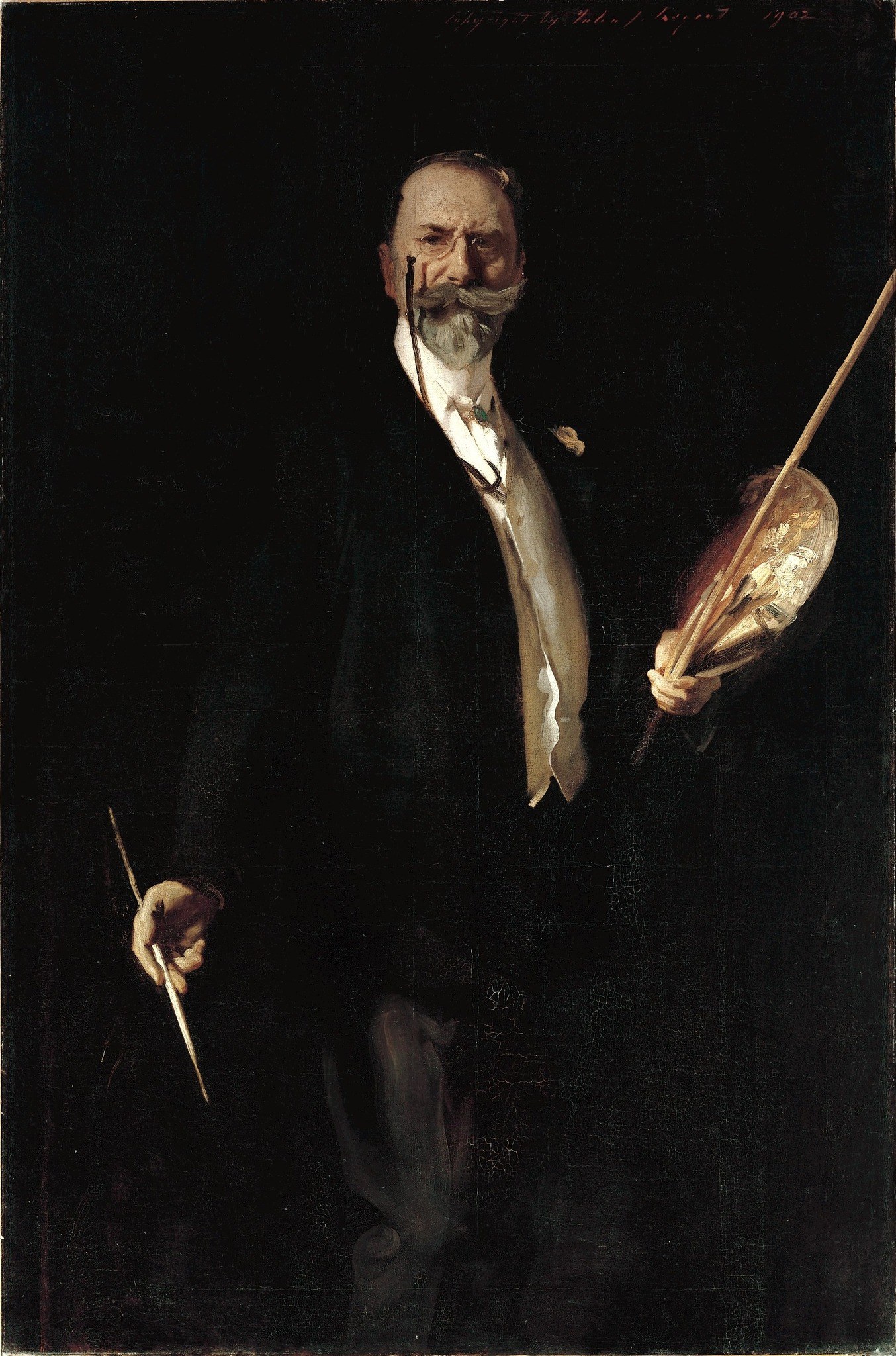
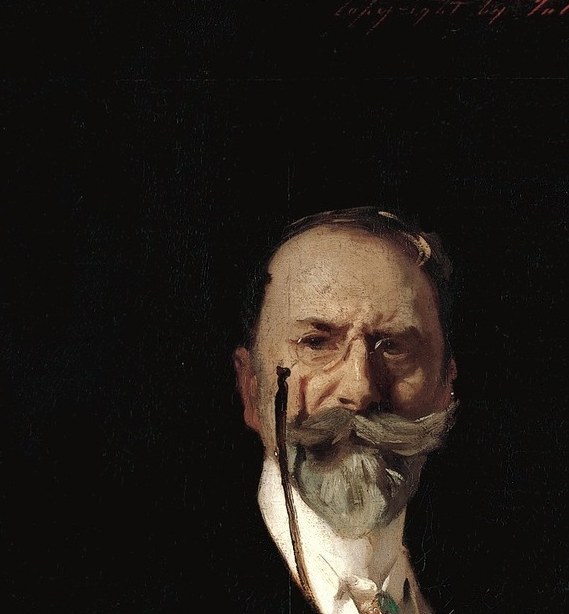
John Singer Sargent painted this portrait of his fellow American artist William Merritt Chase in 1902, not for a commission from Chase himself, but at the request of Chase's own students. The painting hangs in the Metropolitan Museum of Art, a gift from those students in 1905.
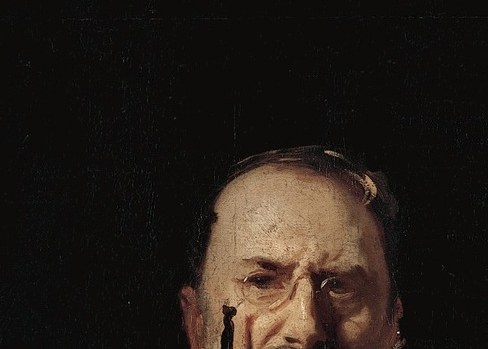
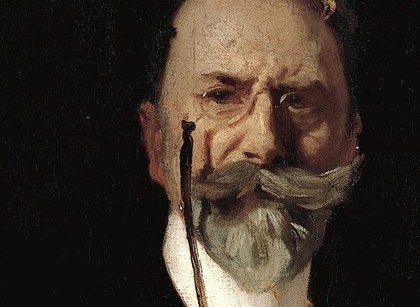
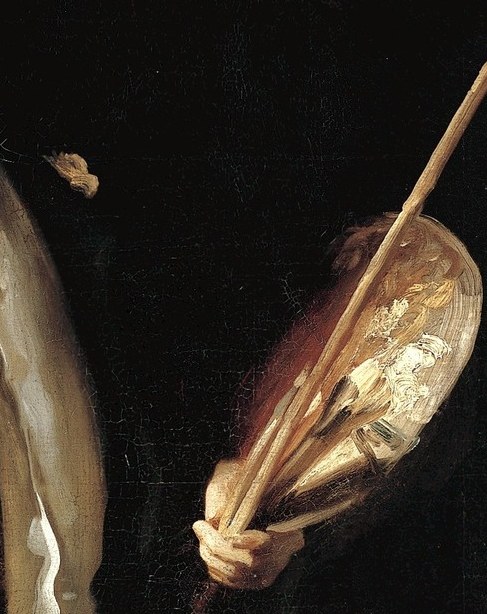
Sargent dissolves everything into darkness except the essentials: a white collar, a palette glinting in shadow, and a face that confronts the viewer without apology. Chase's trademark drooping mustache is rendered in a handful of loose, almost reckless strokes. His eyes do most of the work, one painter assessing another, or perhaps assessing us.
The circumstances were unusual. A group of young painters pooled their resources to have the era's most celebrated portraitist capture their mentor. Sargent, then in his mid-forties, had already painted presidents, industrialists, and the scandalous Madame X. Accepting a commission from students to paint a fellow artist signaled a different kind of project, a portrait made inside the tribe, from one working painter to another.
Chase was sixty-two when he sat for this, a decade older than Sargent. He had built the Chase School of Art and taught a generation of American painters. The initials "N. A." after his name, included in the painting's formal title, mark his election as a National Academician, a status his students wanted permanently recorded. They succeeded.
Details
Transcript
In 1902, a group of young painters decided their teacher deserved a portrait. They pooled their money and commissioned the most famous portraitist alive. Sargent chose an almost complete darkness. Out of it, a face rises, appraising, direct, unafraid. His mustache, his most recognizable trait, is built with just three or four strokes. One painter peers at another. And at us. The stare is the whole story. The students gave the portrait to the Metropolitan Museum three years later.