Portrait of a Lady by British 18th Century
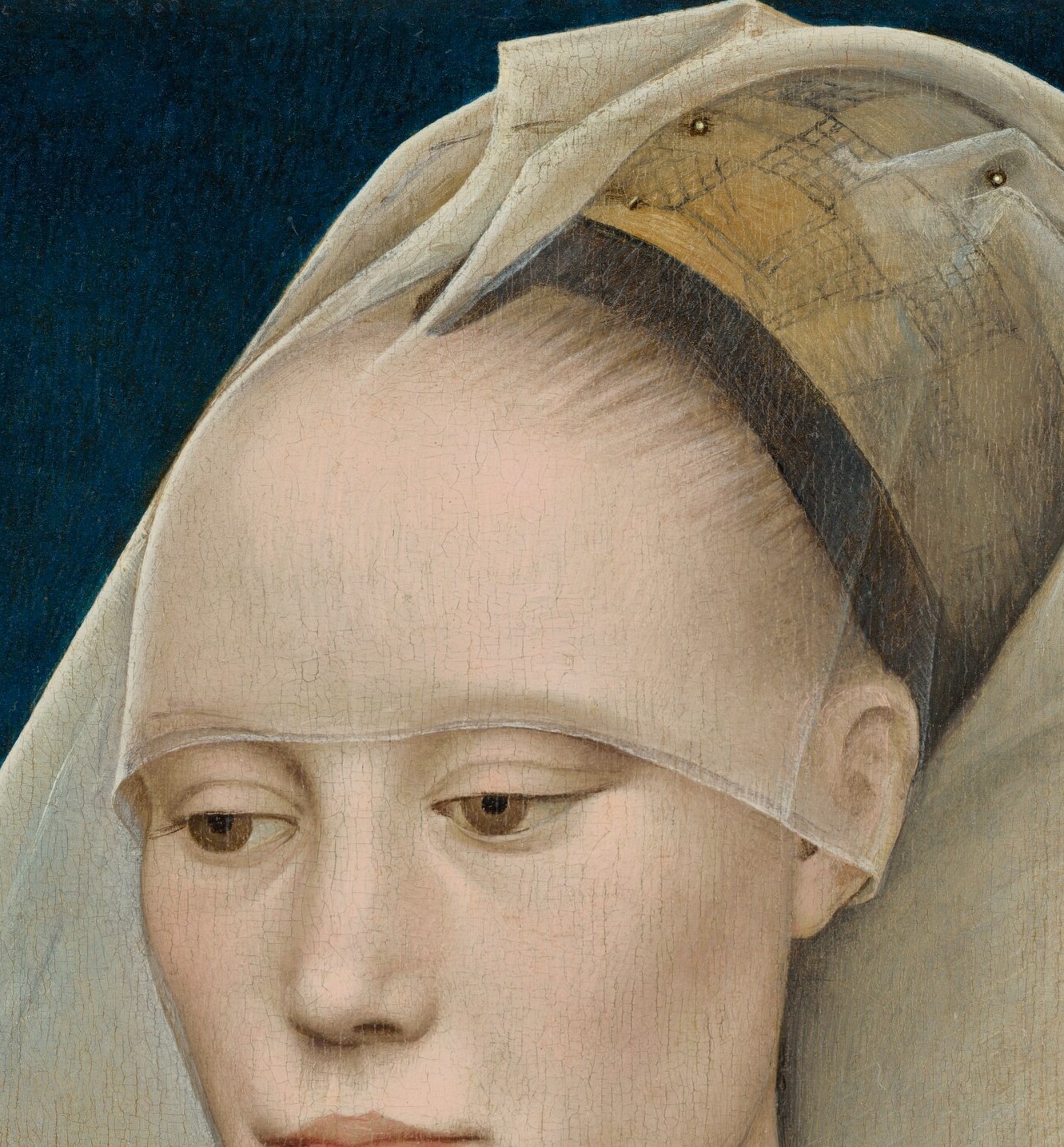
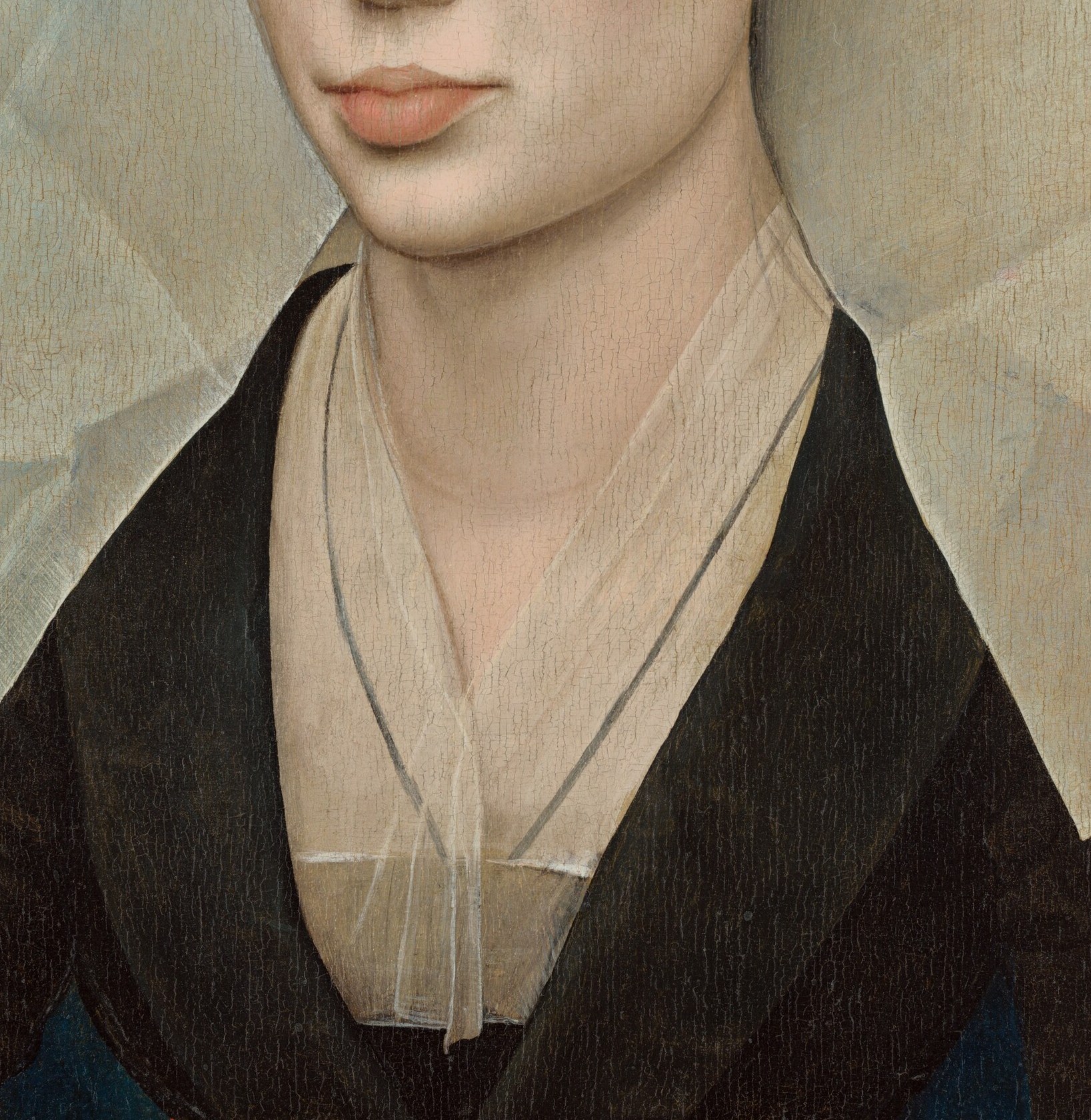
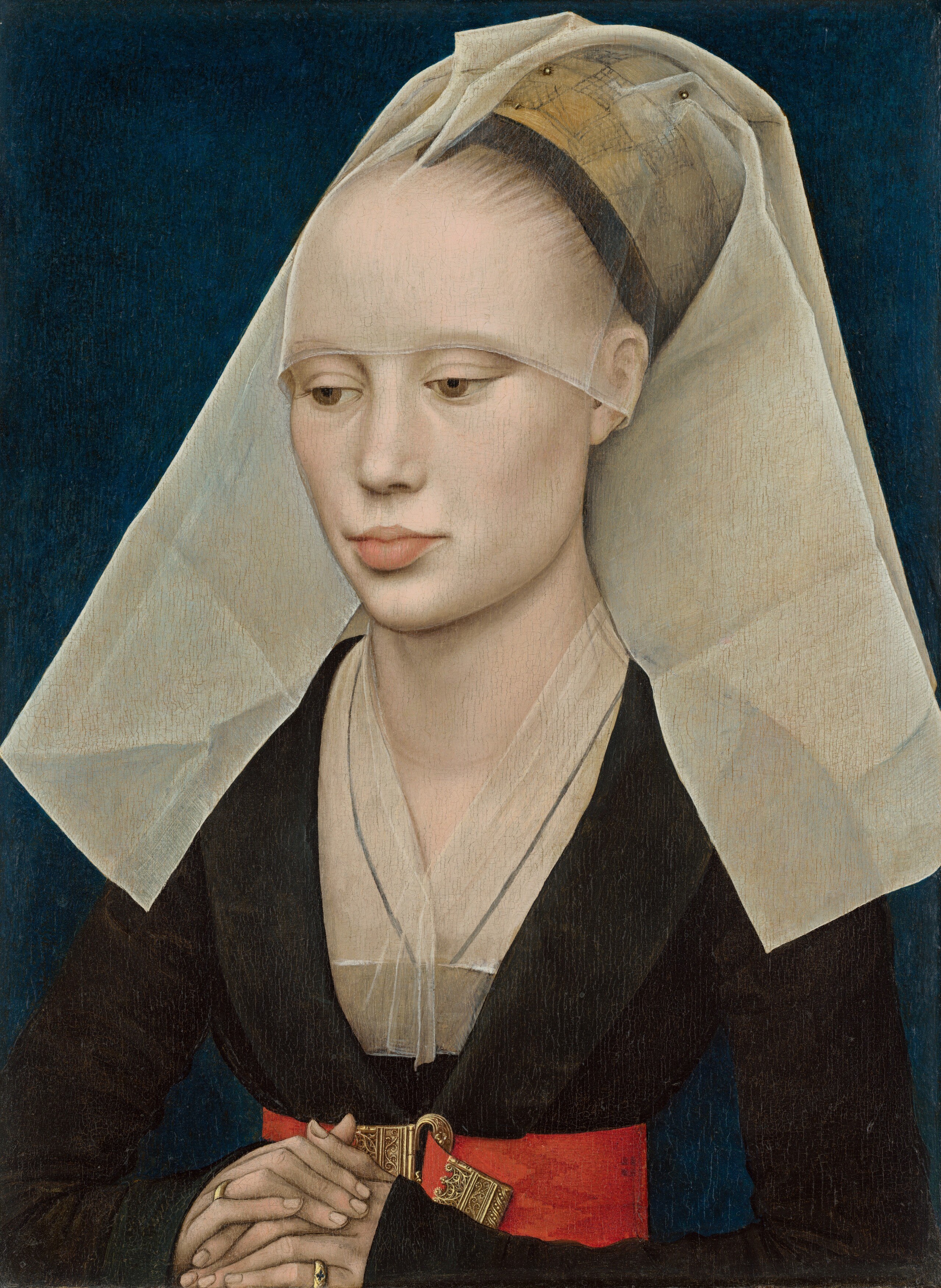
The "Portrait of a Lady," painted by an unknown British artist between 1730 and 1750, is a study in refined composure. Held at a prominent museum, this oil on canvas captures its subject with quiet dignity and a serene expression.
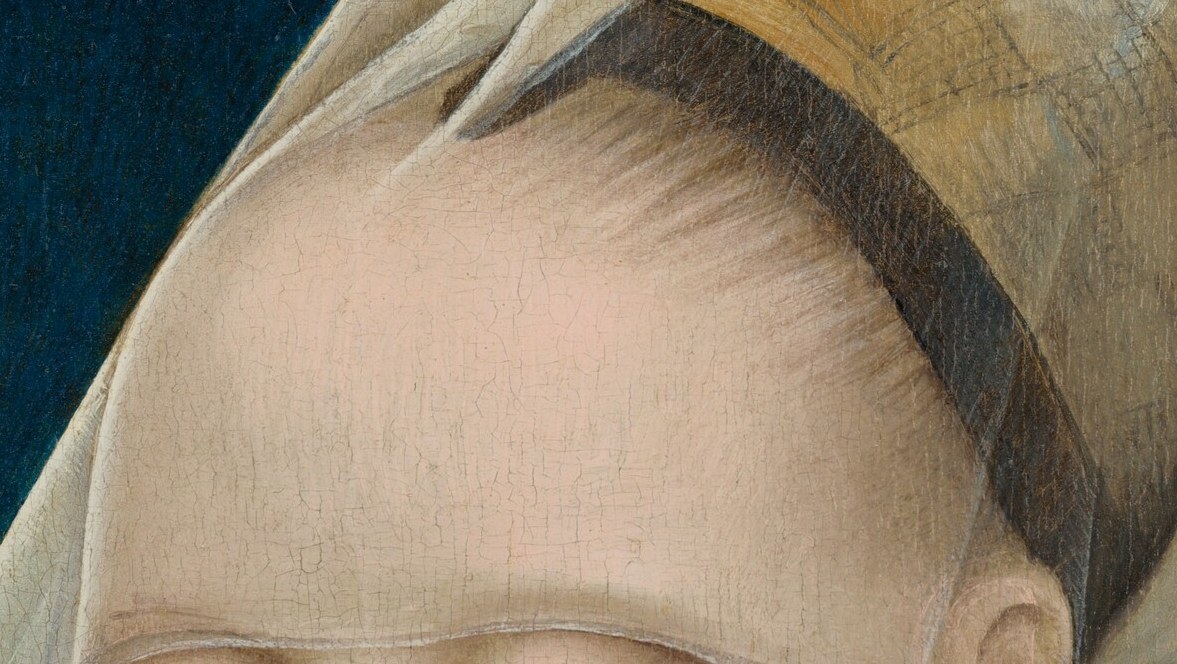
Observe her calm, earnest face and the delicate details of her lace collar and pearl earring, all rendered with a smooth, polished finish. The artist's precise method involved applying multiple thin, translucent layers of oil paint, known as glazing, to create subtle transitions and depth.
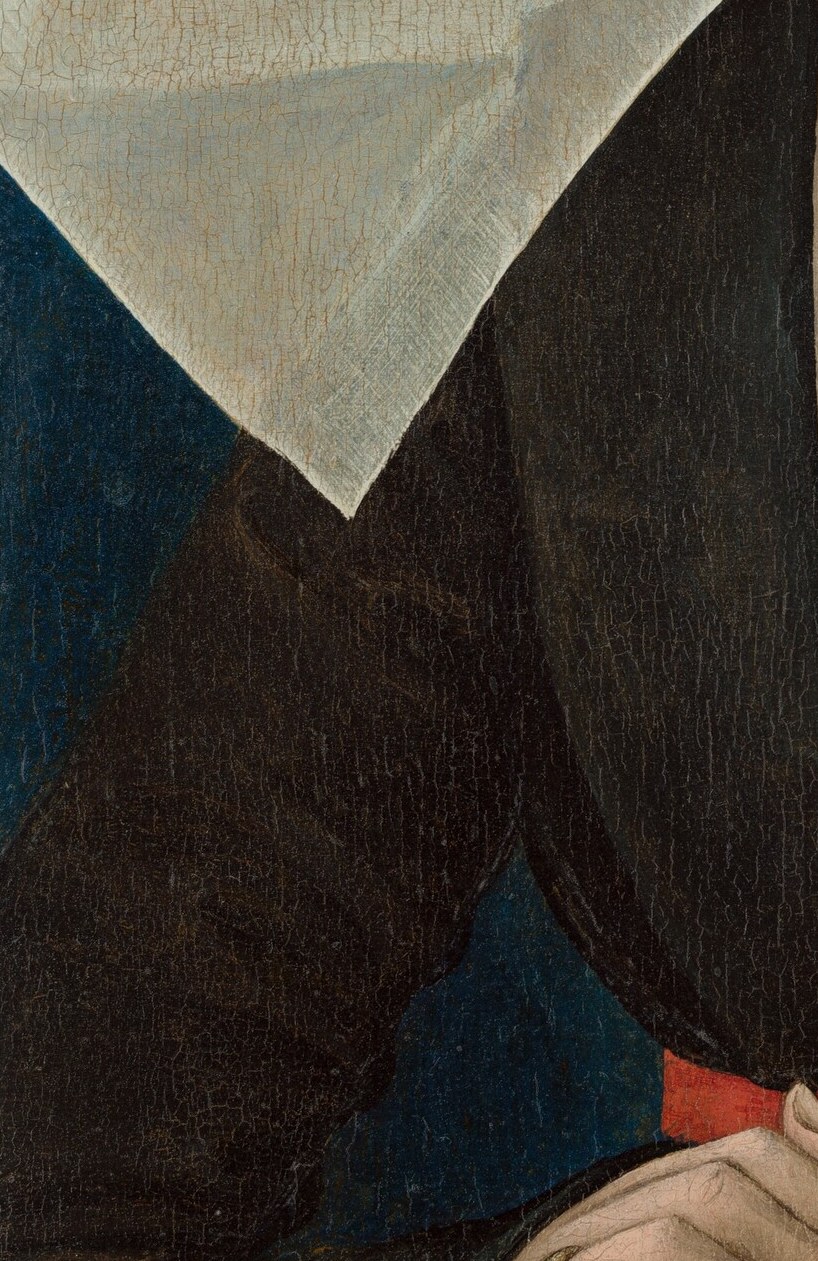
Interestingly, the glazes sometimes conceal earlier compositional choices. A faint flash of blue at the painting's left margin, near the subject's arm, offers a tantalizing hint. This subtle color suggests a hidden underpainting or a previously envisioned design, peeking through the layers of time and technique. It's a reminder that paintings often hold secrets just beneath their surfaces.
What other hidden details might lie beneath the surface of works we see every day?
Details
Transcript
This portrait of a lady has a quiet dignity. Her steady gaze and composed mouth invite close looking. The painter used thin layers of glaze for subtle shifts in tone. These glazes can sometimes hide earlier compositions. At the very edge, a trace of blue hints at something more. This glimpse of color suggests a different underpainting.