Possibly Margaret Robins by American 18th Century
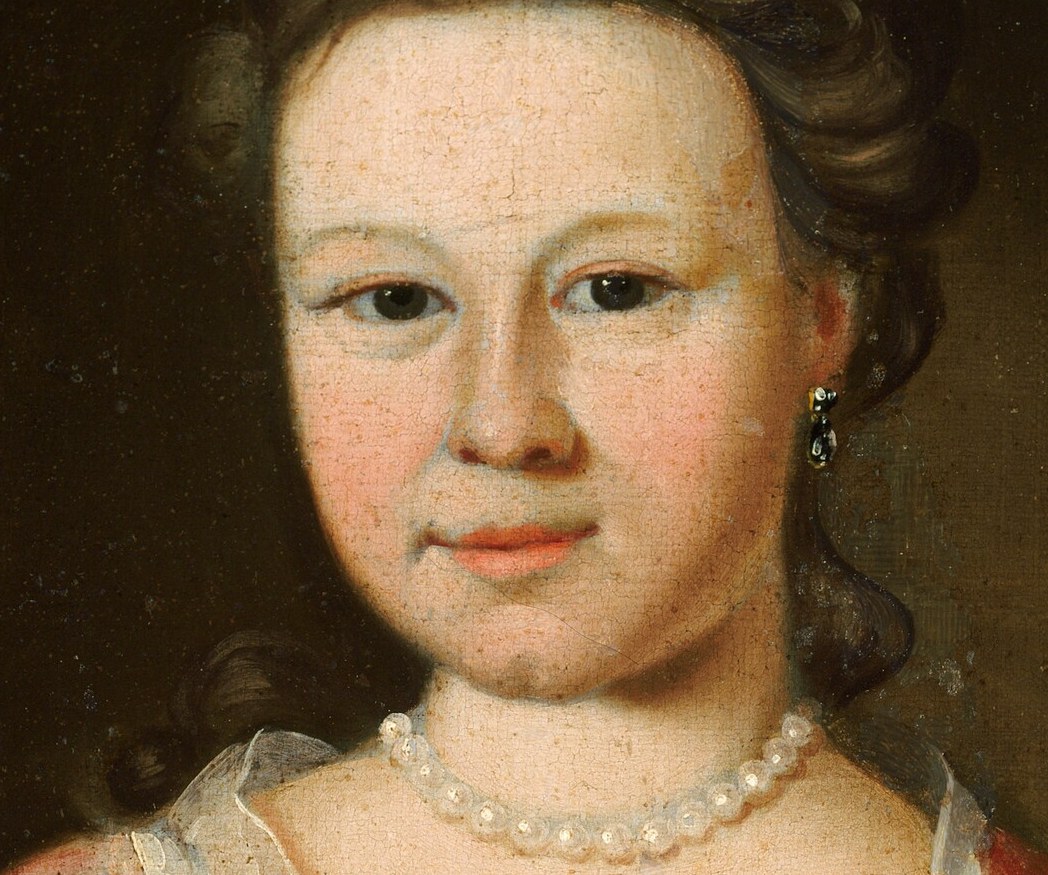
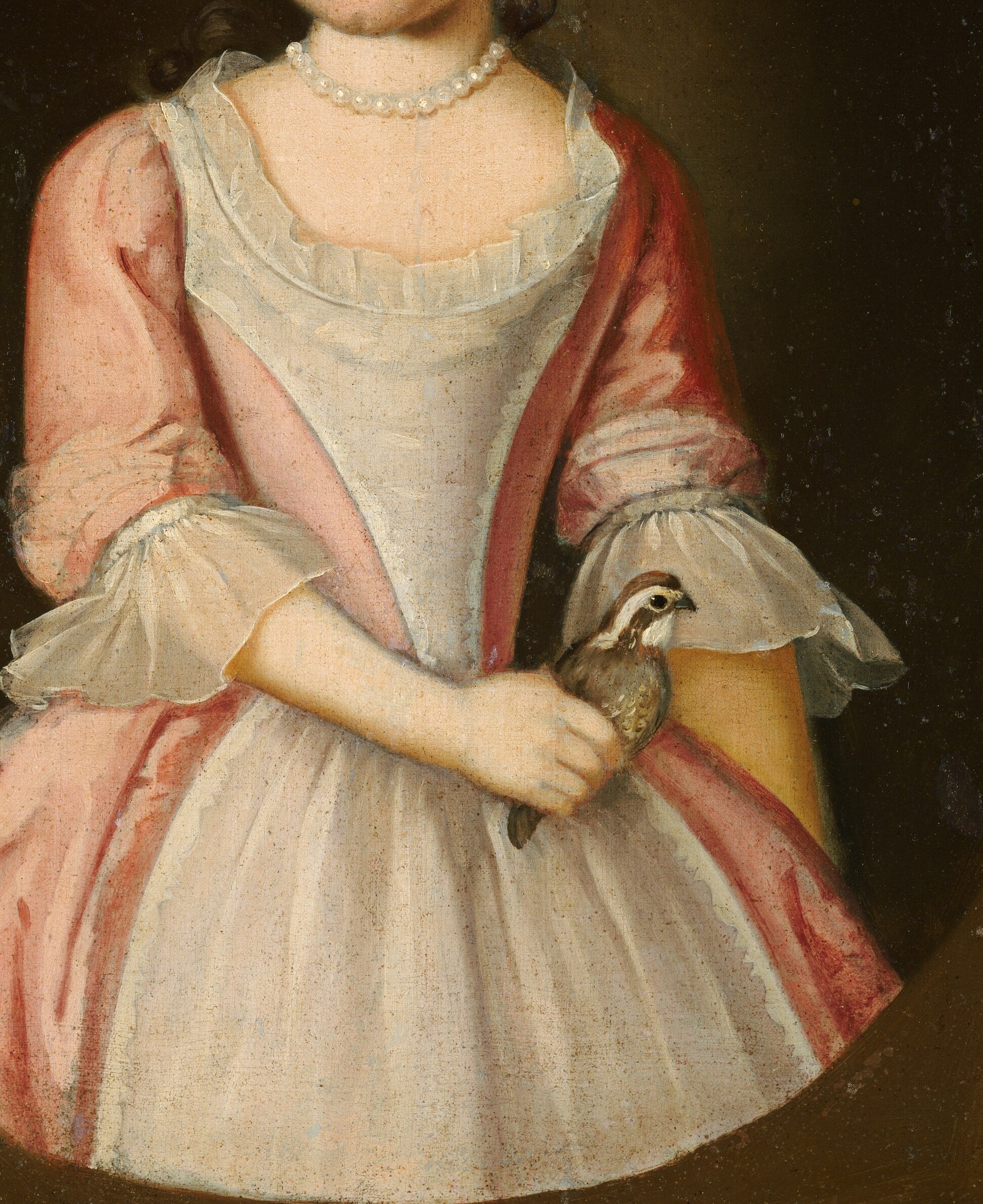
This captivating oil on canvas portrait, 'Possibly Margaret Robins,' dates to around 1745 and is by an unknown American 18th-century artist. It's a testament to the skill of painters before photography, who had to create illusions of reality solely with paint.
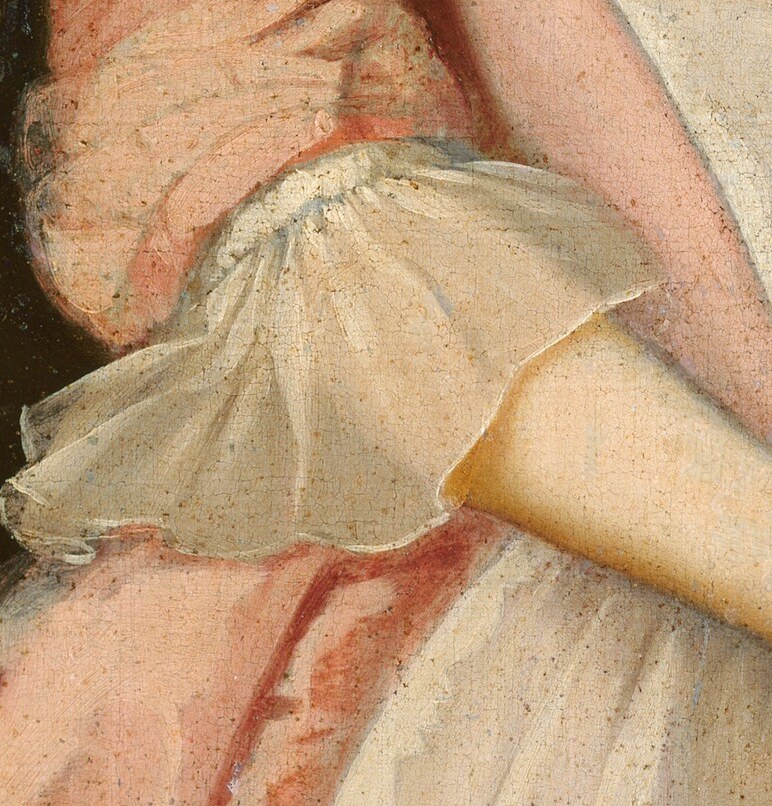
Notice the incredible detail in the young woman's pink and white dress. The artist's mastery is particularly evident in the delicate, ruffled fabric of her white cuffs and collar.
To achieve this effect, the painter used a technique of layering thin, translucent paint. This allowed them to subtly show what lies beneath the sheer material, creating an astonishing illusion of transparency and making the fabric appear truly delicate and lifelike.
This work, held in a museum, beautifully showcases Baroque aesthetics with its use of diffused lighting and contrasting colors to bring the subject forward. It reminds us of the ingenuity required to capture such fine details with only brush and pigment.
Details
Transcript
This painter lived in the mid-1700s, before photography. They had to invent every illusion of reality with paint. Look at the fine, ruffled fabric of her dress. See the sheer material of her white cuffs and collar. The artist layered thin, translucent paint to show what lies beneath. It’s a trick of light and shade, making the fabric appear transparent.