Three Regentesses and the ‘House Mother’ of the Amsterdam Lepers’ Asylum by Werner van den Valckert
Werner van den Valckert's 1624 painting, "Three Regentesses and the ‘House Mother’ of the Amsterdam Lepers’ Asylum," housed at the Rijksmuseum, offers a glimpse into the dedicated women who managed charitable institutions in the Dutch Golden Age.
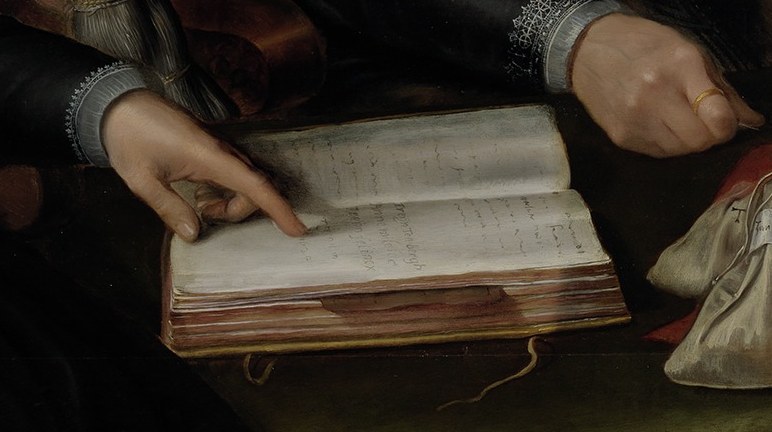
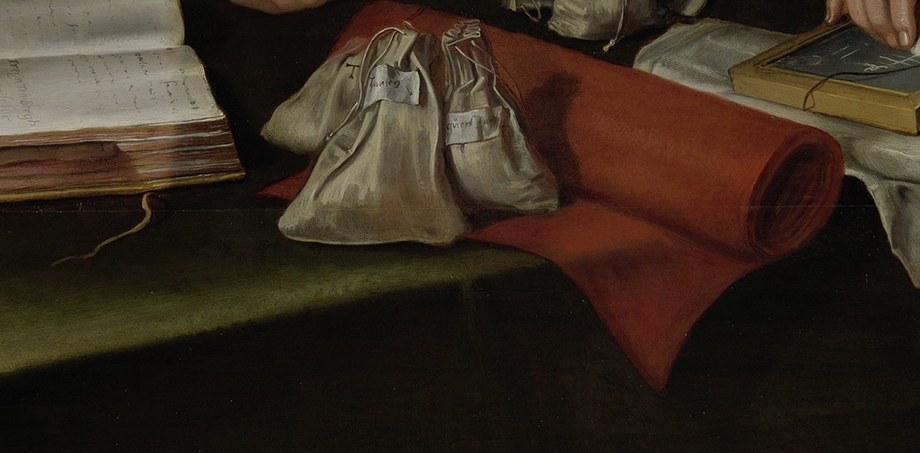
Look closely at the table where the women are gathered. The open ledger, the inkwell and quill, and the money bags are not merely props; they are powerful symbols. They represent the administrative, financial, and moral responsibilities these regentesses and the house mother bore.
This group portrait was likely commissioned to commemorate their civic roles, highlighting their sobriety and commitment. The meticulous detail, typical of Dutch portraiture, underscores the dignity and solemnity of their philanthropic purpose in a time when such institutions were vital.
The painting is a quiet testament to the unseen labor that kept communities functioning. What other details in the scene speak to you about their roles?
Details
Transcript
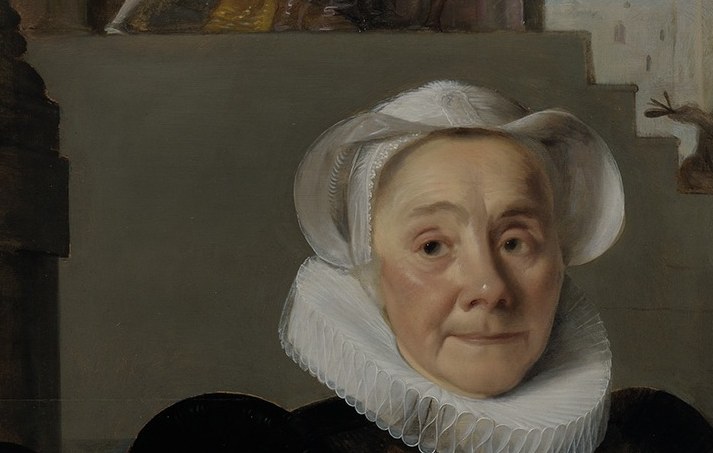
These women managed Amsterdam's Lepers' Asylum in 1624. Their serious expressions convey the gravity of their philanthropic work. The open ledger book symbolizes their administrative duties. She points to it, indicating active management and oversight. Money bags show the financial resources managed by the asylum. Together, these objects reveal their collective responsibility.