Ellen Peabody Endicott (Mrs. William Crowninshield Endicott) by Sargent, John Singer
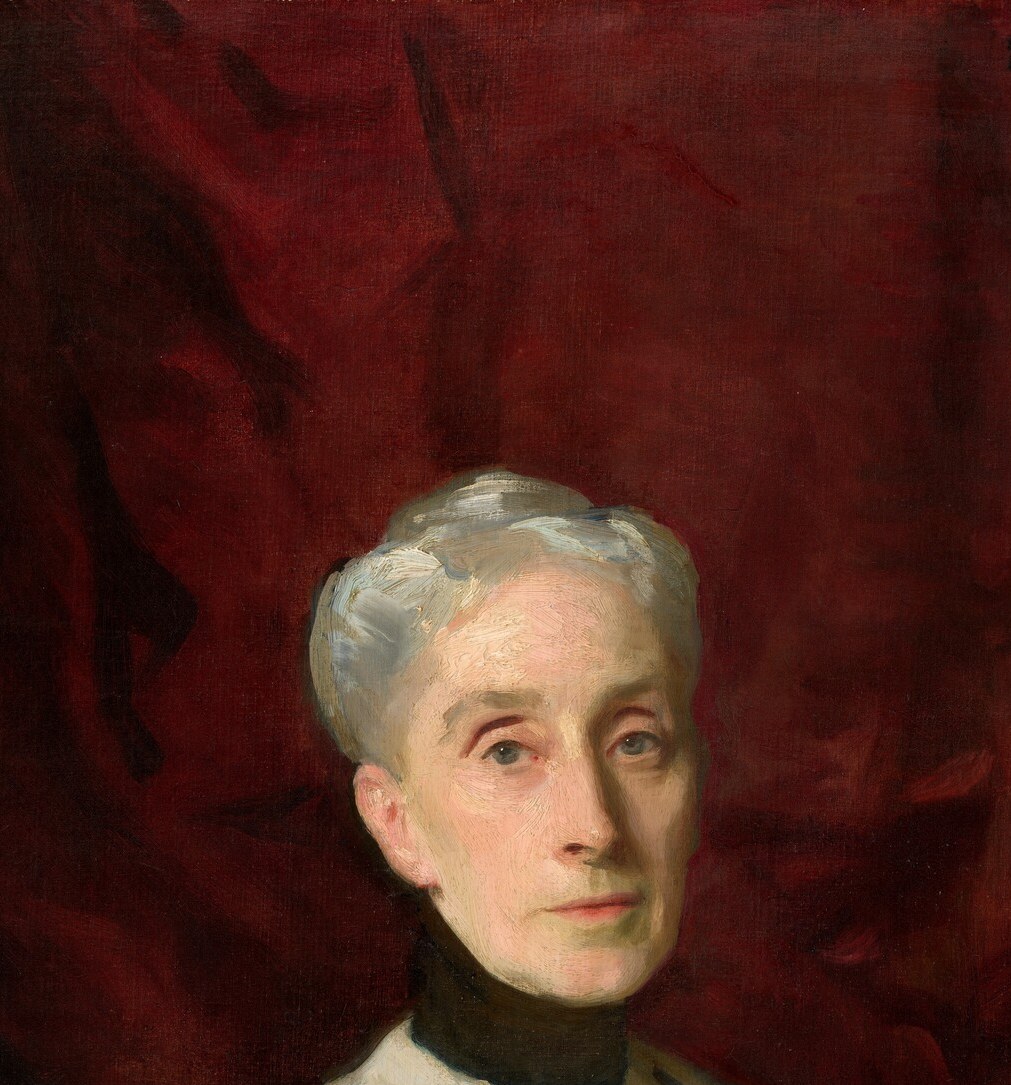
Ellen Peabody Endicott sat for John Singer Sargent in 1901, at the height of her position as a Boston Brahmin matriarch and the wife of a cabinet secretary. She was 65. The portrait hangs at the National Gallery of Art, one of the artist's most quietly commanding late society portraits.
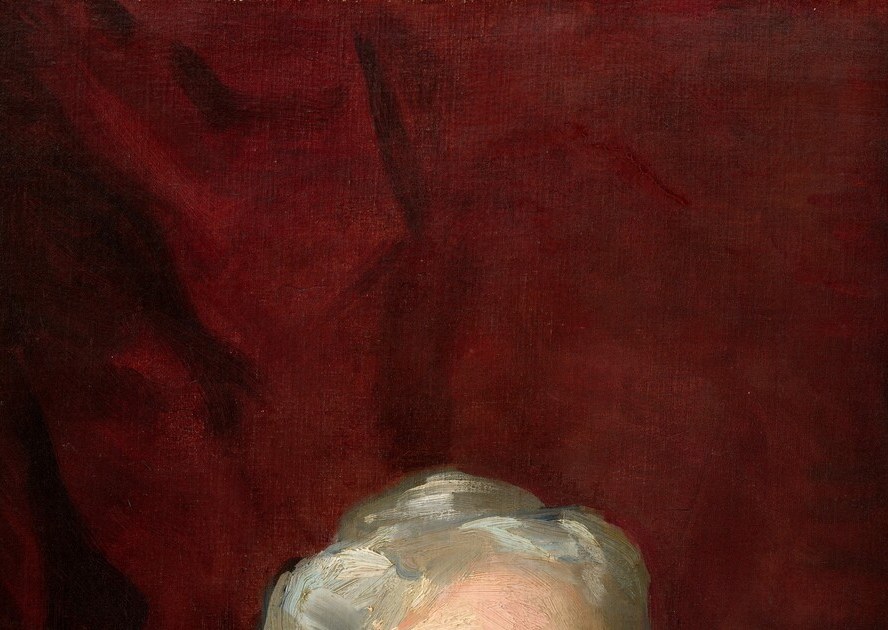
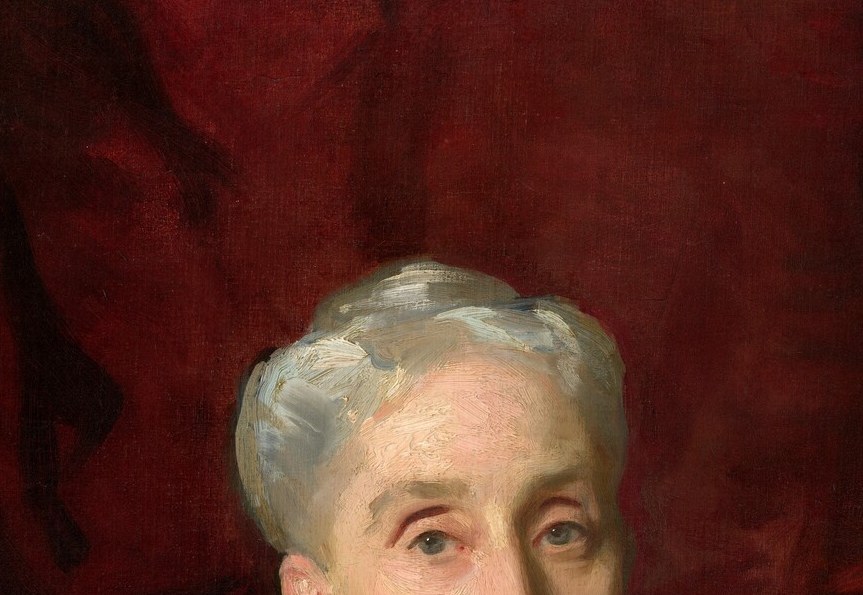
Look at the eyes first. Sargent gives her a level, unyielding gaze that neither invites nor deflects. It is the look of someone who has been looked at her whole life and has decided exactly how to be seen. The white hair reads as an almost luminous frame, and the black dress does double work: it signals widowhood but refuses mourning, no veil, no downward glance.
Within a few years of this sitting, the Endicott family fortune was gutted by the financial panic of the early 1900s. The world she occupied when Sargent painted her largely dissolved. And yet the portrait records none of what was coming. It records only what she chose to present: composure, authority, and a face that does not perform feeling for anyone.
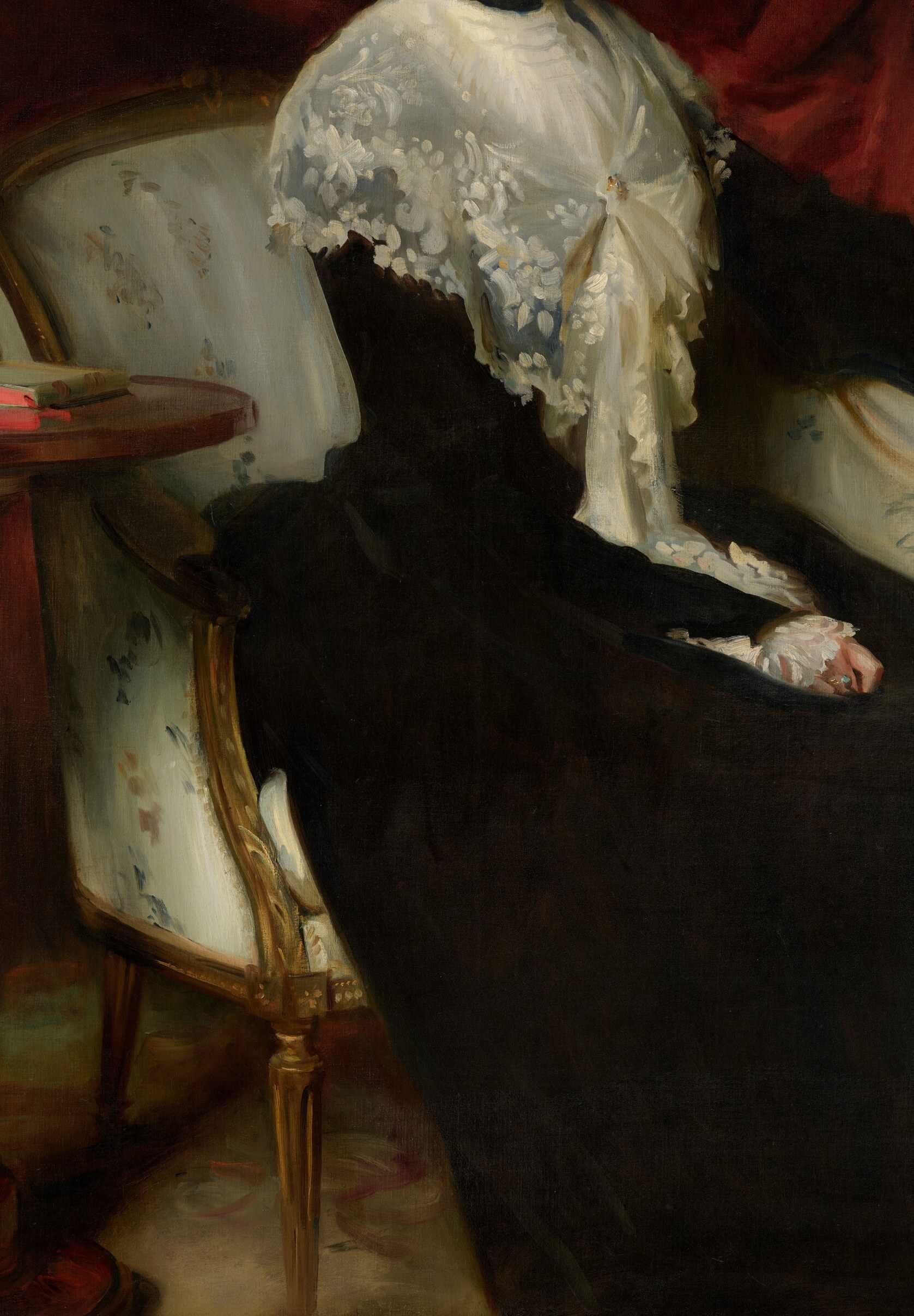
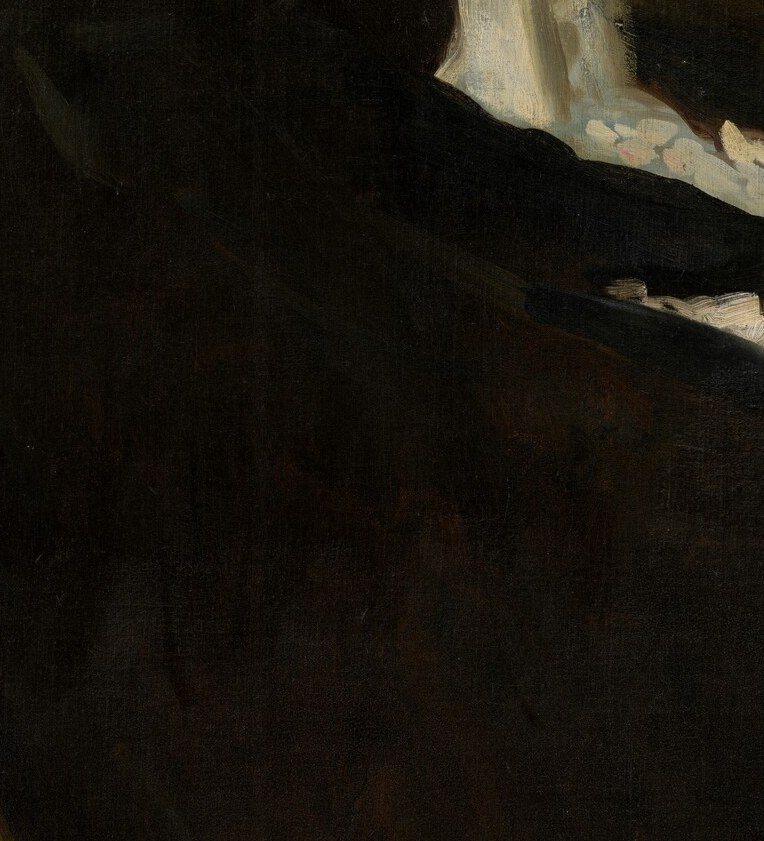
There is a particular stillness in her hands and the soft suggestion of a fan. No tension, no grip. Just someone who knew that dignity is a choice you make before the canvas, not after.
Details
Transcript
She was 65 when she sat for this portrait. A widow. One of the richest women in America. Three years later, her fortune collapsed. Panic emptied the family vaults. Sargent gives her a halo of white hair. A steady, level gaze. She does not ask for warmth. She offers composure. The black dress signals widowhood. But no mourning veil, no downcast eyes. Her hands are still. A folded fan. A woman accustomed to being watched. Sargent painted the lace in loose, fast strokes. From a distance, it convinces completely. She sat for the portrait at the height of her world. Within years, most of it was gone.