A Man Riding a Horse by Anthony van Dyck
Anthony van Dyck's "A Man Riding a Horse" (1630) showcases the artist's early genius for capturing dramatic movement and power. This oil painting, part of The Metropolitan Museum of Art's collection, is a prime example of his Baroque style.
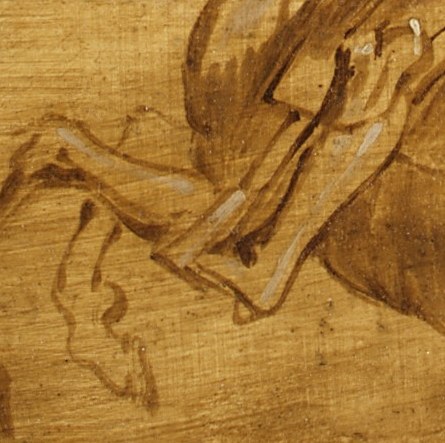
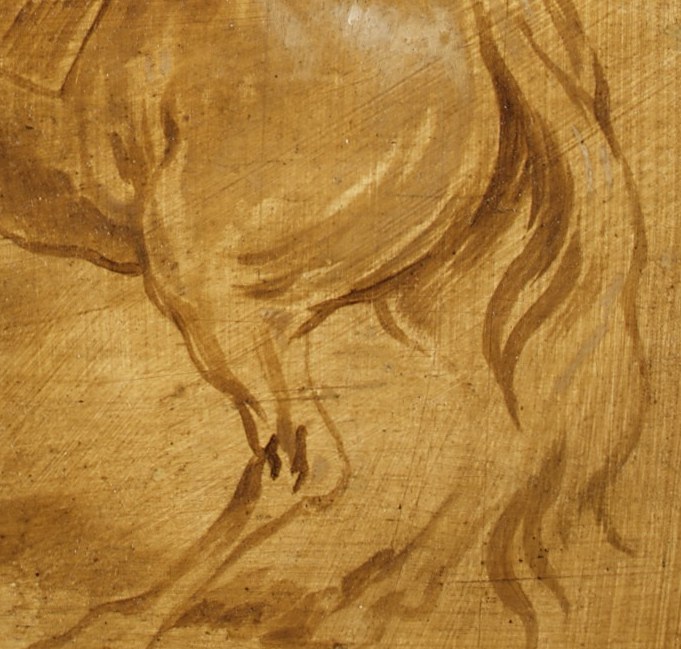
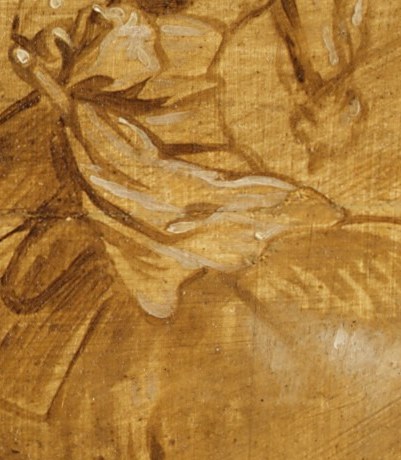
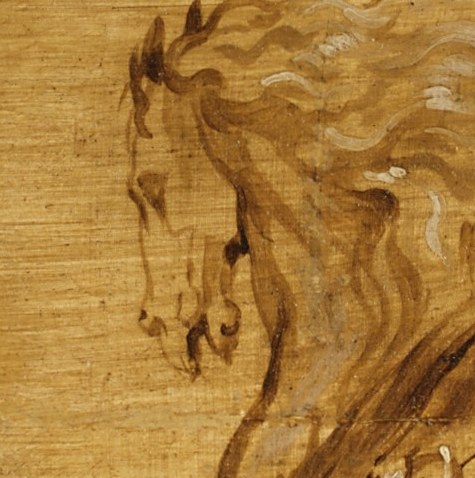
Notice the incredible detail in the horse's musculature and the flowing mane, contrasted with the rider's calm, confident posture. Van Dyck masterfully uses impasto, applying thick paint to create a tactile surface that almost seems to move.
Painted before he became the leading court painter in England, this work reflects van Dyck's early influences from Rubens and Italian masters. It emphasizes horsemanship as a symbol of status and poise, a common theme in courtly art of the period.
It's a study in controlled energy, a moment frozen in time that still feels alive. What part of the painting draws your eye most?
Details
Transcript
Anthony van Dyck painted this powerful rider around 1630. It shows his early mastery of movement and dramatic effect. Look at the horse’s muscular hindquarters, coiled with latent strength. The rider's grip is firm, conveying confident mastery over the animal. Van Dyck used thick impasto paint to create tactile, luminous surfaces. His brushwork captures both detailed realism and fluid motion. This work helped establish his fame before he moved to England.