Portrait of a Young Man by Aelbert Cuyp
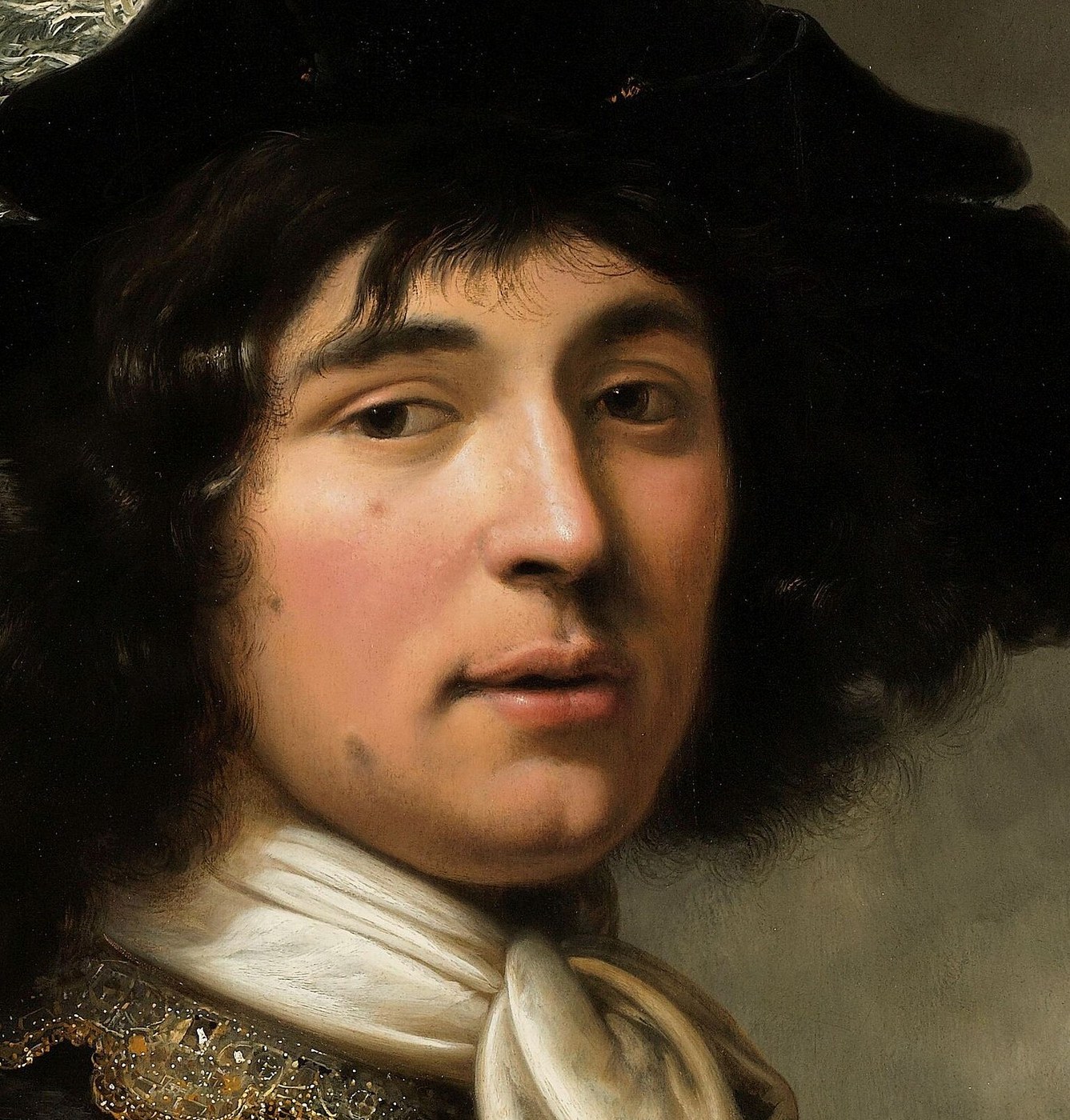
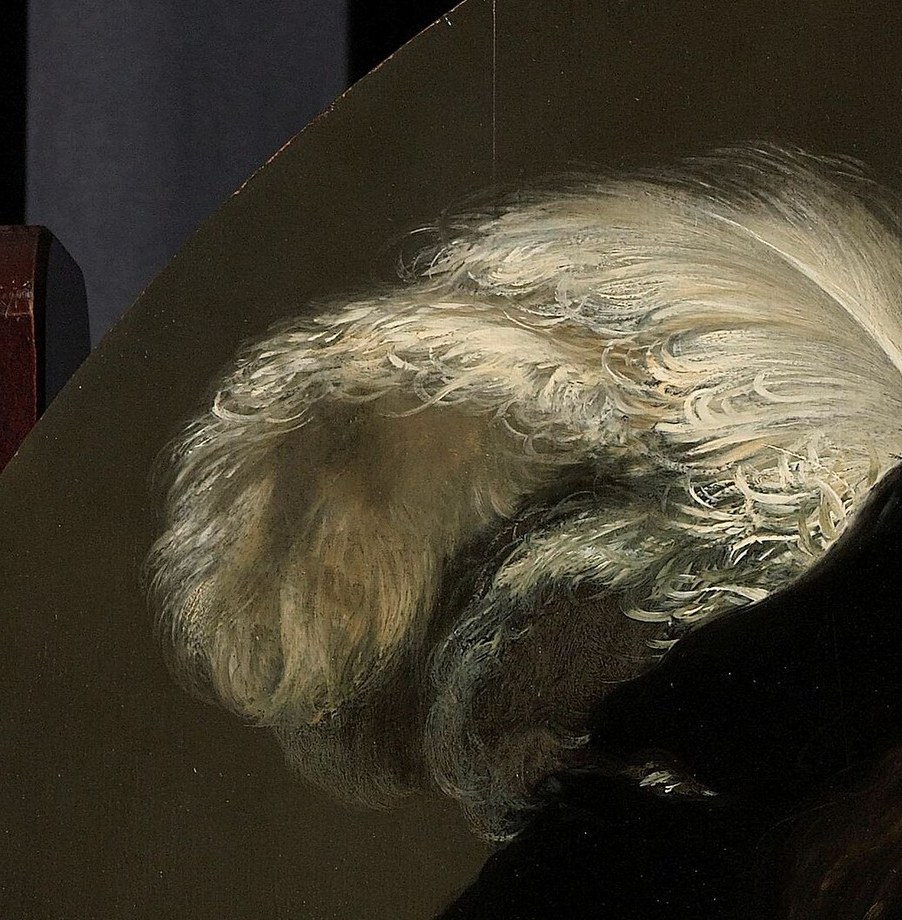
Aelbert Cuyp's "Portrait of a Young Man" from 1651, housed at the Rijksmuseum, offers a glimpse into how identity was conveyed in 17th-century Dutch society. While Cuyp is celebrated for his luminous landscapes, this portrait demonstrates his skill in figure painting.
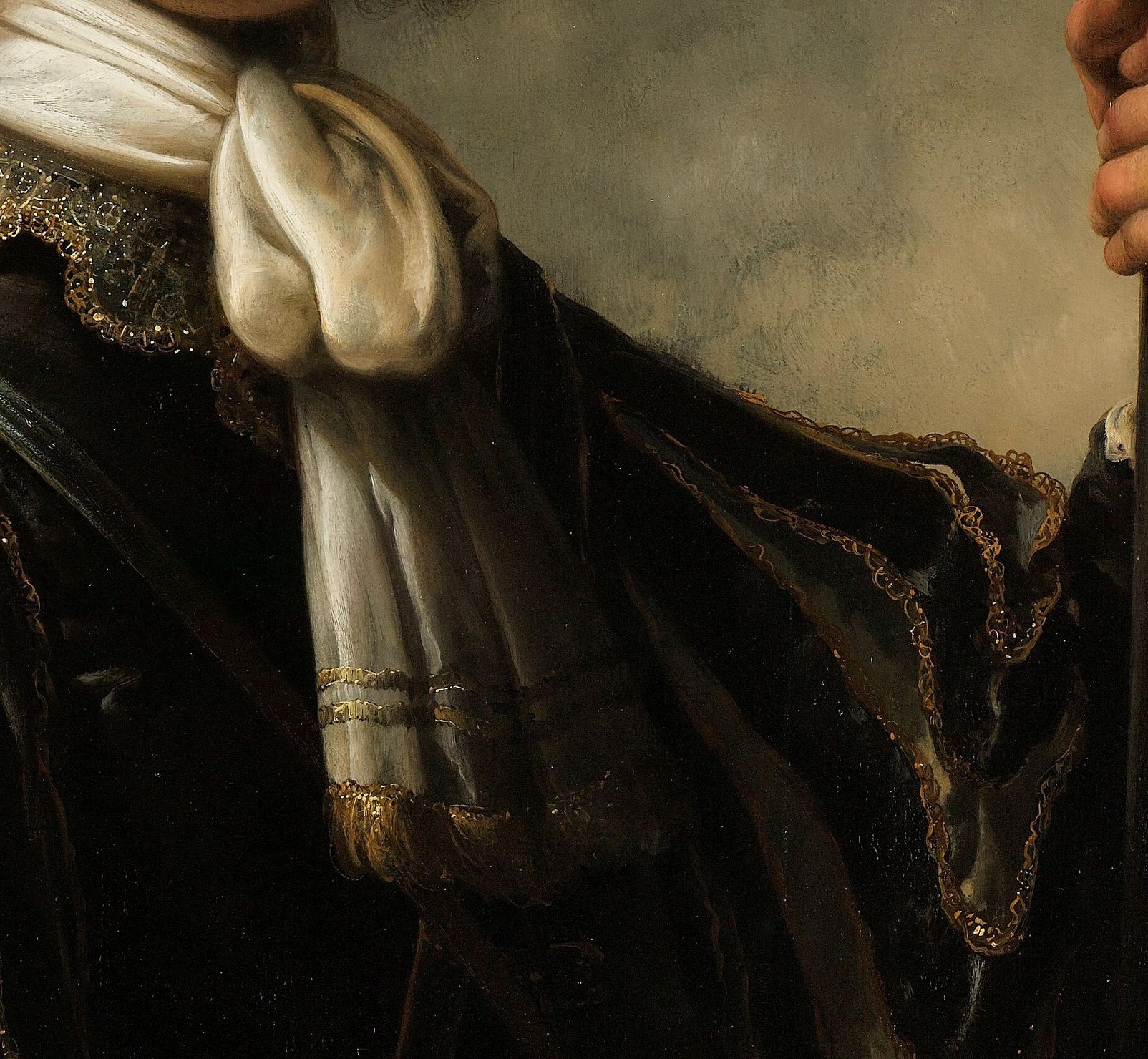
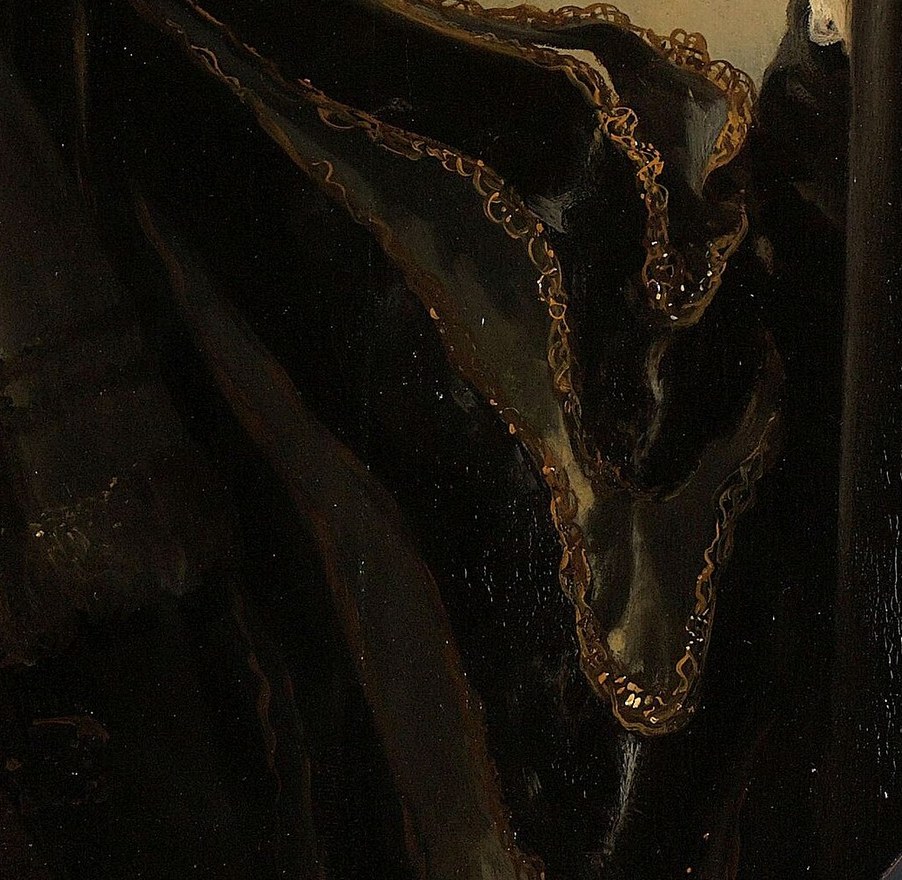
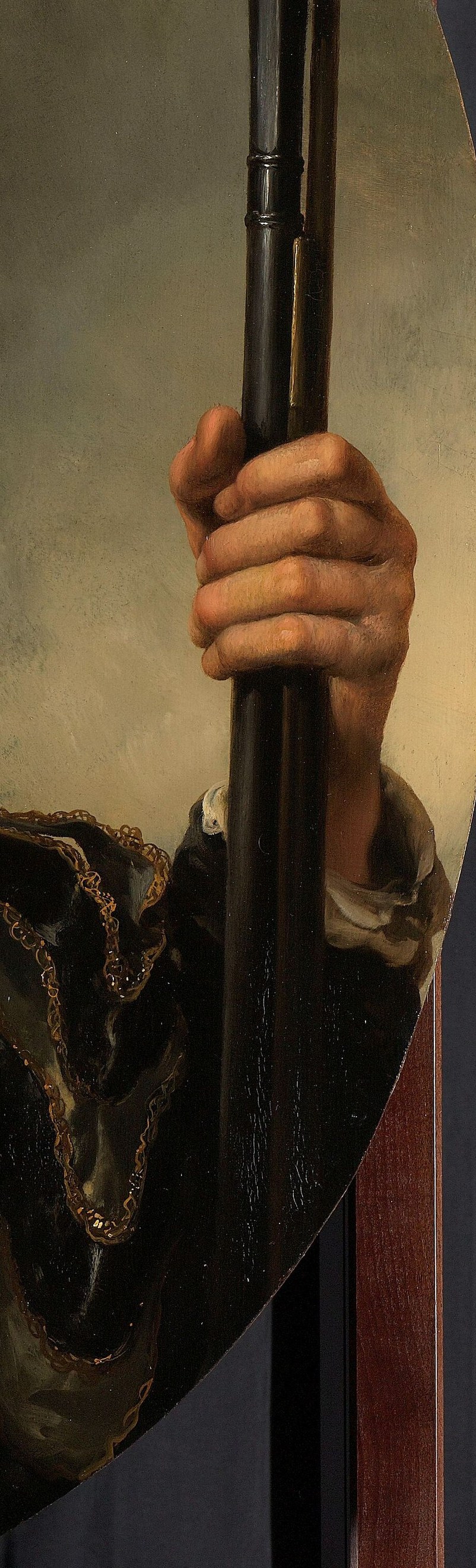
Look closely at the young man's attire. His elegant striped jacket with intricate gold trim, along with the prominent rifle, are not just fashion statements. They are deliberate symbols, indicating his social standing as possibly a civic guard or a gentleman sportsman, roles that carried significant prestige at the time.
This oil painting was created during a period when demand for individual likenesses was high in the Dutch Republic. Artists like Cuyp, though primarily known for other genres, often took on portrait commissions to meet this demand, showcasing their versatility and contributing to a rich tradition of realistic, individualized portraiture.
What do you think his expression tells us about his character or aspirations?
Details
Transcript
This young man has a confident, direct gaze. His expensive, striped jacket suggests wealth and fashion. The gold embroidery highlights his status. In 17th-century Holland, portraits showed a person's role. This rifle marks him as a civic guard or sportsman. He was painted by Aelbert Cuyp, known for landscapes.