Virgin and Child by Francesco Squarcione
Francesco Squarcione's 'Virgin and Child,' painted around 1450, isn't just a devotional image; it's a carefully encoded message about Mary's divine status. This early Renaissance oil painting, housed at the Rijksmuseum, uses specific visual cues to communicate profound theological ideas.
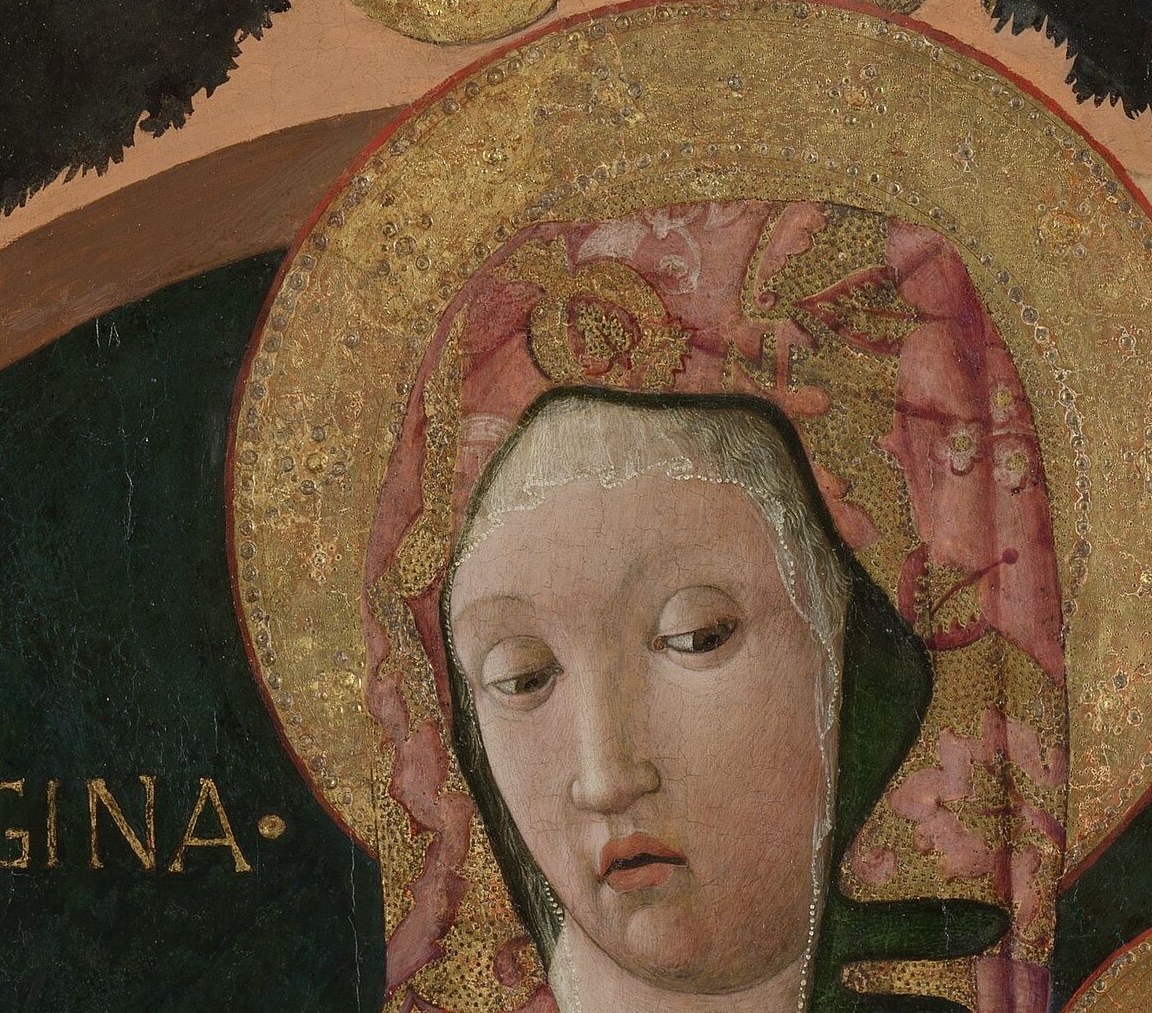
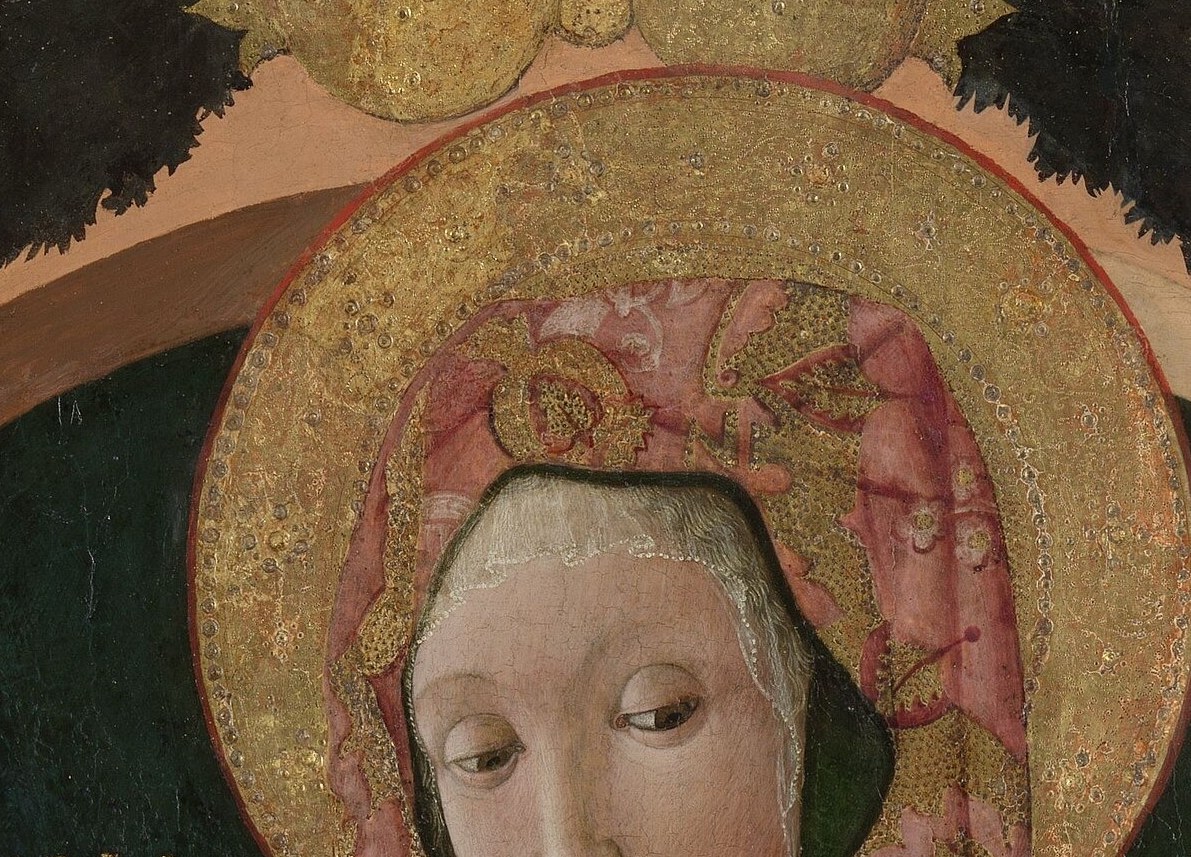
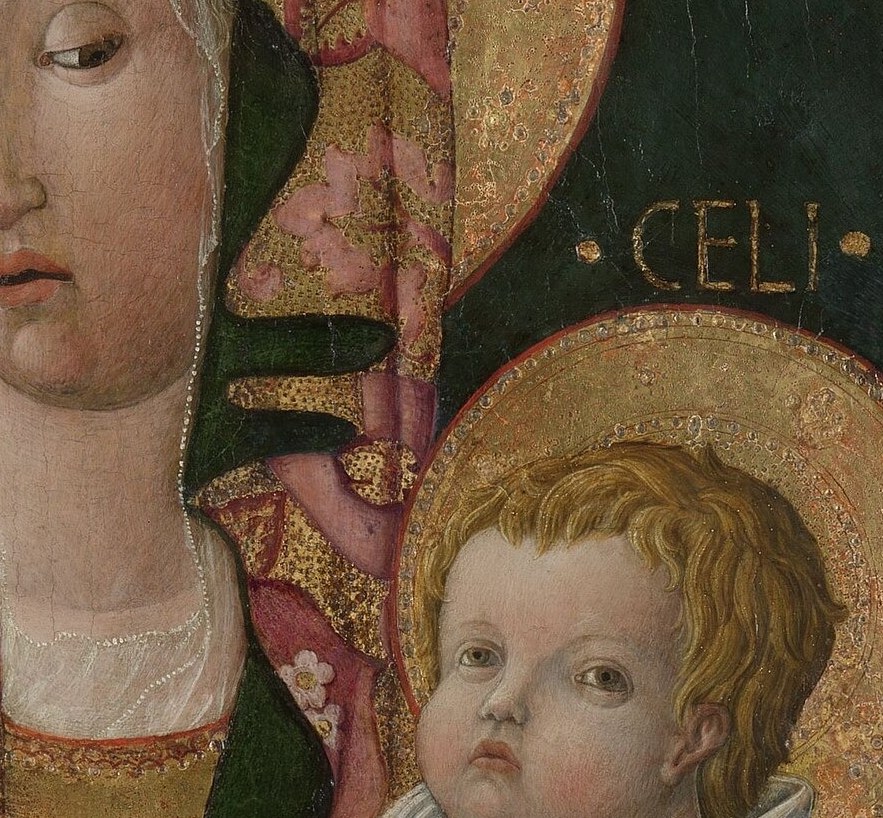
Observe the subtle yet significant details: Mary's golden halo, a universal sign of sanctity, is just one part of the message. The inscription 'REGINA,' clearly visible, declares her as 'Queen.' Further above, the abbreviation 'CEL' for 'Caelestis,' or 'Heavenly,' reinforces her elevated position as Queen of Heaven. These elements ensure the viewer understands her divine authority.
Squarcione, a pivotal figure in 15th-century Padua, established an influential painting school that shaped a generation of artists. His meticulous approach to symbolism in this piece reflects the period's deep engagement with religious iconography and its power to convey complex spiritual truths.
What other hidden messages might artists have included in their works?
Details
Transcript
This 15th-century painting by Squarcione appears to be a simple Madonna. But the painter added specific elements as a coded message. Look closely at the Virgin's halo, a common symbol of divinity. Now, find the word 'REGINA' on the painting's upper left. This Latin word means 'Queen,' identifying her as Queen of Heaven. And above, you can just make out 'CEL,' an abbreviation for 'Heavenly.' These details reinforce her role, a clear message to the viewer.