The Kitchen Maid by Chardin, Jean Siméon
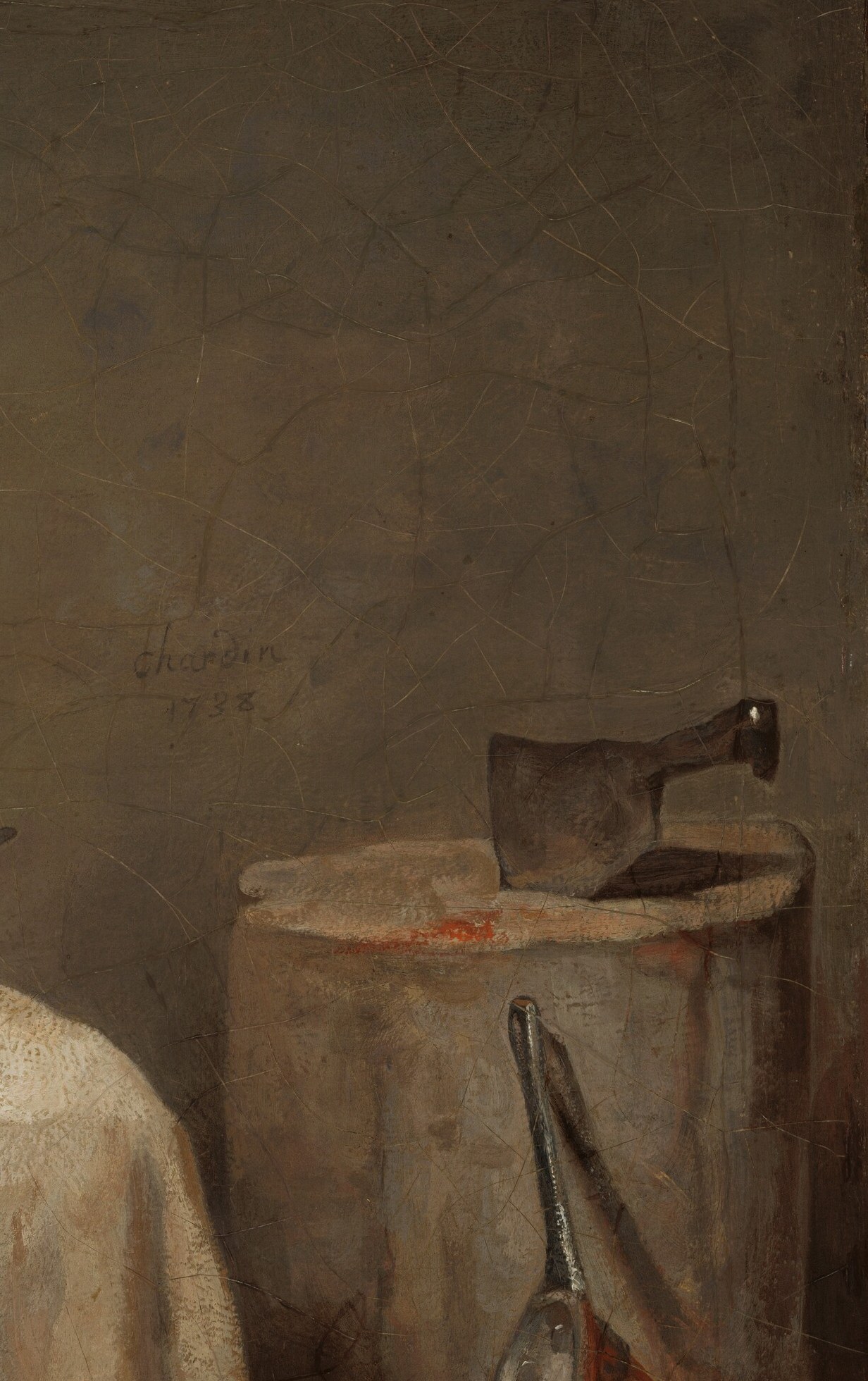
The Kitchen Maid by Jean Simeon Chardin is not a single painting, but a quartet. Painted in 1738, this quiet image of a young servant pausing from her work was so coveted that Chardin made three additional autograph copies to meet demand. Today, those three surviving versions reside in different museum collections, each one a genuine Chardin.
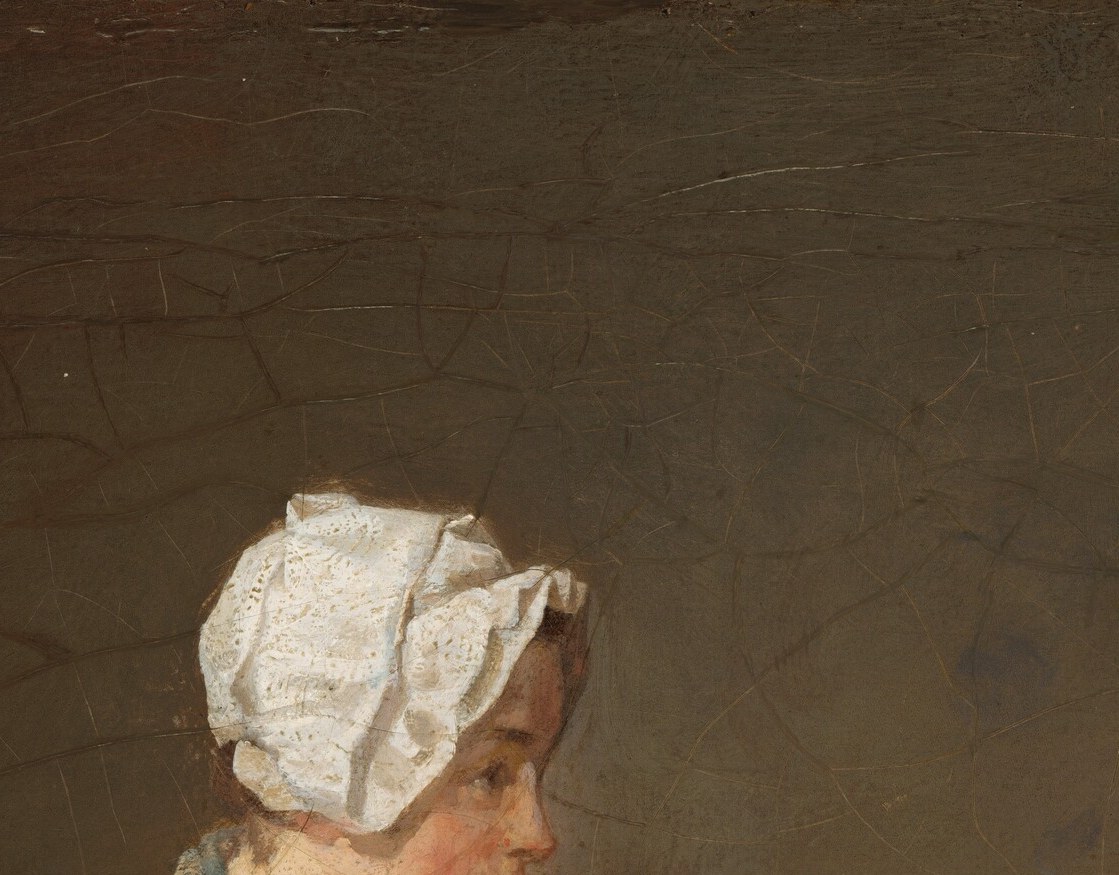
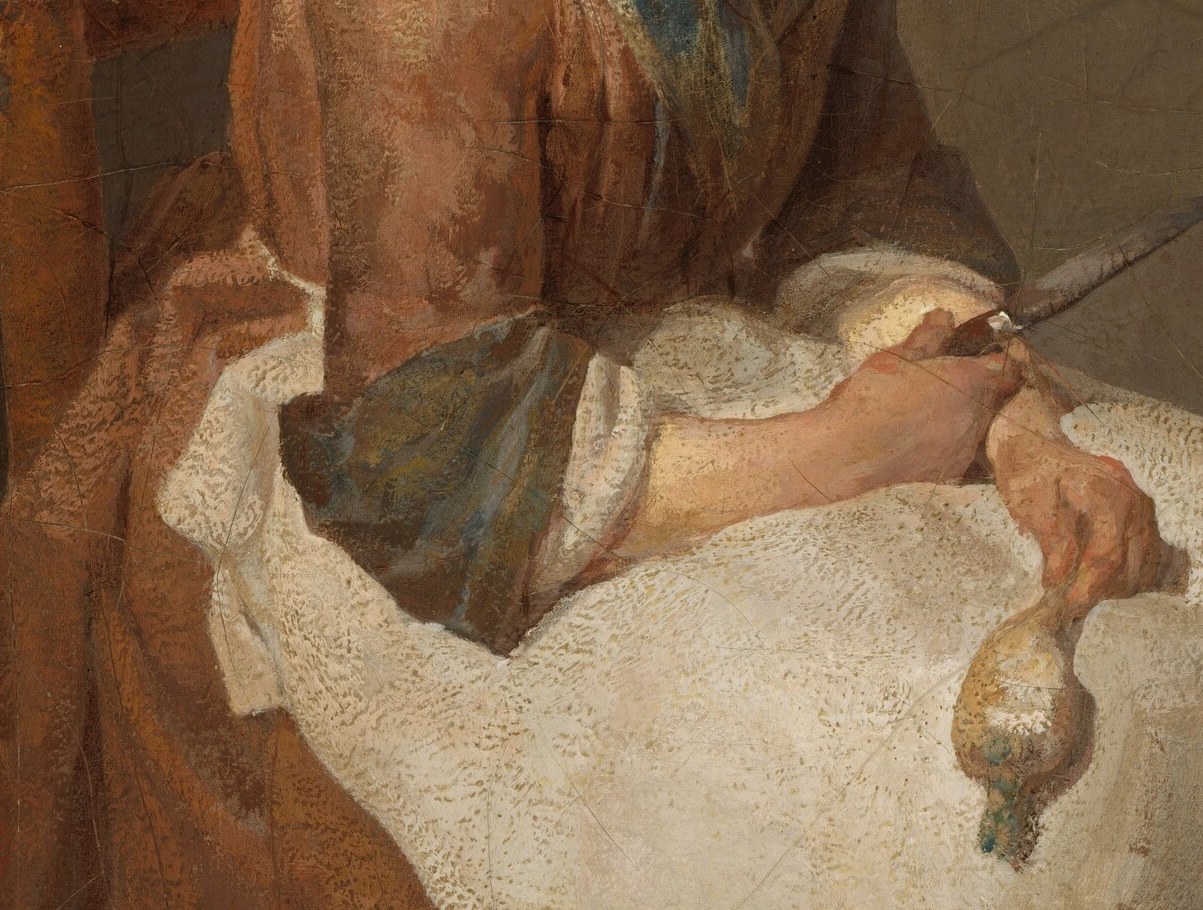
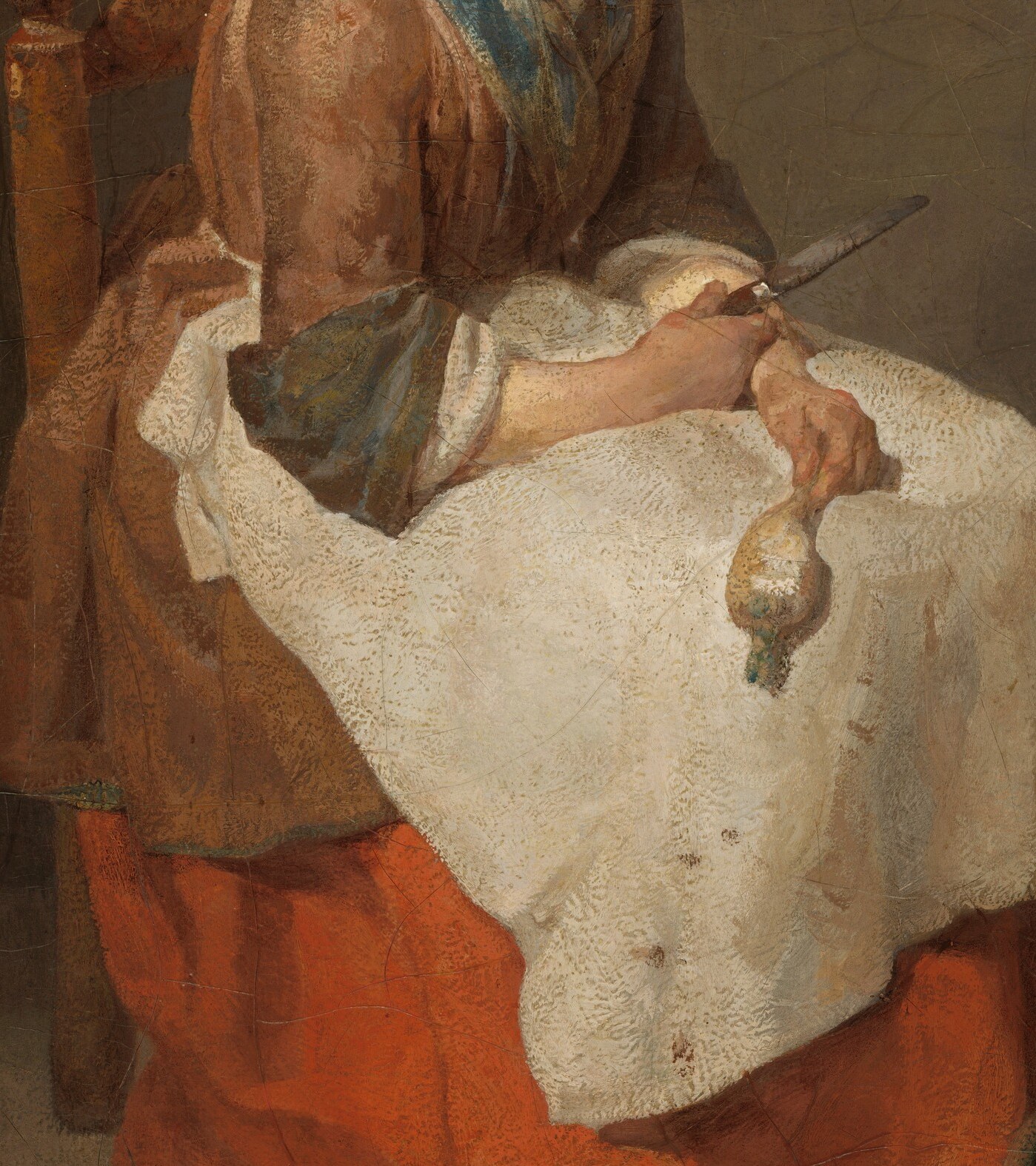
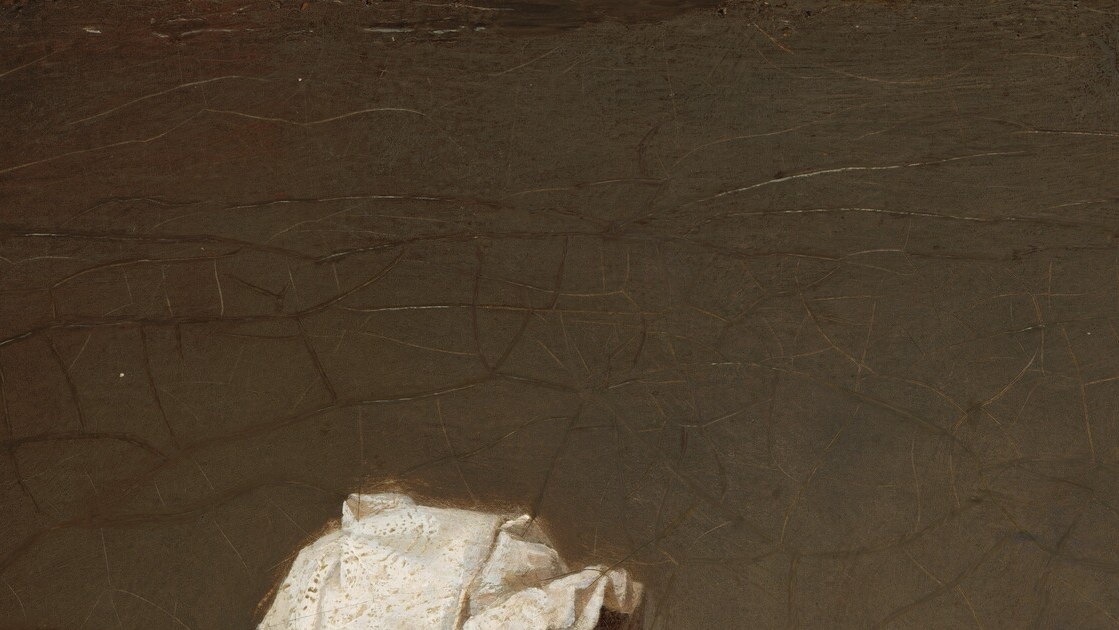
Look at her hands. They are the axis of the entire composition, paused mid-peel over a green-glazed bowl of scraps. The knife rests, the vegetable is still in her grip, but her mind is elsewhere. Chardin captures not idleness but suspended labor, a fleeting moment of thought within a long working day. The luminous white apron and linen cap are not mere costume. They are a masterclass in soft, diffused light on coarse fabric, painted with the same reverence another artist might reserve for satin and lace.
The painting's history is one of obsession. During his lifetime, Chardin was unique among French Academicians for dedicating himself to humble domestic scenes rather than grand historical or mythological subjects. This particular work became a sensation, and versions passed through the hands of avid collectors. The whereabouts of one copy were unknown for decades, lost to the shadows of private ownership and wartime upheaval, until it resurfaced, confirming that the quiet dignity Chardin recorded was something the art world refused to let disappear.
How does a painting become stolen, sought-after, and still retain its silence?
Details
Transcript
Three museums claim to own this painting. All three are authentic. Her hands tell you why. Paused mid-peel, the work is suspended, not abandoned. Chardin painted four copies. Collectors fought over them. One was stolen. Its whereabouts were unknown for decades. He hid dignity in ordinary work, and everyone wanted it.