Album of Seasonal Landscapes, Leaf D (previous leaf 2) by Xiao Yuncong
Xiao Yuncong's "Album of Seasonal Landscapes, Leaf D" (1668) survived not as a tranquil retreat, but as evidence of a public embarrassment. The painter, then in his seventies and living in obscurity after the fall of the Ming dynasty, gave this album to a high-ranking Qing official, hoping to re-enter a world that had left him behind.
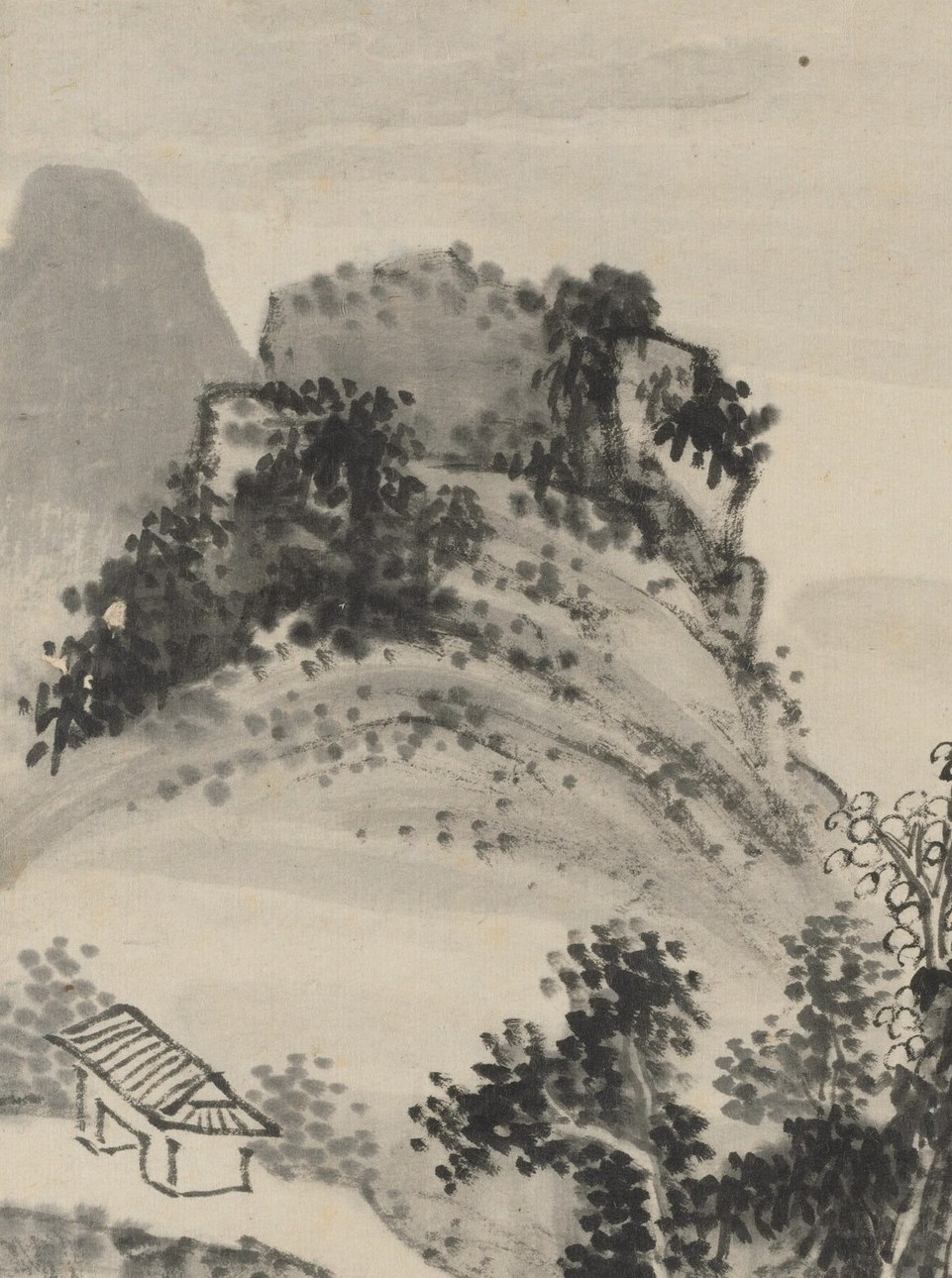
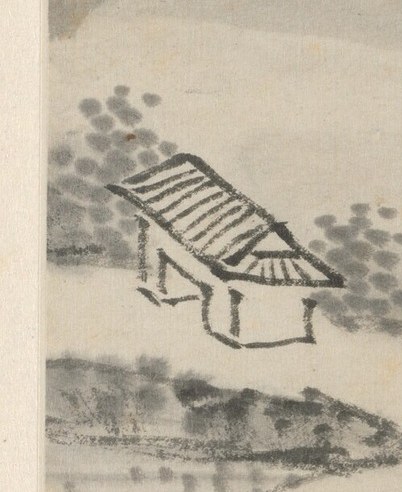
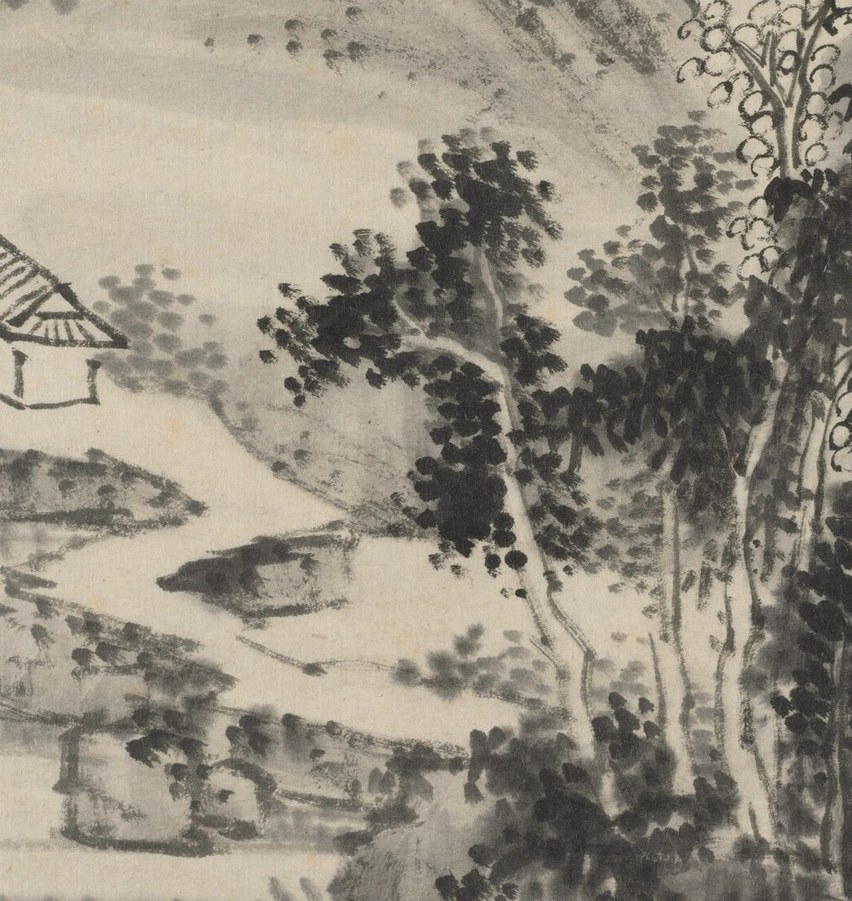
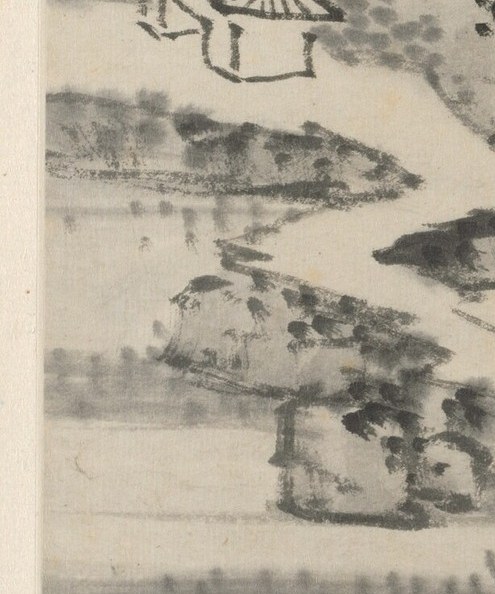
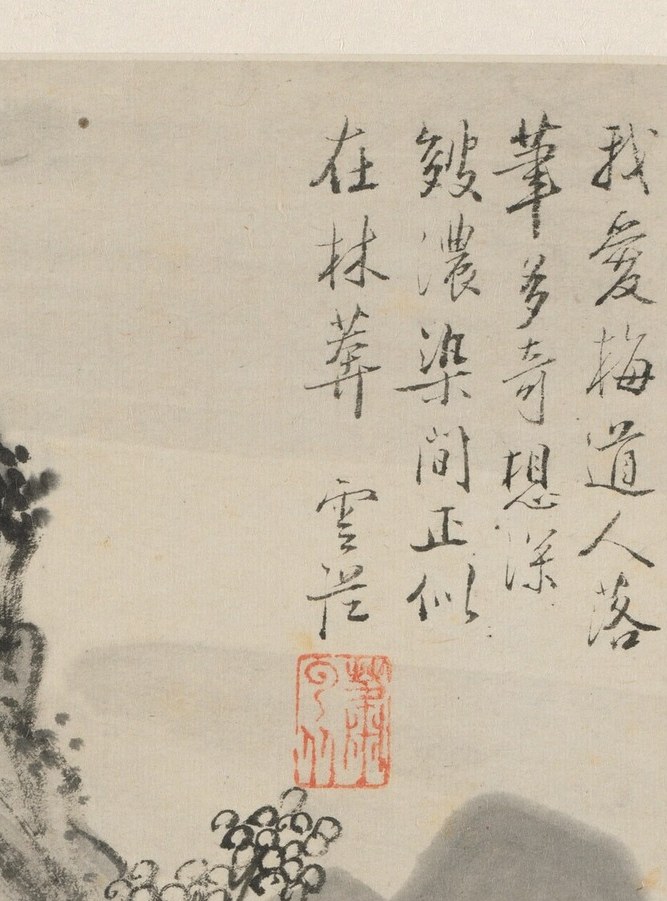
The painting is a model of restraint. A thatched hut nestles against a cliff. Bare silk becomes still water and mist. Ink-dot trees crown the mountain, a literati signal that this wilderness could sustain a virtuous life. Look at the calligraphy upper right: Xiao inscribed the poem himself, and his words betray the painting's true purpose.
The official was not moved. He rejected the gift, and the story of that refusal spread. For a scholar-artist who staked his identity on moral distance from the new regime, failing to earn even a minor post stung worse than exile. The two red seals below the inscription authenticate the leaf as exactly what it is: a peace offering that became a permanent record of repudiation.
A landscape of total calm, handed over in desperation, now hangs in a museum as one of the few surviving witnesses to Xiao's painful final years. What do you think he felt as he painted that empty water?
Details
Transcript
A modest hut. Mountains fading into mist. Peace. But the man who painted this was not at peace. Xiao Yuncong made this album in 1668, at seventy-two. He gave it to a powerful official, hoping to regain favor. The official saw the sentiment, and rejected it. In his own hand, upper right, Xiao wrote the story. This painting was a scandal. A gesture that backfired publicly.