Colonel Augustus James Pleasonton by Neagle, John
In 1846, traditional painted portraits like John Neagle's "Colonel Augustus James Pleasonton" were still the primary way to capture and display one's likeness and status, even as photography began to emerge.
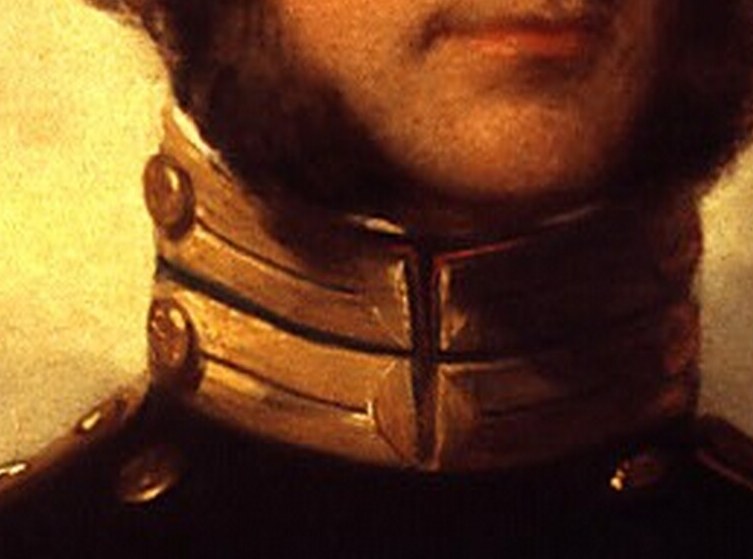
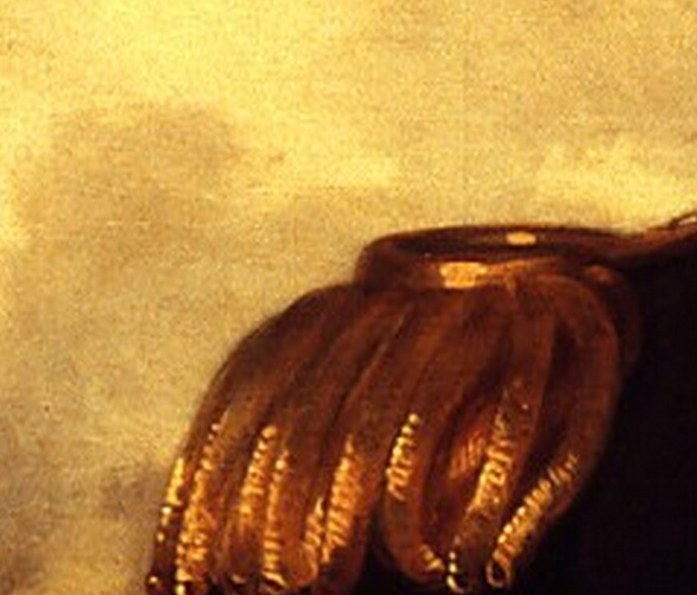
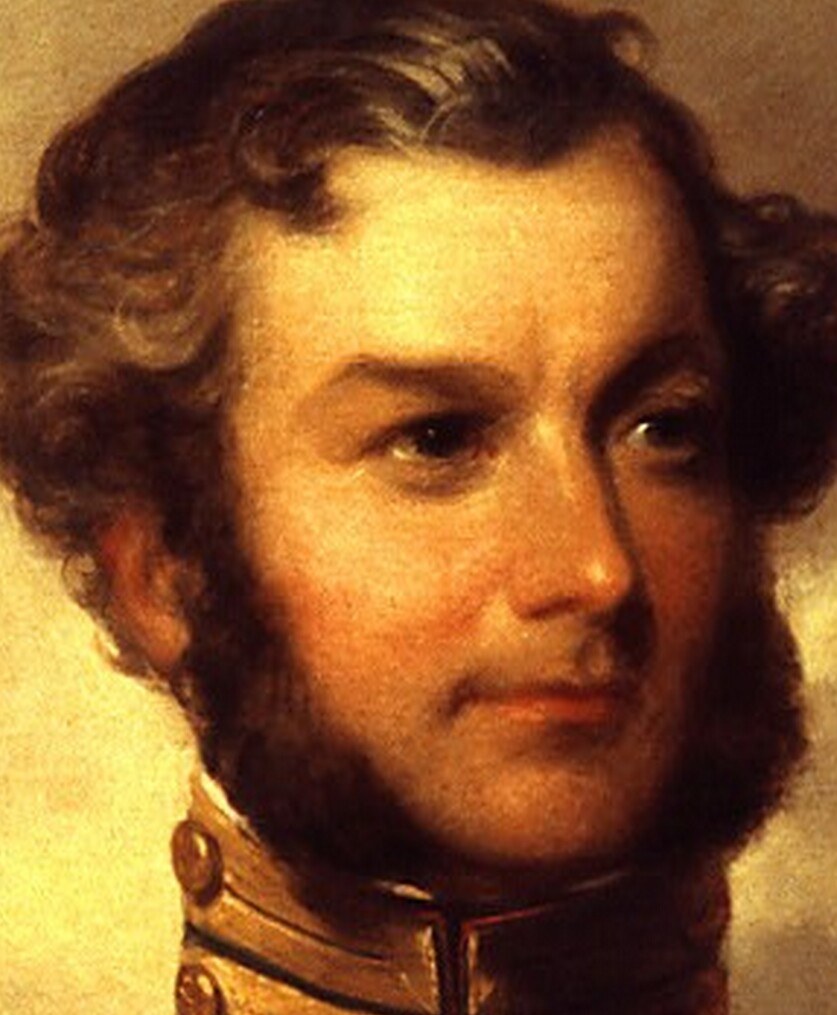
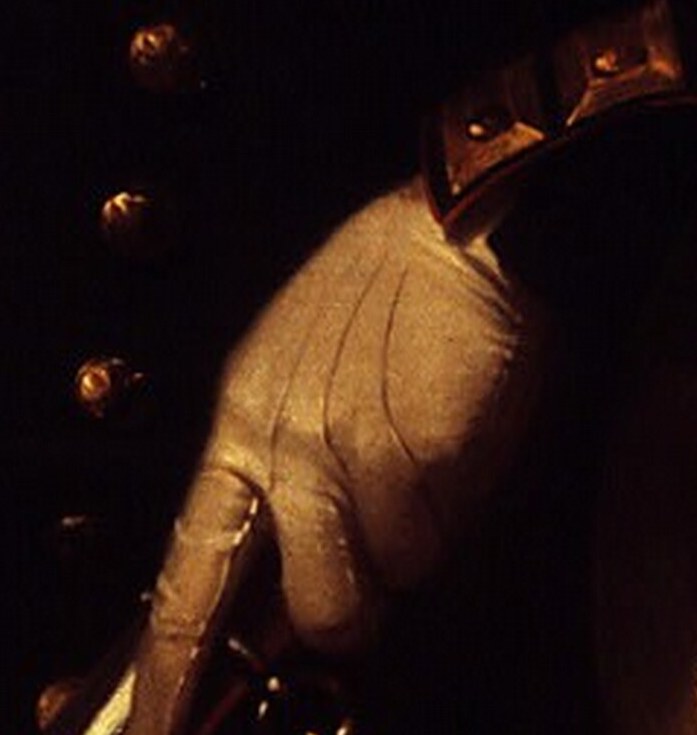
Observe Colonel Pleasonton's formal uniform and direct gaze. Every detail, from his epaulets to his stern expression, was carefully rendered to convey his authority and public identity.
Neagle's portrait served as a vital visual record, predating the widespread accessibility and acceptance of photographic images. It highlights a fascinating transitional period in art history, when the painted image held profound social significance.
What details in the portrait speak most to his status and presence?
Details
Transcript
This isn't a photograph, but a painting from 1846. Photography was new, so painted portraits still affirmed status. Colonel Pleasonton's formal uniform shows his authority. His direct gaze projects power and seriousness. This portrait captured his public identity for his era. It was a visual record before photography took over.