清 佚名 舊傳蘇軾 墨竹圖 扇|Bamboo by Su Shi|Unidentified artist
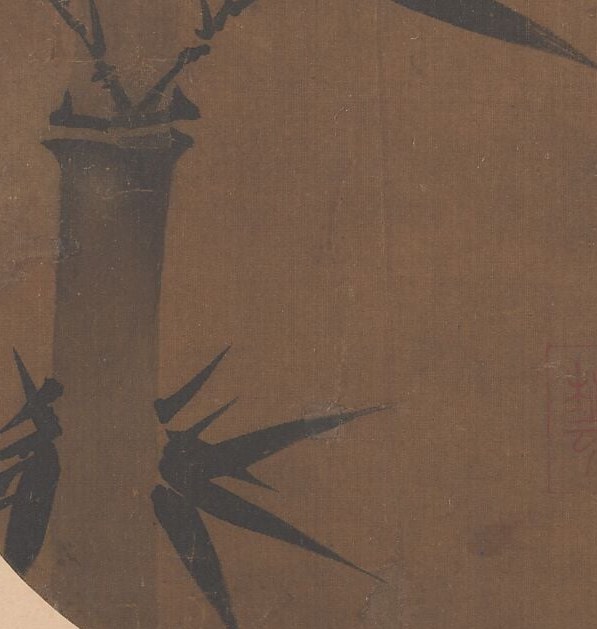
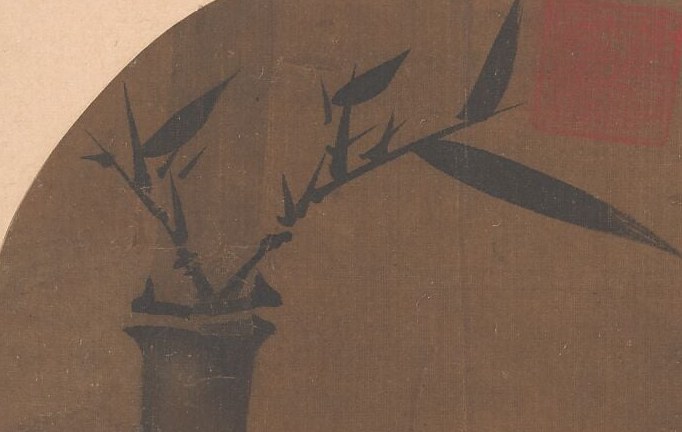
This ink painting on silk, titled *Bamboo*, from the Qing dynasty (1639) is currently in a private collection. It was originally a fan, later remounted as an album leaf, and depicts a solitary bamboo stalk in black ink.
The painting's central motif, bamboo, carries significant symbolic weight in Chinese culture, often representing resilience and integrity. Its ability to bend without breaking has made it an emblem of strength and perseverance, especially valued by scholars and officials.
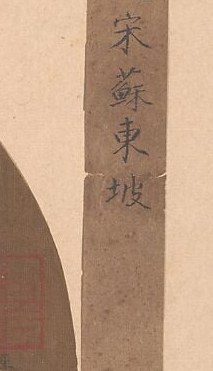
While the artist remains anonymous, the piece has historically been associated with the renowned Song dynasty scholar-artist Su Shi (1037-1101), reflecting a long-standing tradition of bamboo painting. The minimalist aesthetic and fluid brushstrokes showcase a mastery of the medium.
What other plants hold deep cultural meaning in art?
Details
Transcript
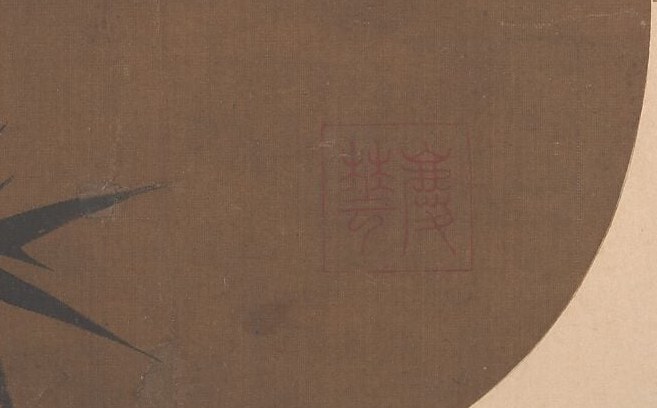
In 1639, during the Qing Dynasty, this fan was painted. It depicts bamboo, a powerful symbol in Chinese culture. Bamboo represents resilience and integrity. Its ability to bend without breaking was highly valued. The calligraphy offers scholarly appreciation. While the artist is unknown, it's linked to scholar Su Shi.