Portrait of a Man by Jean Saillant
View the artwork: Portrait of a Man →
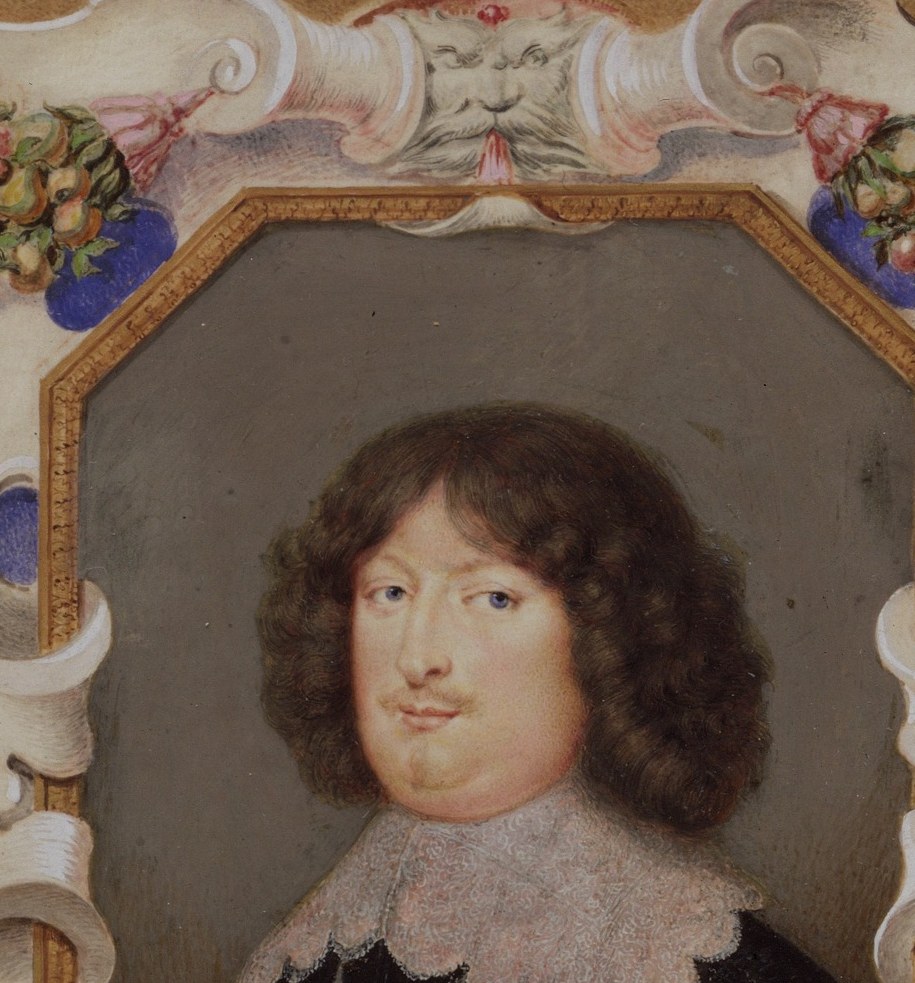
This is a portrait of a man whose name is lost. Jean Saillant painted it in 1628, on wood, and it now hangs in the Metropolitan Museum of Art. The sitter's direct gaze and solemn bearing invite a question no one can answer: who was he? A merchant, a minor noble, a magistrate whose records time has erased? We will almost certainly never know.
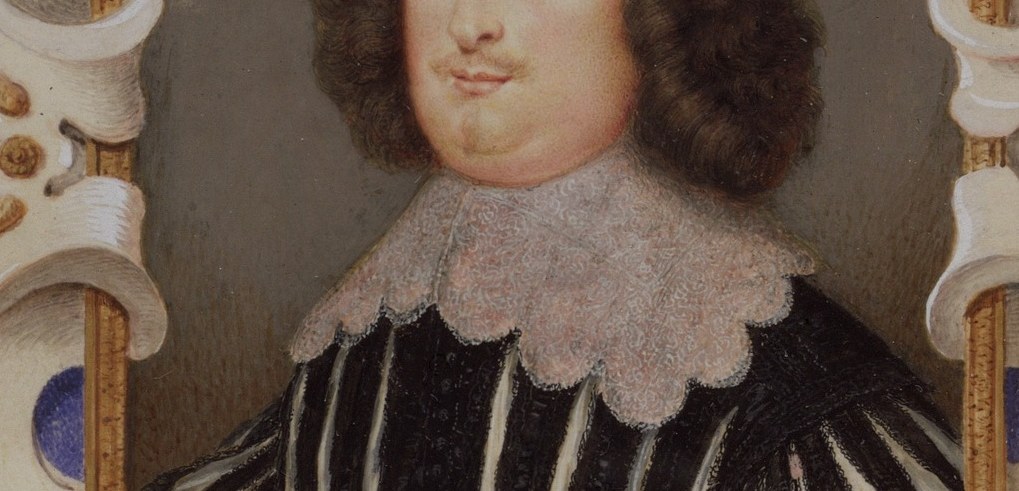
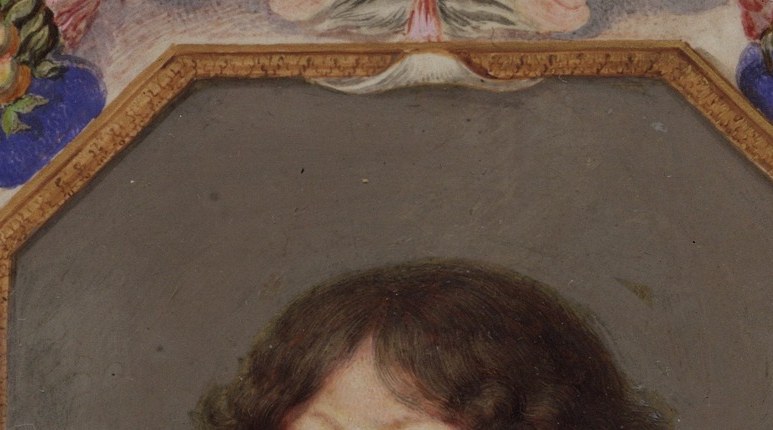
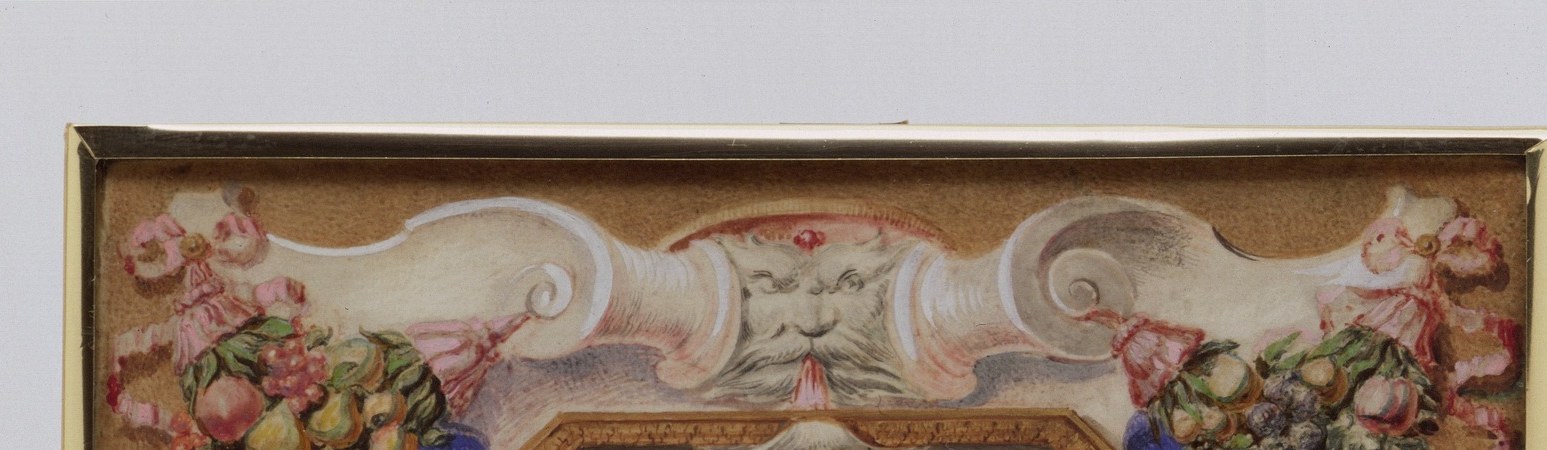
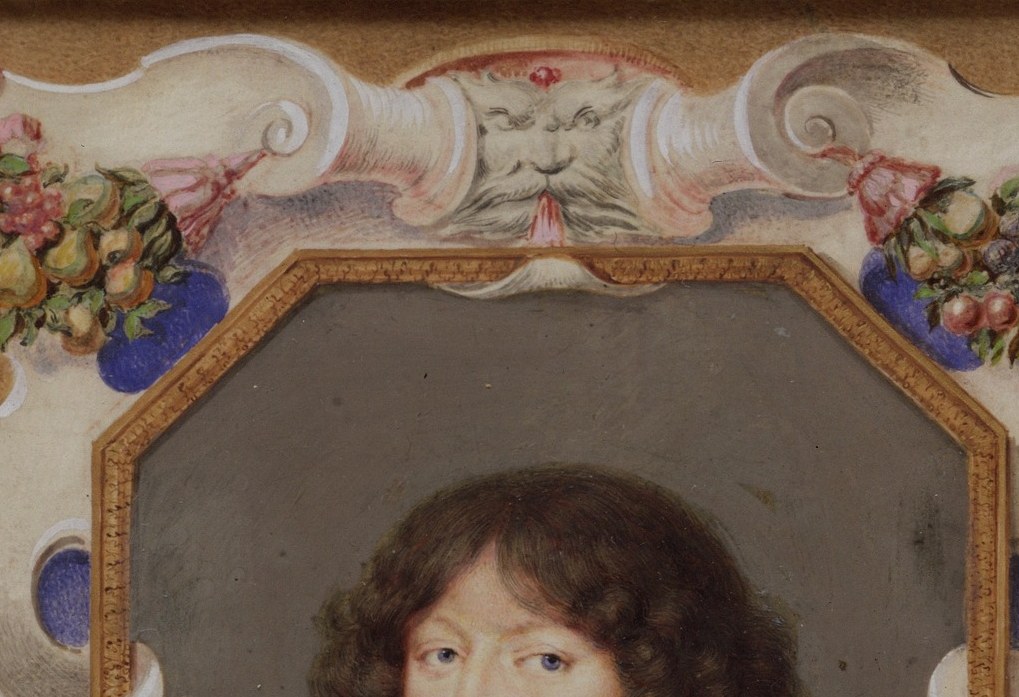
Look at the deliberate plainness. The black doublet, the flat white collar, the empty dark background. In 17th-century Protestant Europe, this restraint was a language. It said seriousness, modesty, a life of moral weight. But the elaborate floral frame was almost certainly painted by a different hand, a specialist. Tulips and roses bloom around a man whose identity has faded, a quiet vanitas the sitter himself could not have foreseen.
Jean Saillant was an Augustinian friar from Avignon, trained as a miniaturist. He worked in Rome and Florence, painting intimate likenesses on vellum, and this small portrait shows the precision of that craft in the soft modeling of the chin and the direct, lifelike eyes. After 1633, the documentary record around him dwindles. He died sometime after 1638, leaving behind only a handful of signed works.
A portrait was supposed to fix a person in time, to hold their name and station for posterity. What remains is the looking itself. A man we cannot name, still meeting our eyes nearly four hundred years later. That feels like a different kind of survival.
#arthistory #portrait #oldmasters
Details
Transcript
Jean Saillant painted this man on wood in 1628. He chose plain black, a flat white collar. No books, no coat of arms. Nothing to tell us who he was. Saillant was a miniaturist. Faces were his whole craft. But the elaborate frame was painted by someone else. Roses and tulips, bright and fading, circle a man now silent. And still he looks back. Solemn. Unflinching. Unnamed.