Artwork
Portrait of a Man
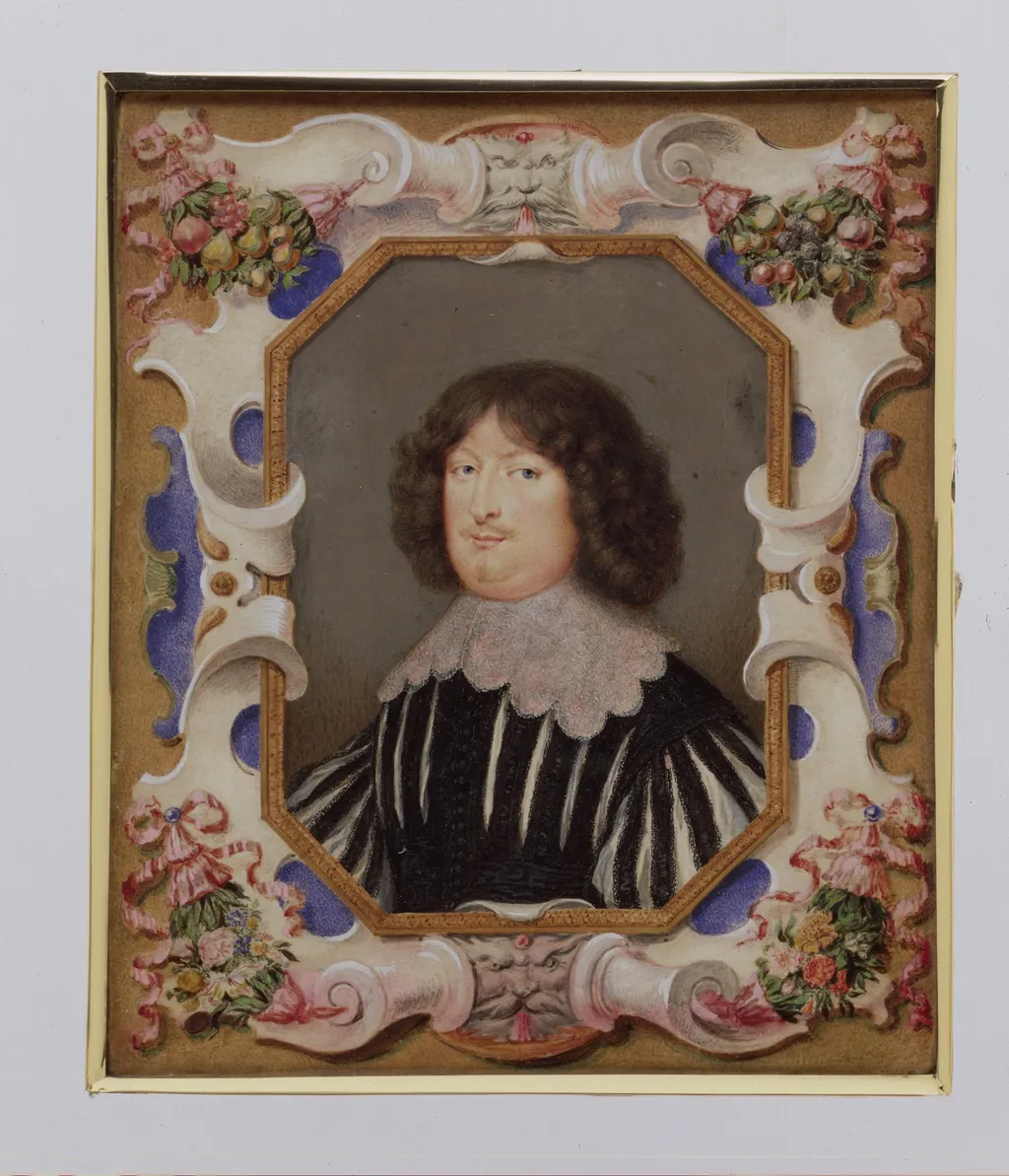
Portrait of a Man is a wood painting by the French Classical Baroque artist Jean Saillant. It dates from 1628 and is held in the collection of the Metropolitan Museum of Art. This painting, executed on wood, depicts an unidentified man.
About this work
Technique & Style
Executed in 1628 by Jean Saillant, this portrait is a small-scale work measuring 17 by 14.
Executed in 1628 by Jean Saillant, this portrait is a small-scale work measuring 17 by 14.2 cm. It is a painting on a dual support of wood and vellum. The composition depicts a male subject wearing a doublet, a collar, and a ribbon, with still-life elements, fruit and flowers, incorporated alongside the sitter. As a miniature intended for close viewing, the handling suits the delicate vellum surface, though specific details of the binding medium or current physical condition are not recorded in the available sources beyond the material composition.
History & Provenance
Portrait of a Man was executed in 1628 by the French painter Jean Saillant. The work is classified as a painting and a portrait, measuring 17 × 14.2 cm. It belonged to the Aimé Martinet collection before being acquired by the Metropolitan Museum of Art, where it remains on public display. No documentation indicates a specific commission or patron.
Its exhibition history includes a presentation in "European Miniatures in The Metropolitan Museum of Art," which featured selections from the museum's miniature collection.
Overview
This painting, executed on wood, depicts an unidentified man. He is presented with a serious demeanor, characterized by dark, curly hair and a direct gaze. The artwork is notable for the striking contrast between the subject's understated attire and the elaborate, decorative frame that surrounds his image, which features vibrant floral and fruit motifs.
Subject & Meaning
The central figure is portrayed in a black doublet accented with white vertical stripes and a broad white collar, suggesting a certain formality without ostentation. His solemn expression and the directness of his gaze invite contemplation, while the plain background ensures that the viewer's attention remains solely on the sitter's features and presence.
Own this work as a print
Artist & collection
Artist
Born in Avignon, Jean Saillant entered the Augustinian order and took the name Saliano, spending significant time in Rome and Florence from about 1620 to 1633; he is documented in Rome by 1622.

- Adolf, Count of Nassau-Dillenburg-Schaumburg (1629-76)
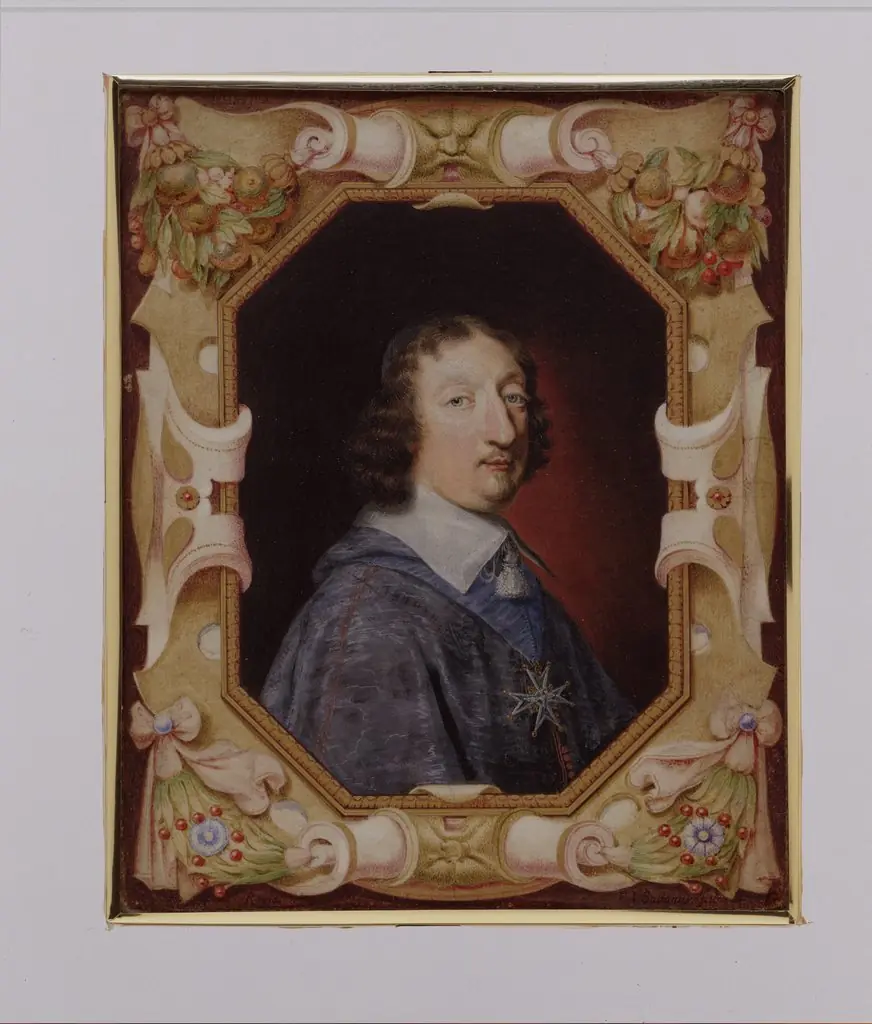 Gaspard de Daillon du Lude (ca. 1602–1676)
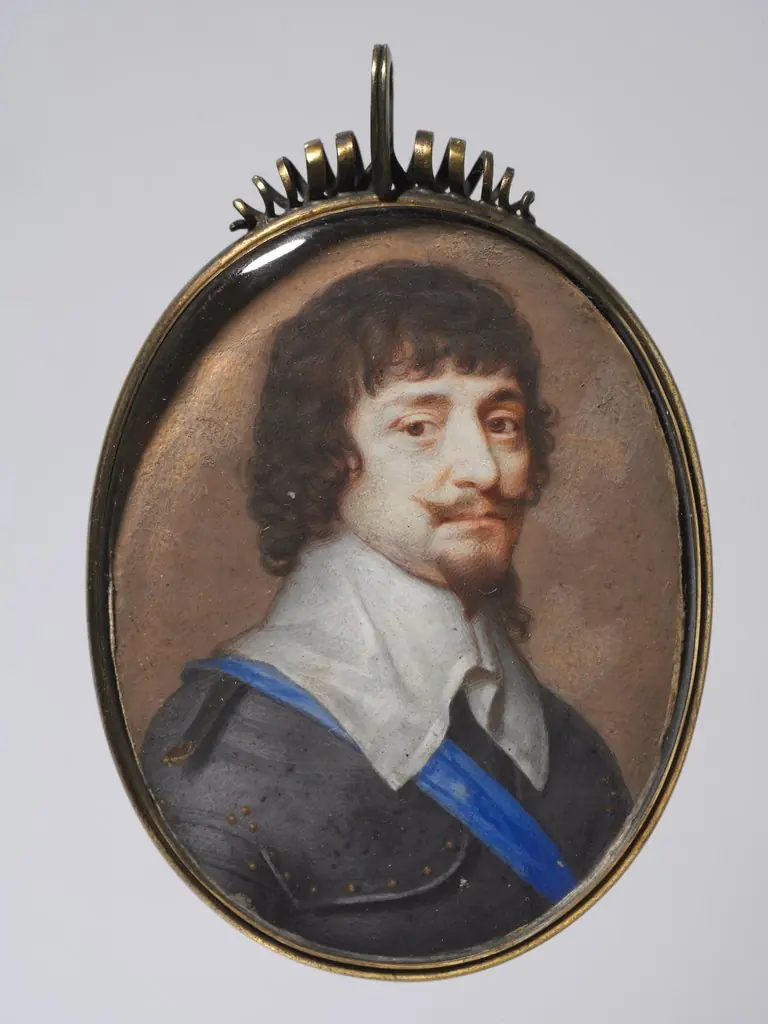 Portrait of Frederick V, Elector Palatine, King of Bohemia
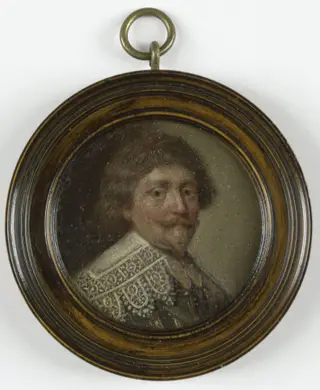 Portrait of Frederik Hendrik van Oranje-Nassau (1584-1647)
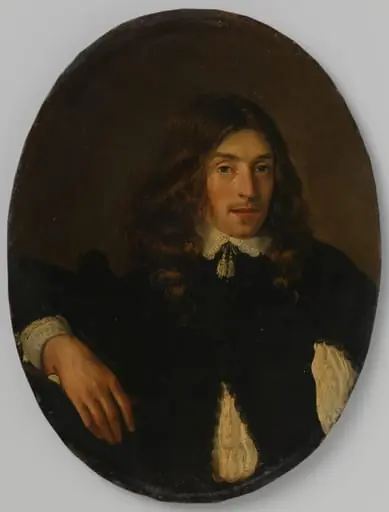 Portrait of a Young Man
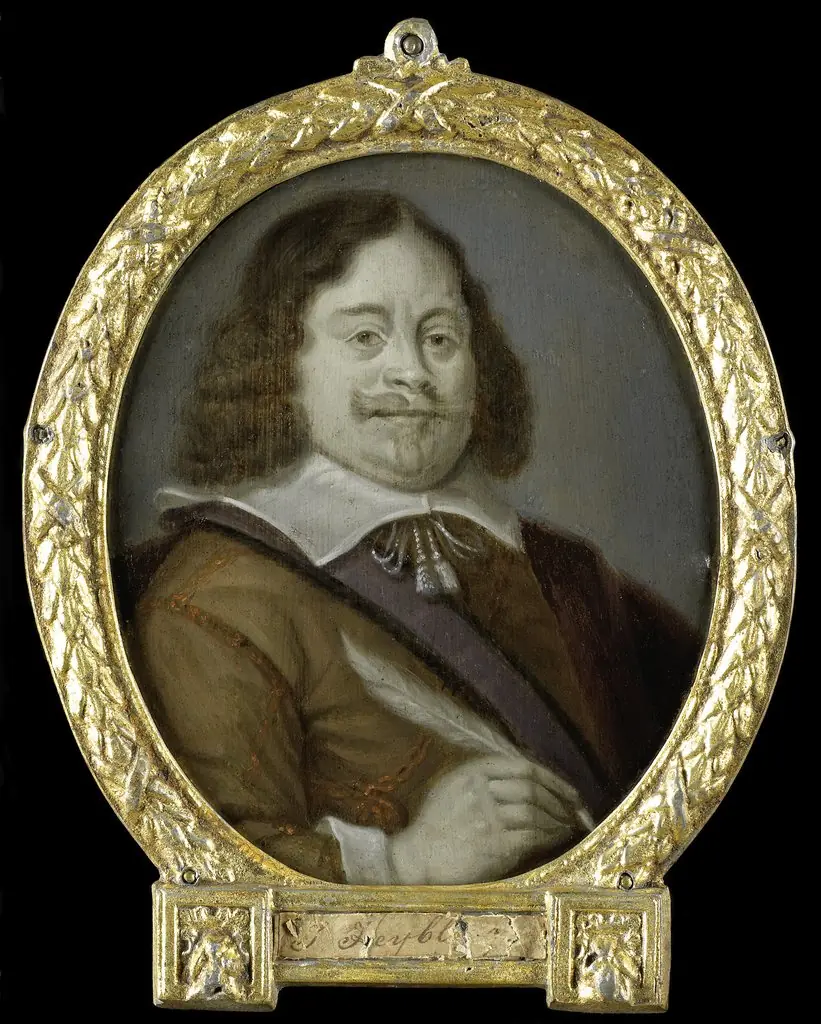 Portrait of Joannes Cools (born 1611), Jurist, Historian and Latin Poet in Hoorn
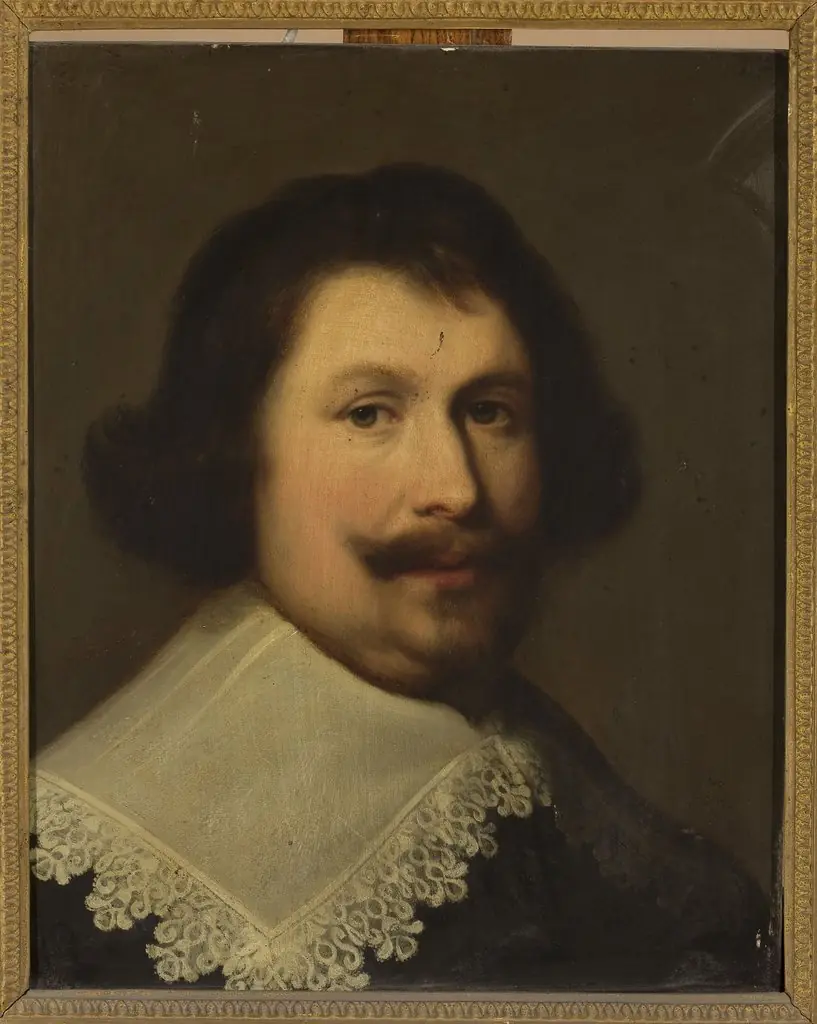 Portrait of a nobleman
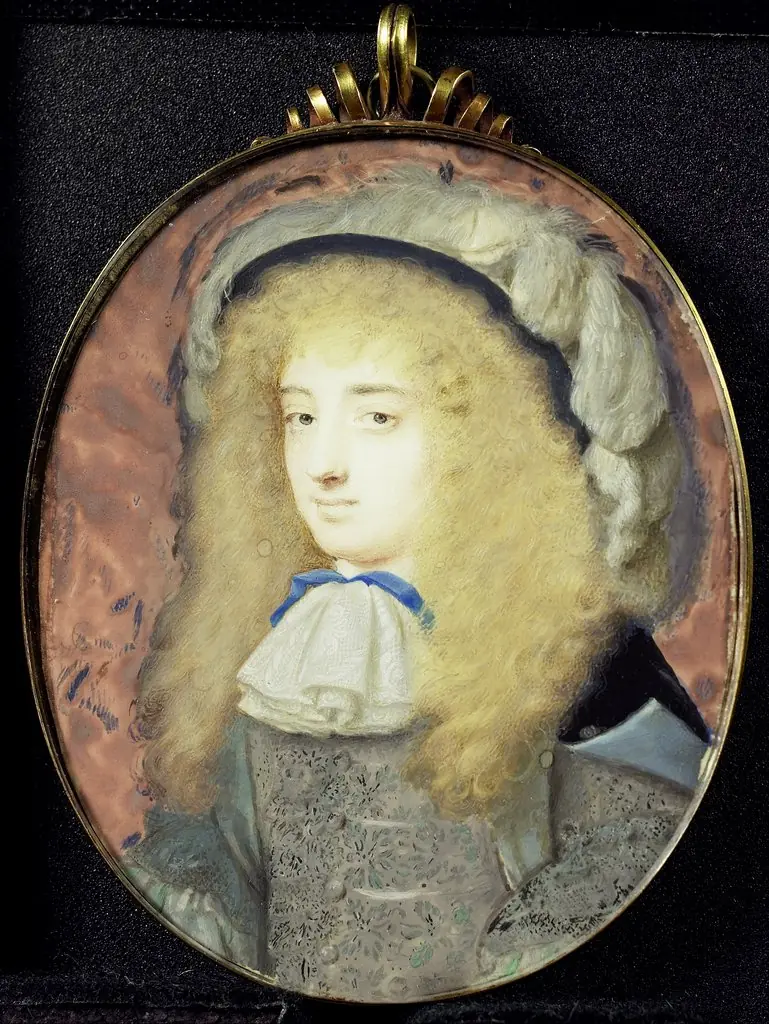 Frances Teresa Stuart (1647-1702), hertogin van Richmond en Lennox, in travestie
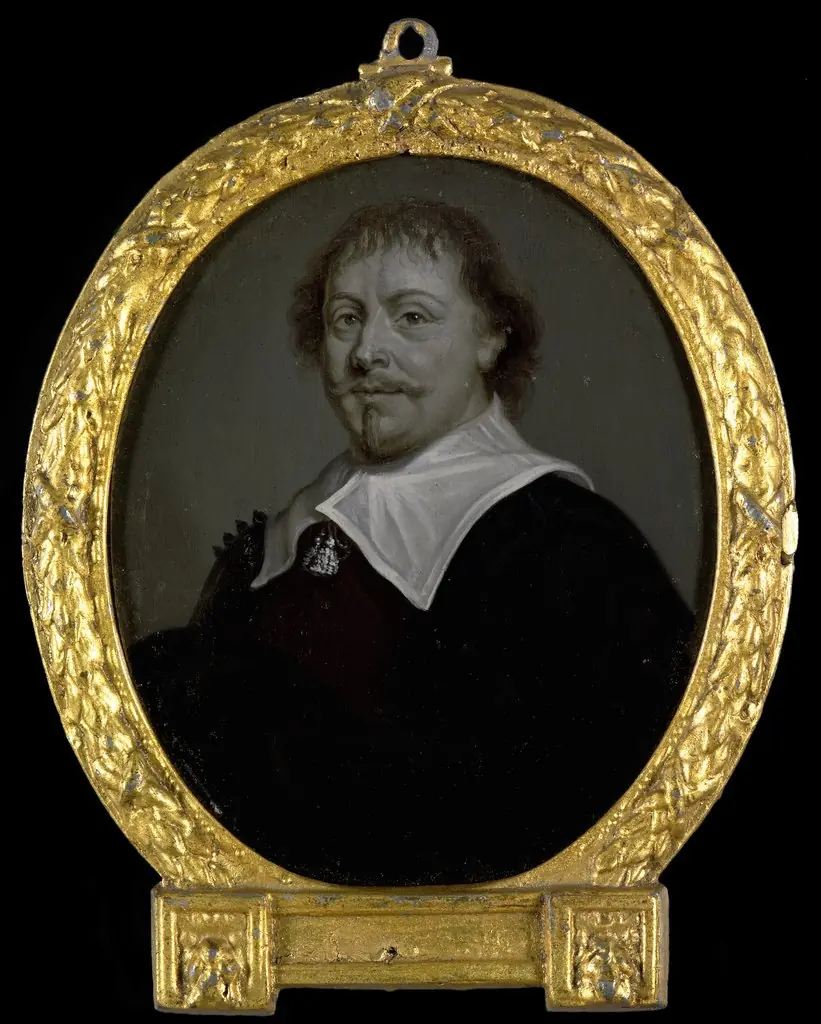 Portrait of Franciscus Planté, Clergyman at Zevenbergen and in Brazil
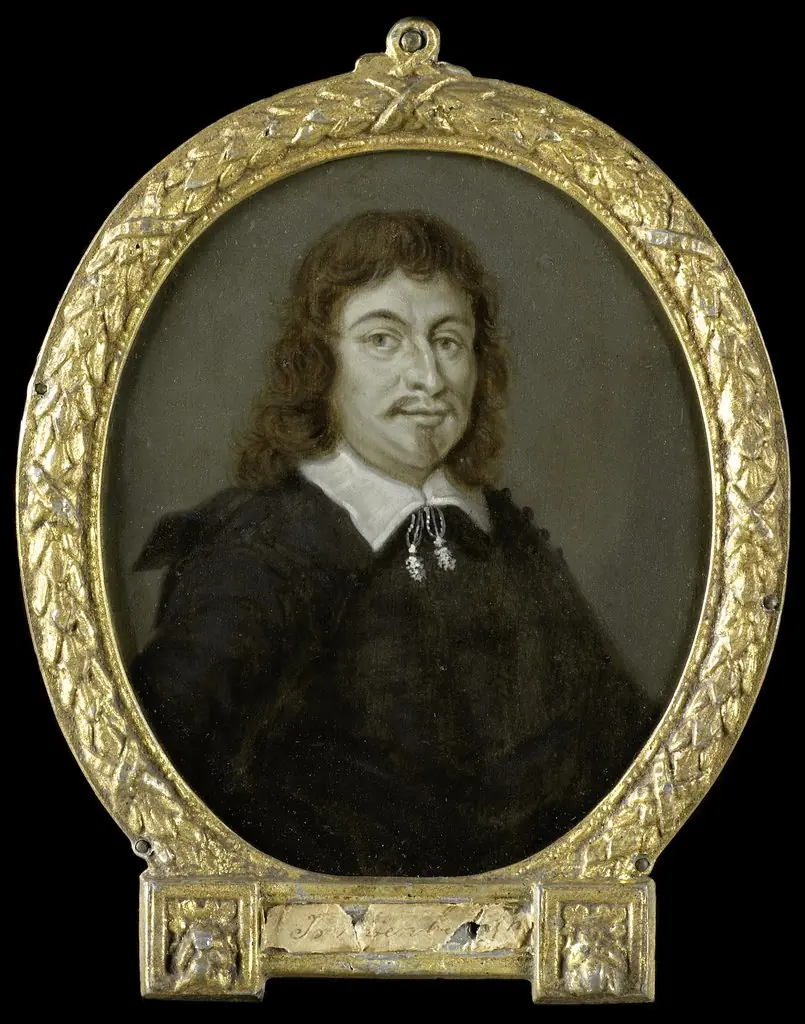 Portrait of Johan van Nijenborgh, Poet in Groningen
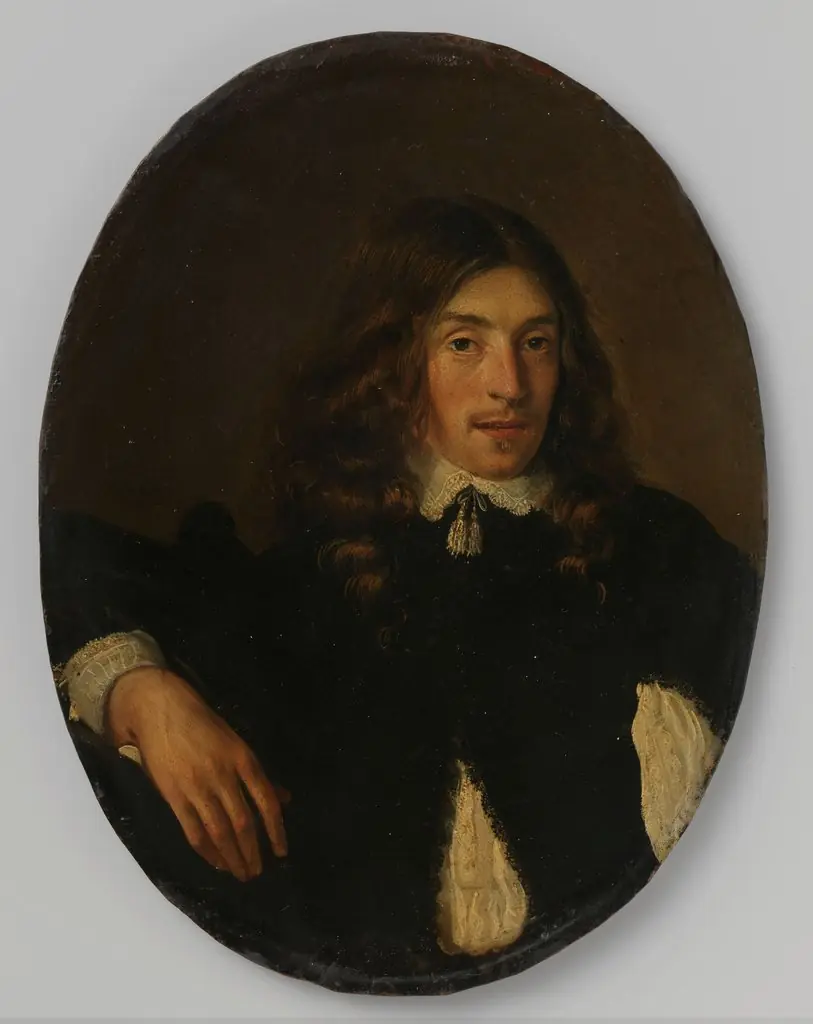 Portrait of a young man
 Maria Teresia of Austria, Queen of France and Navarre