The Granite Bowl at the Lustgarten, Berlin by Johann Erdmann Hummel
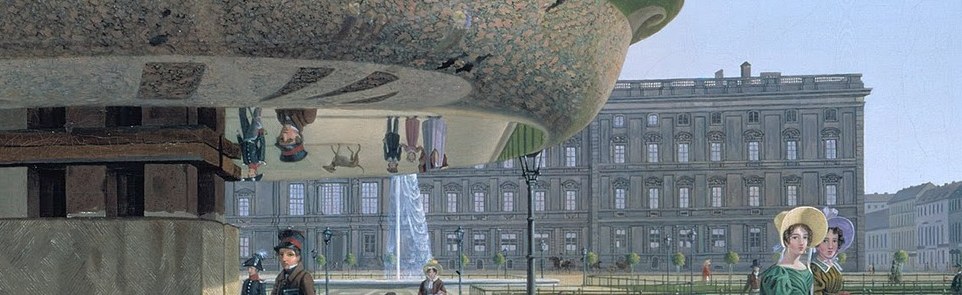
Johann Erdmann Hummel’s 1831 painting, "The Granite Bowl at the Lustgarten, Berlin," at the Art Institute of Chicago, offers a lively glimpse into public life in early 19th-century Berlin.
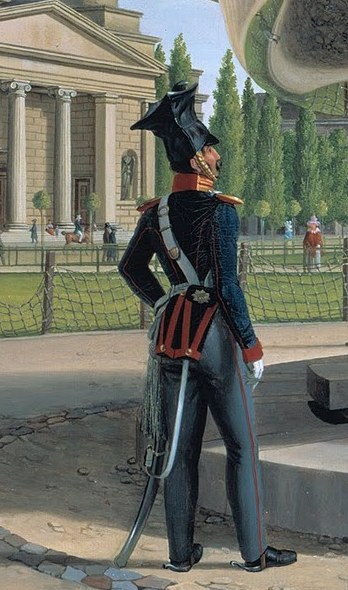
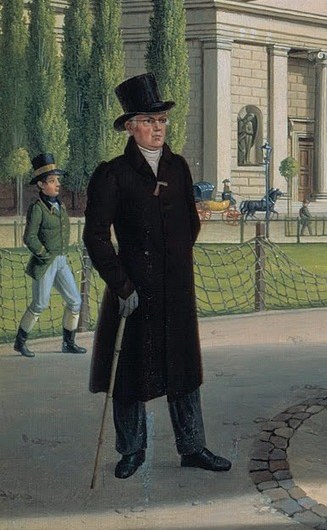
The massive granite fountain, reflected in its polished surface, anchors a scene bustling with people. From stern soldiers to elegant women and playful children, Hummel meticulously captures the diverse human interactions of the era.
Hummel was known for his precise rendering of architectural details and his ability to infuse everyday scenes with narrative depth. This work, executed during a period of urban expansion in Berlin, beautifully documents the interplay of civic and monumental spaces that defined the city's identity.
It’s a fascinating look at a moment in time, where monumental grandeur meets the quiet dignity of human connection. What details catch your eye?
Details
Transcript
A grand public square in Berlin, 1831. Amidst the grand architecture, life unfolds. A soldier stands rigid, formal, by the fountain. But near his feet, children play freely. This painter was known for capturing everyday human details. Here, a mother holds her child's hand gently.