Plum Brandy by Manet, Edouard
View the artwork: Plum Brandy →
Édouard Manet's "Plum Brandy" (c. 1877) hangs in the National Gallery of Art in Washington, D.C. It is a small, quiet canvas, barely 74 centimeters tall, that caused an outsized stir in late 19th-century Paris.
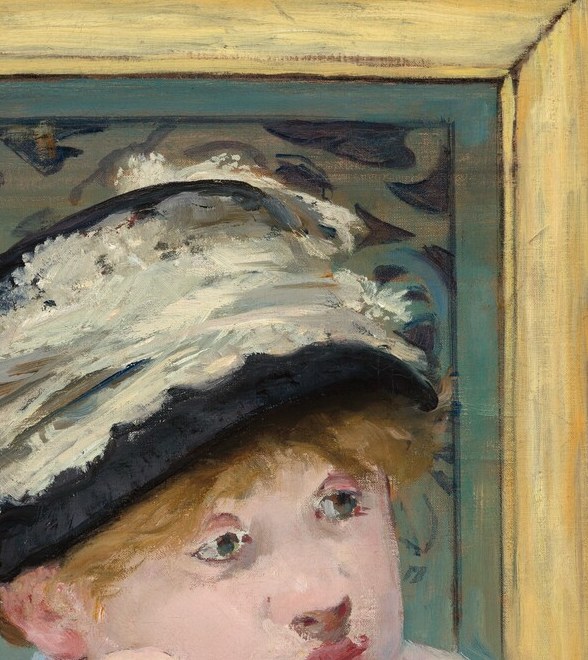
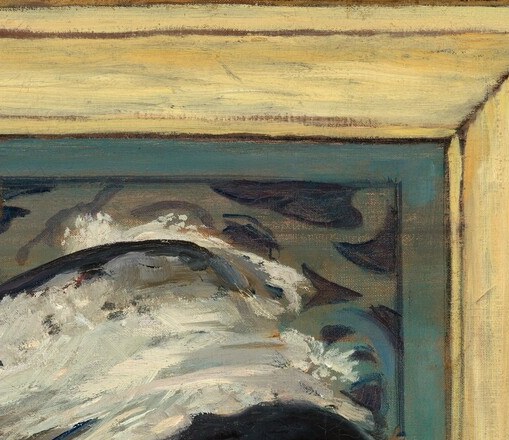
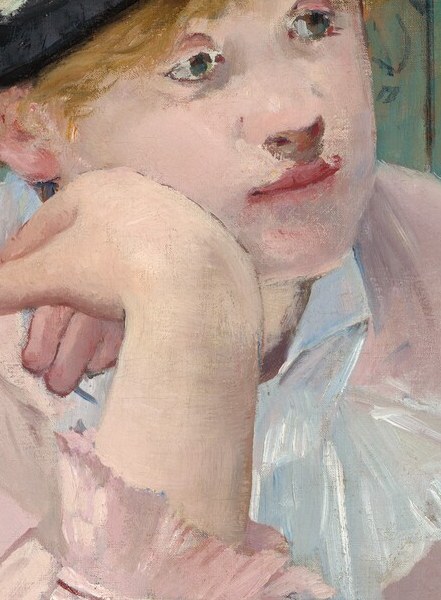
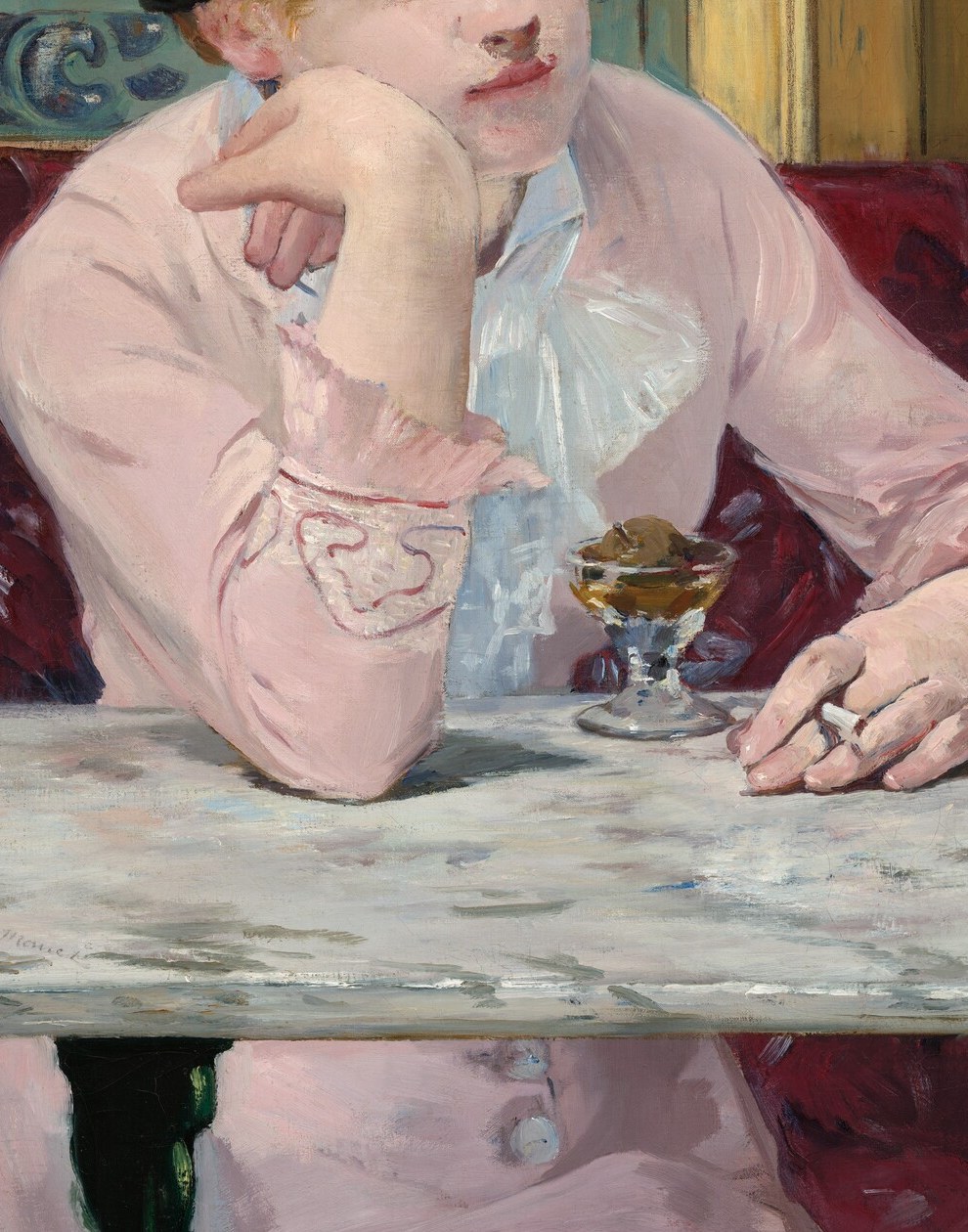
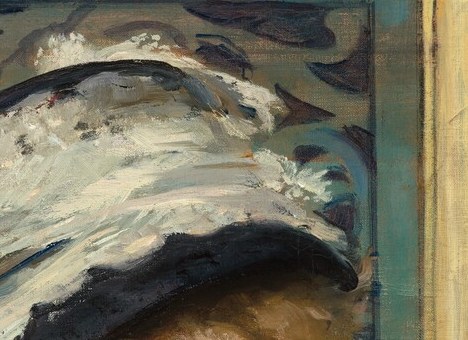
The painting shows a lone woman at a marble cafe table. She wears a fashionable hat and a loose pink dress, but nothing about her posture invites company. Her chin rests on her hand, her gaze drifts inward, and the plum brandy on the table sits untouched beside an unlit cigarette. Every object signals a pause she is in no hurry to end.
Manet painted this at a time when respectable women did not visit cafes alone. To show a solitary woman with a drink, even one she was not consuming, was to imply she might be a prostitute. The subject, not the brushwork, drew the outcry. Critics called it vulgar, and the painting's quiet refusal to explain itself only sharpened the charge.
Degas took on a similar theme the same year with his more famously despairing "L'Absinthe." Manet's figure is different, dreamy, not defeated, which made her all the more unsettling to an audience that wanted its moral judgements clear. What do you think she is thinking?
#arthistory #manet #impressionism
Details
Transcript
Paris, around 1877. A woman sits alone in a new kind of cafe. She wears a fashionable hat and a soft rose-pink dress. Her hand rises to her cheek, the classical pose of melancholy. Manet painted this the same year Degas showed his absinthe drinker. But this drink is untouched. Her cigarette, unlit. Critics called the picture vulgar. A woman drinking alone was indecent. Look at her eyes. She is not performing for anyone.