Portrait of a Man by Titian
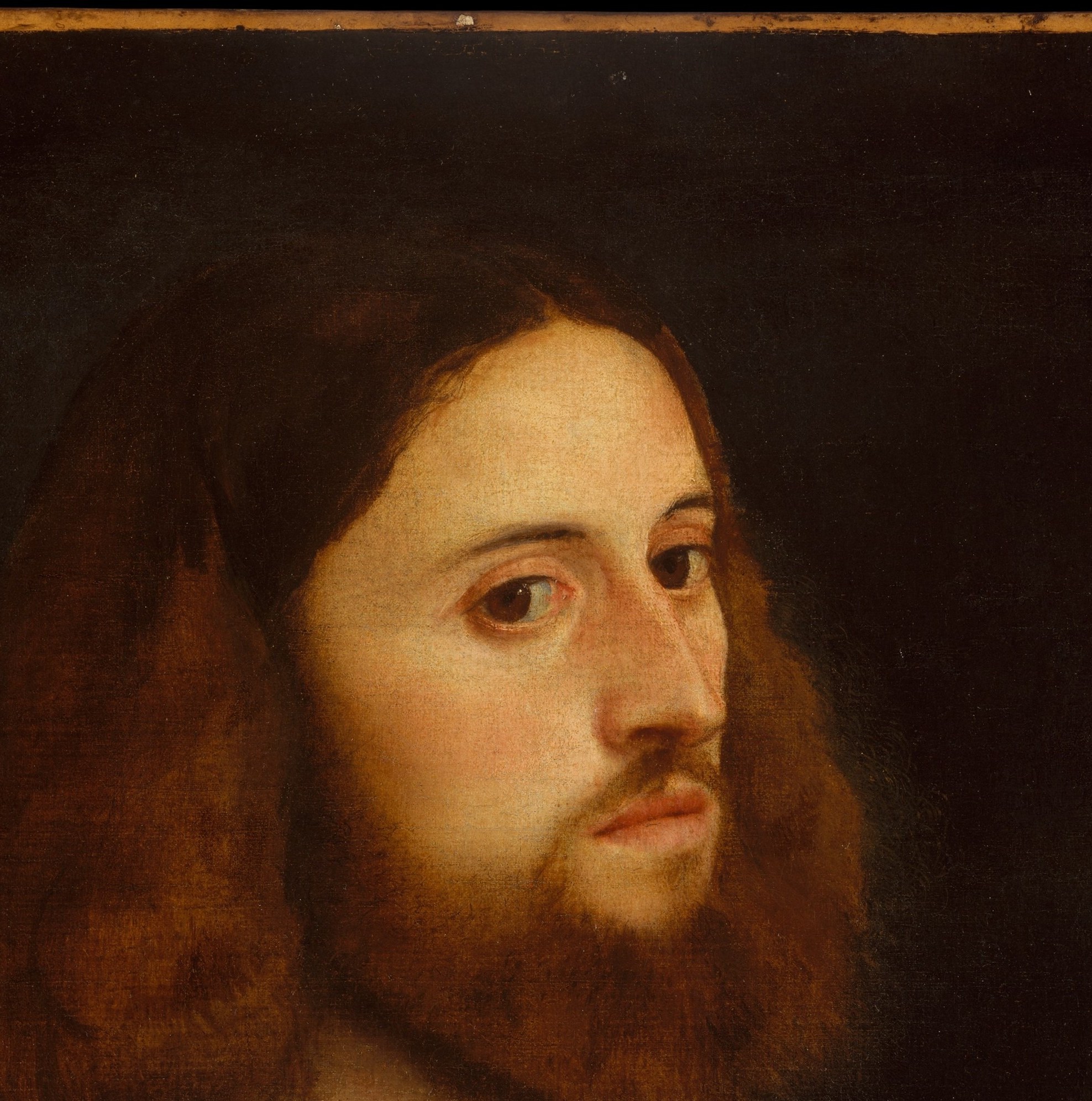
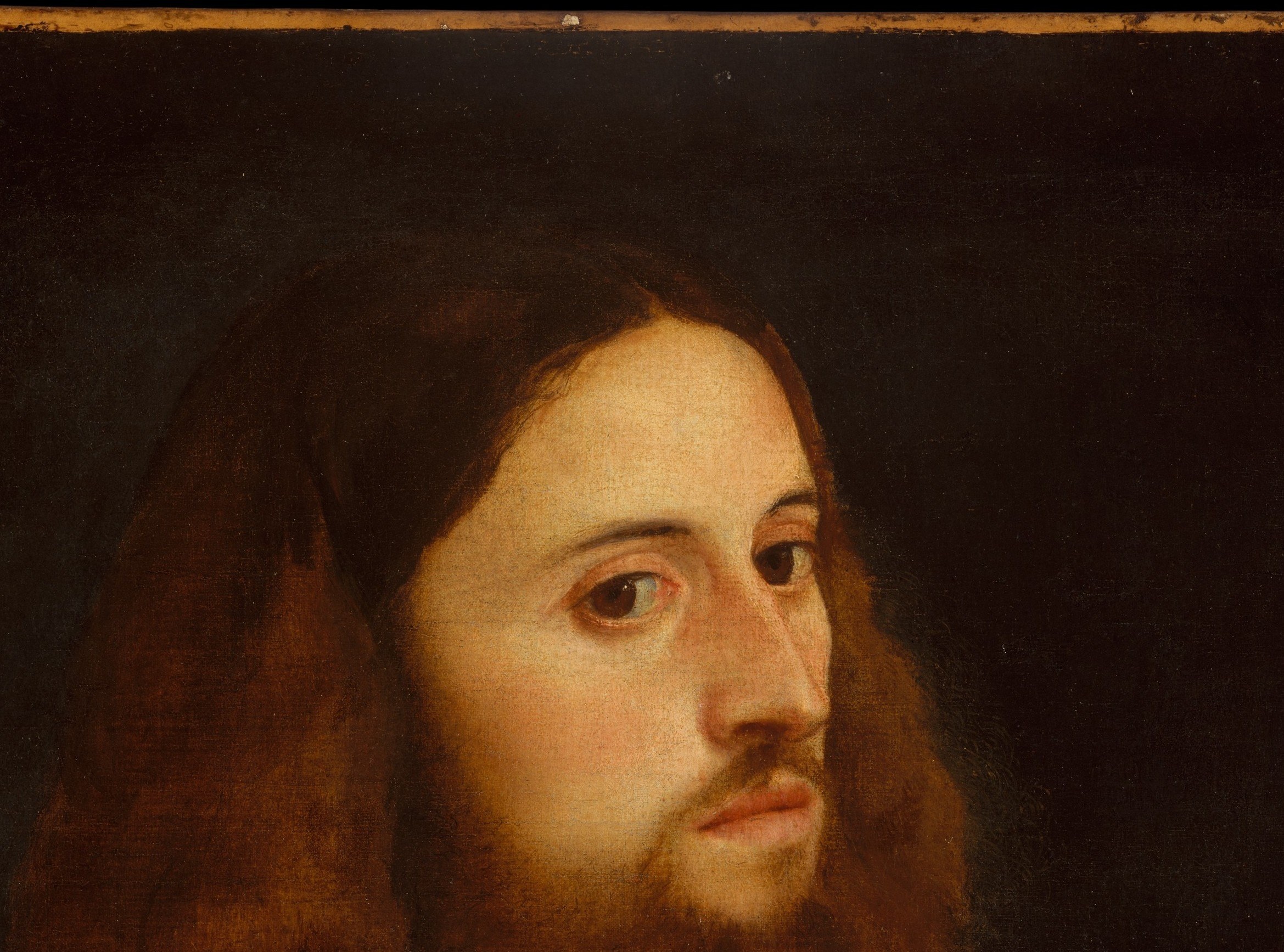
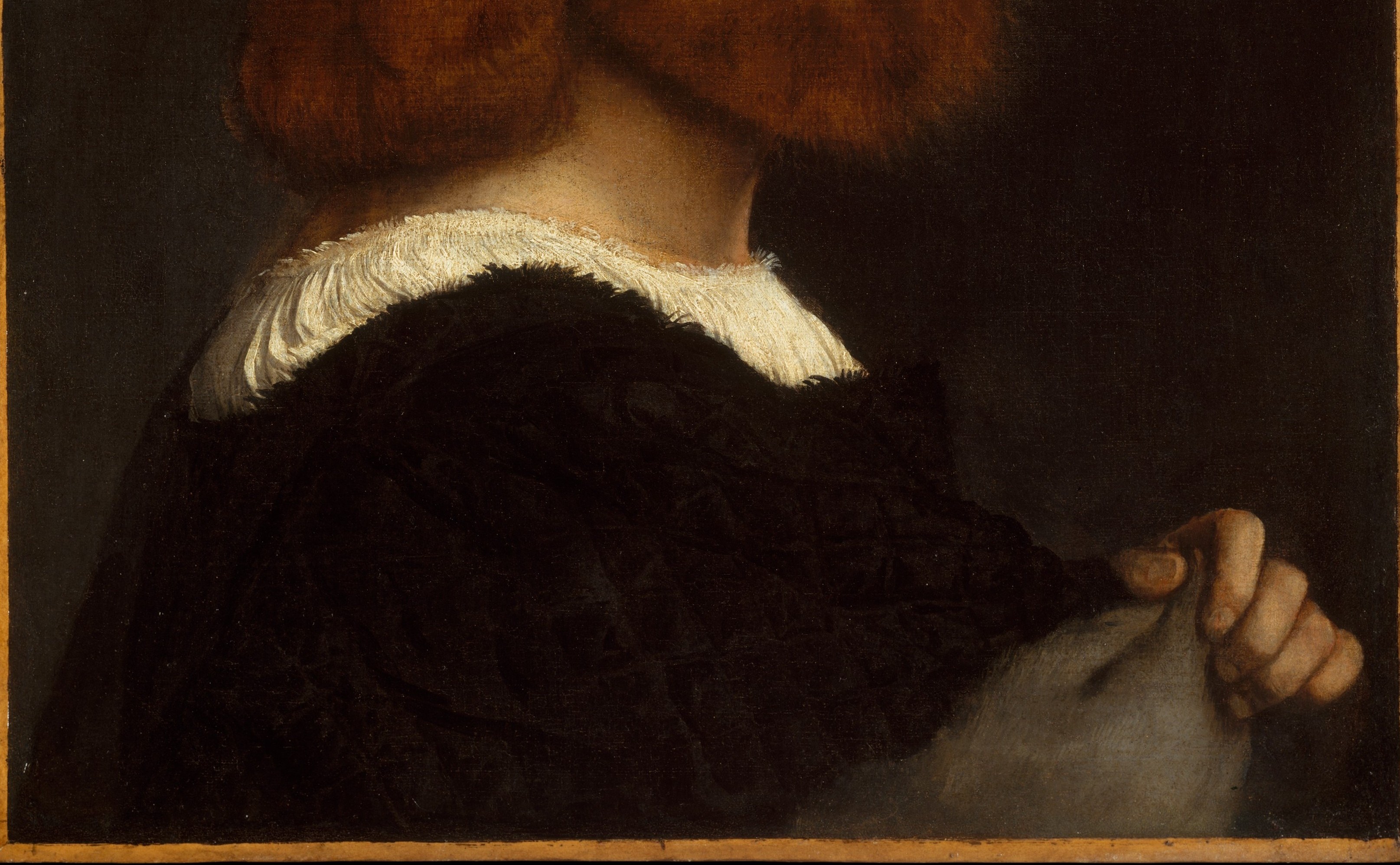
This is Titian's "Portrait of a Man," painted around 1512 and now in the Metropolitan Museum of Art. The most remarkable thing about it is that for a long time, the art world couldn't agree on who actually painted it. The attribution bounced between Giorgione, Palma il Vecchio, and Titian before a consensus finally landed.
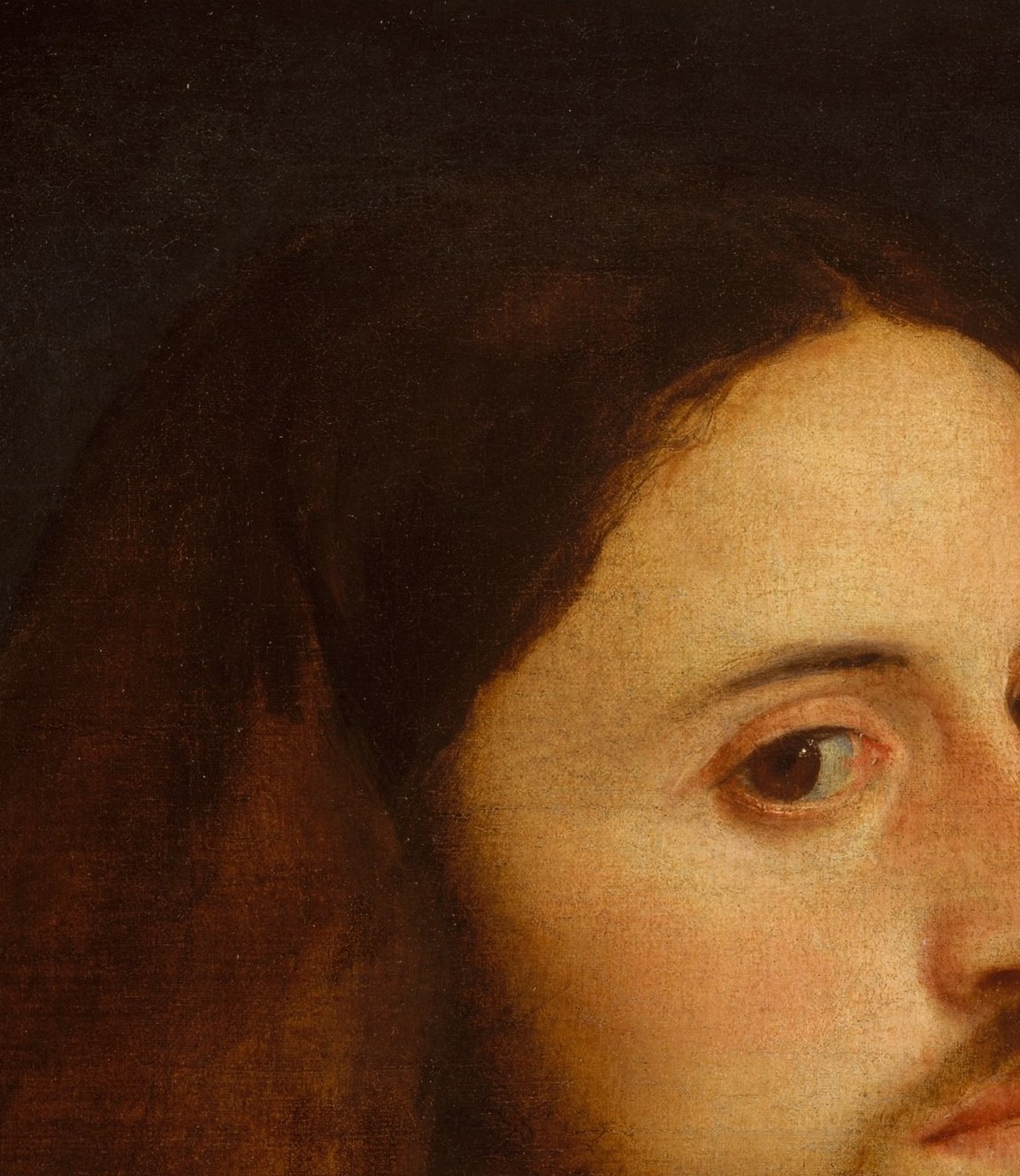
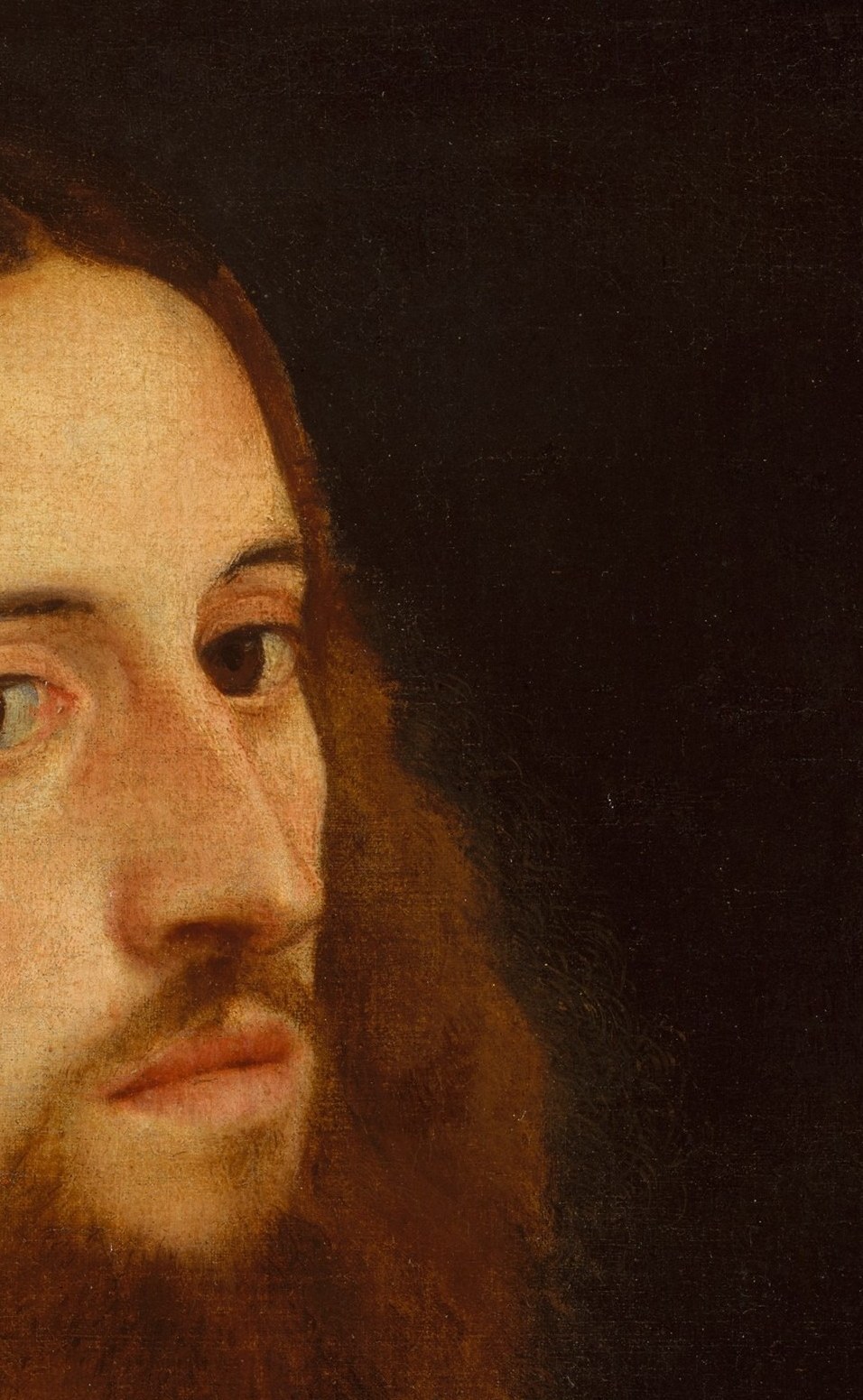
The key is in the light. Watch how the face emerges from a nearly black void. The stark illumination sculpts the left cheekbone while the right side of the face dissolves completely into shadow. This radical chiaroscuro, and the loaded brushwork in the auburn hair, became a signature Titian move that gave the painting's authorship away.
The portrait passed through the prestigious Grimani family collection in Venice before traveling to a London owner named W. Savage and then to the New York collector Benjamin Altman. Altman bequeathed it to the Met in 1913, securing its public future after centuries in private hands.
And still, we don't know his name. The direct gaze invites a personal recognition that history has denied us.
Details
Transcript
For years, no one could agree who painted this. Some said Giorgione. Others, Palma il Vecchio. But look at the way the light hits his face. That push from shadow into light is pure Titian. Scholars eventually agreed. The brushwork gave him away. It hung in a Venetian palace before crisscrossing Europe. A London collector. A New York magnate. Then, the Met in 1913. Yet the man in the portrait remains unnamed.