Portrait of Juan de Pareja by Diego Velázquez
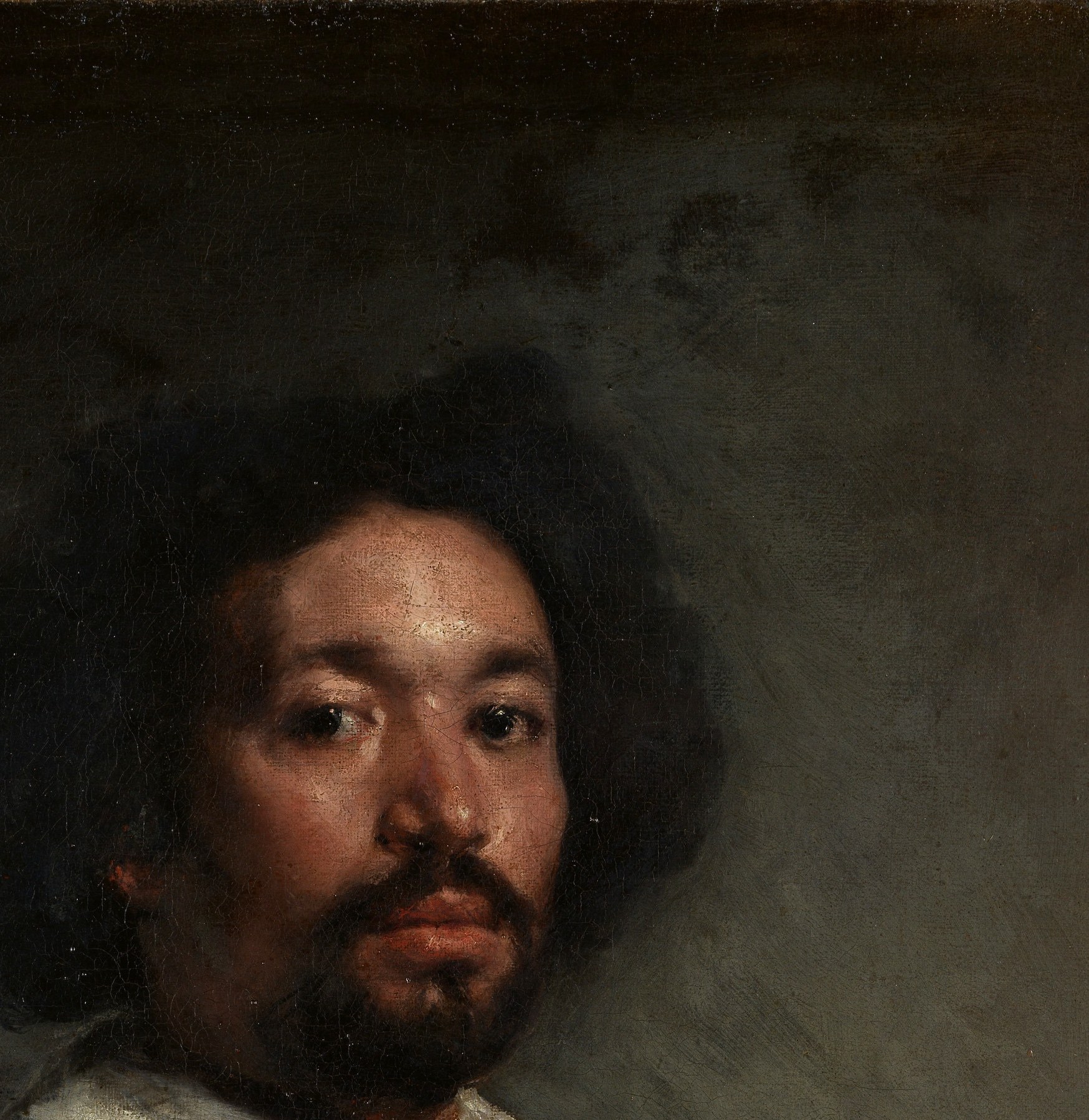
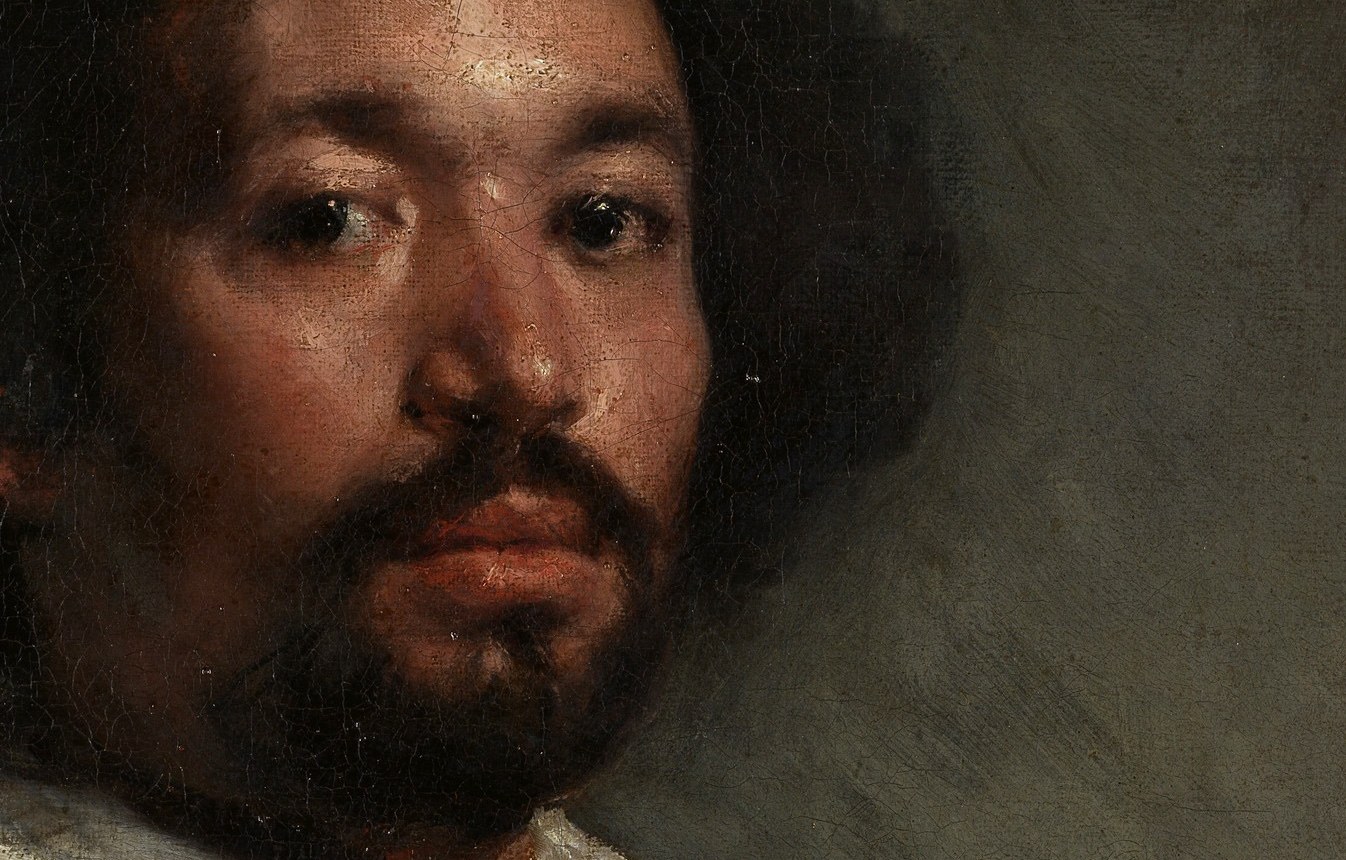
This is Diego Velázquez's 'Portrait of Juan de Pareja', painted in Rome in 1650 and now a centerpiece of the Metropolitan Museum of Art's collection. At the time of the sitting, Juan de Pareja was legally enslaved by the artist. Velázquez painted him anyway, with a directness and gravity reserved for popes and kings, and later that same year signed the papers granting him his freedom.
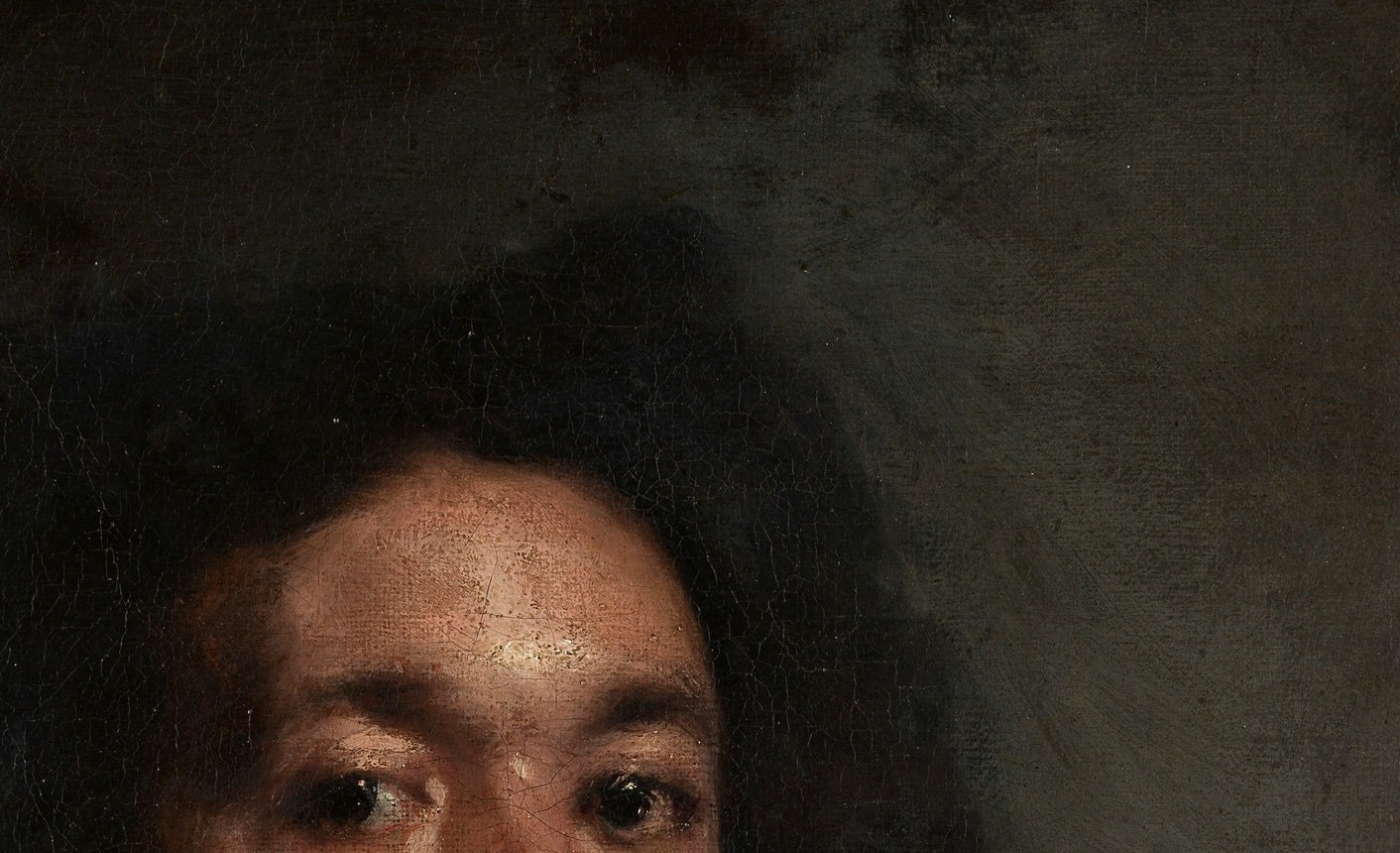
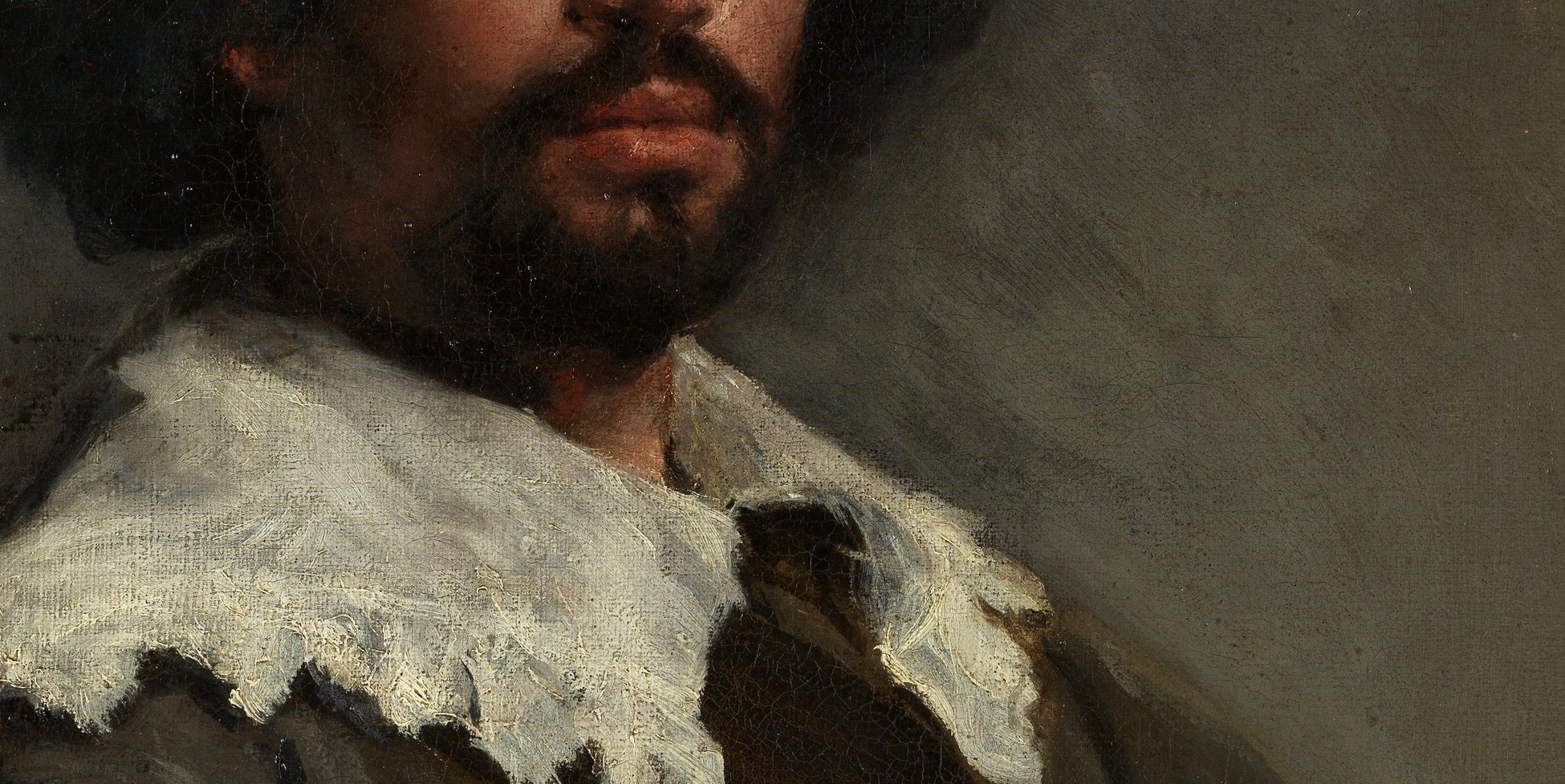
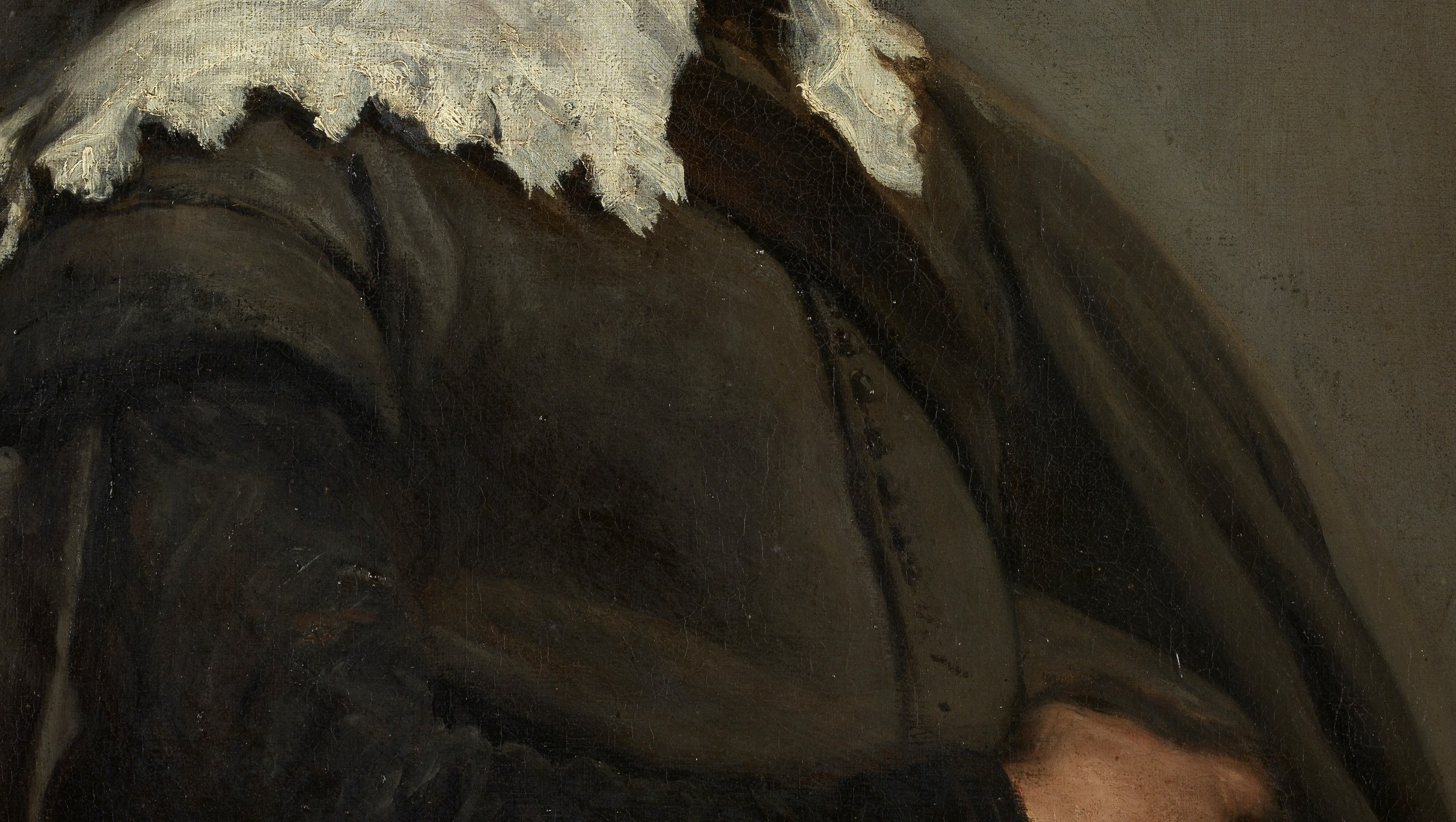
Look first at the eyes. The gaze is unflinching and self-possessed, a quality that stunned viewers when the portrait was shown at the Pantheon. Then notice the crisp white lace collar, an elaborate golilla style worn as a mark of social standing. The contrast between the status it signals and the subject's legal condition is deliberate and quietly radical. The crossed arms, a pose of authority in 17th-century portraiture, reinforce the point.
The painting made history in the art market too. When the Met acquired it in 1970, it became the first artwork ever sold for more than £1,000,000, and the museum described the purchase as among the most important in its history. The price acknowledged not just a masterpiece of Baroque portraiture, but one of the earliest known portraits of a Spanish man of Moorish descent.
Juan de Pareja became a respected painter in his own right after gaining his freedom. His former owner had given him more than training. He had given him a face the world could not ignore.
Details
Transcript
This man was not the artist. He was the artist's property. Look at the eyes. They meet yours without permission. The collar is painted in sharp white lace. A status symbol, on a man who was enslaved. Velázquez took him to Rome in 1650, and painted this in the Pantheon. The Roman public saw it. They called it electrifying. Velázquez signed Juan de Pareja's freedom papers later that year.