A Shaded Avenue by Jean Honoré Fragonard
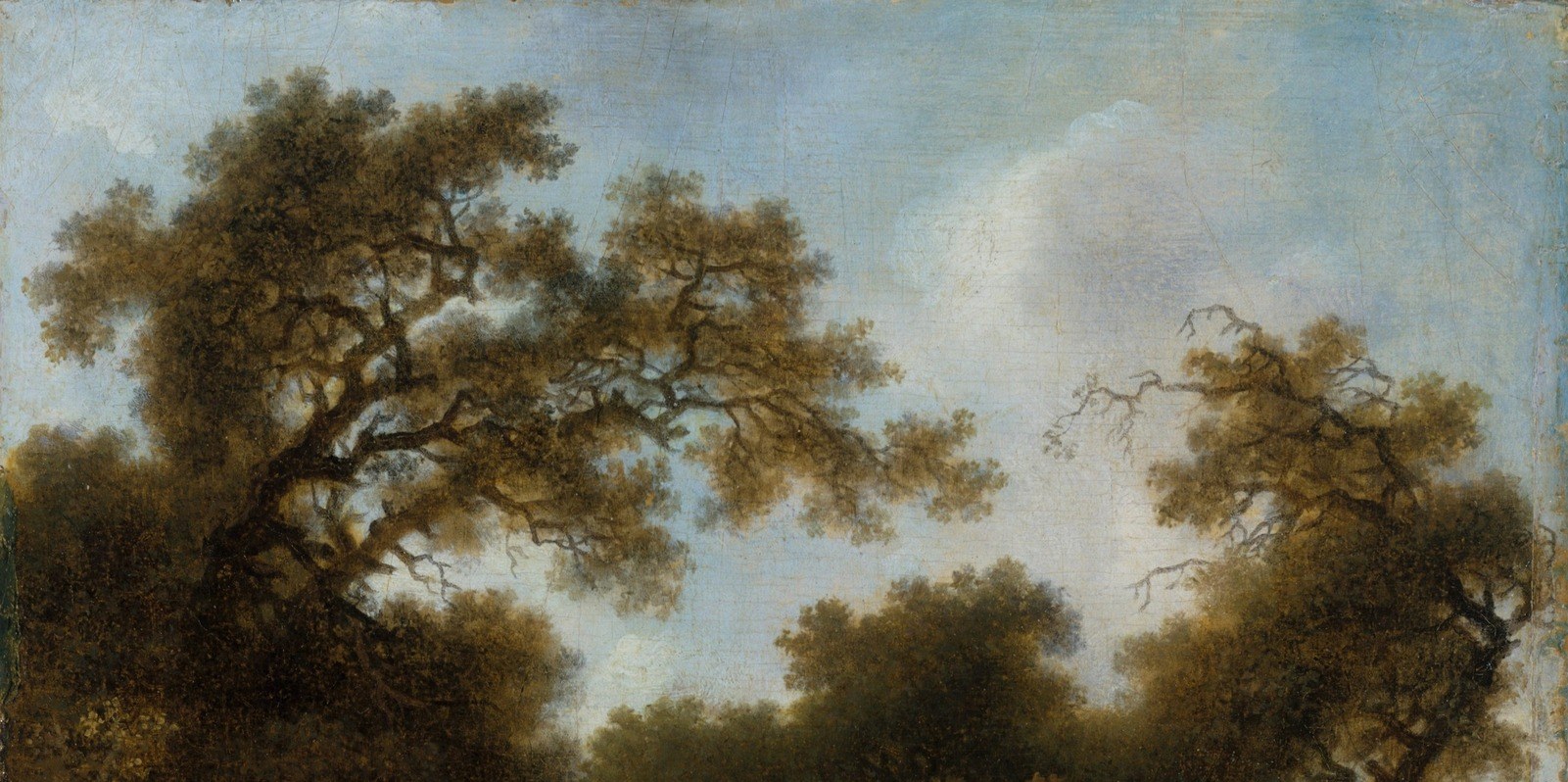
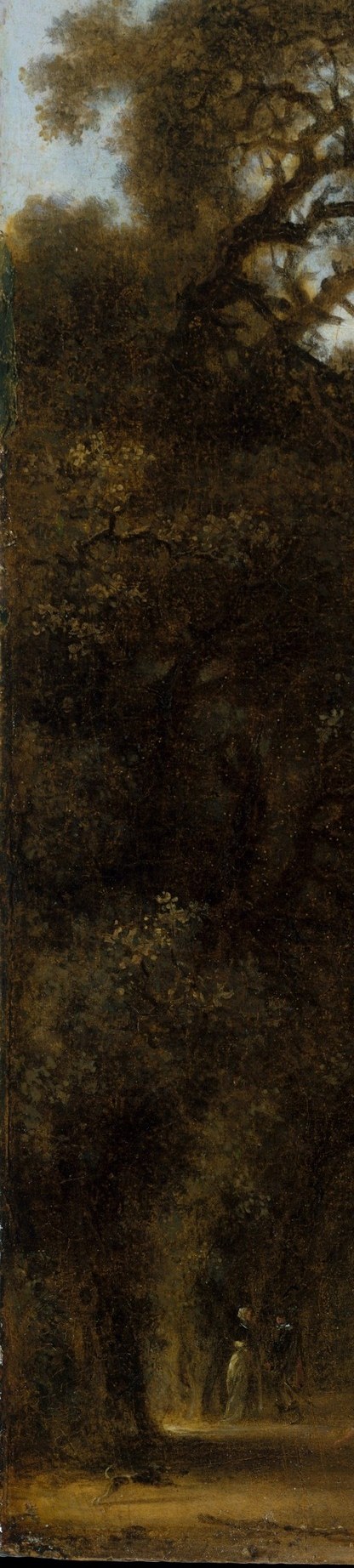
A Shaded Avenue by Jean Honoré Fragonard, painted around 1775, lives at The Metropolitan Museum of Art. It is a landscape that barely behaves like one. The subject is a garden path tunnelled by trees, but the real action is happening in the canopy, where paint is doing something that would not have a name for another hundred years.
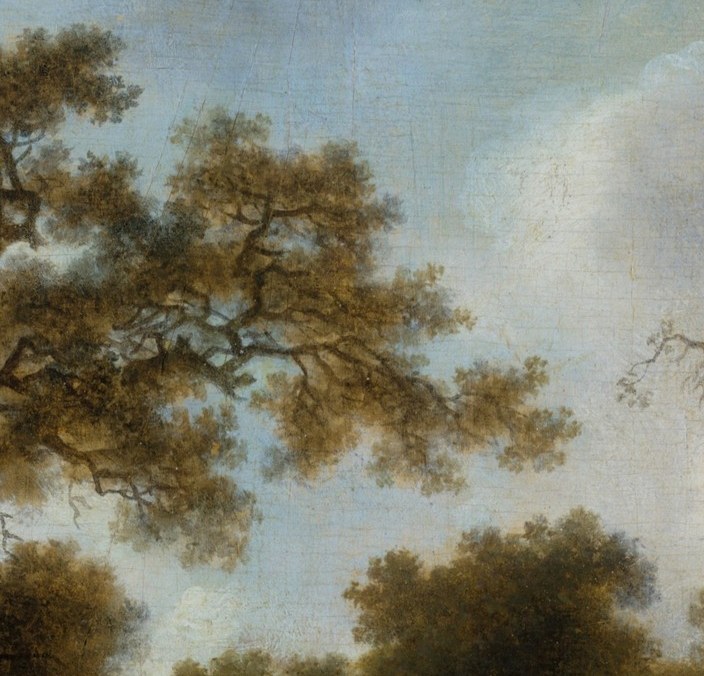
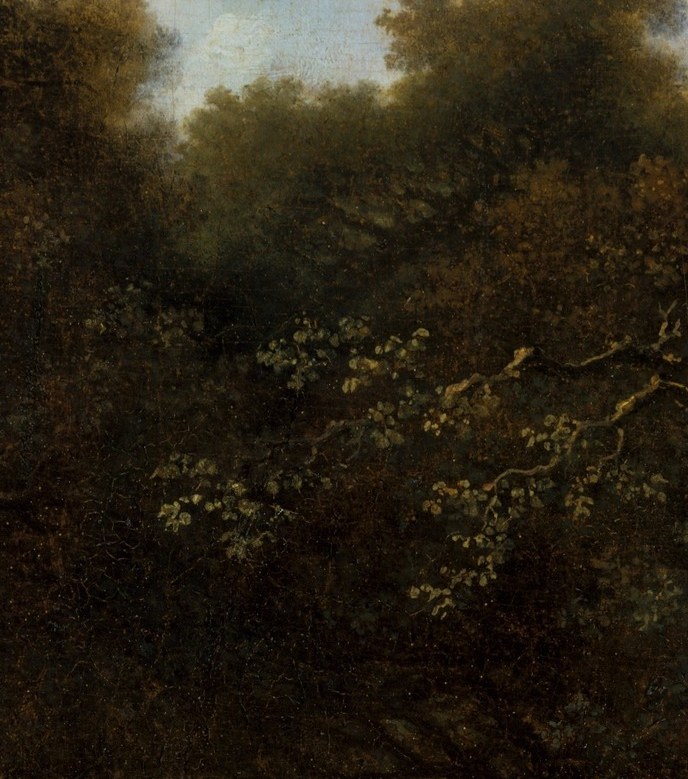
Look at the yellow-gold patches in the middle branches. Fragonard built them with short, dry flicks of ochre and yellow-green, laid down at speed and left alone. No blending, no smoothing. The brushstrokes sit right on the surface, and your eye does the work of turning them into sunlit leaves trembling in moving air.
This was 1775, and Fragonard was already famous for his erotic genre scenes and his effortless, hedonistic touch. Only five of his 550-plus paintings carry a date. Landscapes like this one were private experiments, made for himself or for close patrons, far from the Salon and its rules. The Metropolitan acquired the work as part of its 18th-century French holdings, where it quietly complicates the story of how modern painting began.
A century before Monet went into the garden, Fragonard stood in this avenue and let pure brushwork hold the light. What else do you see moving in the shadows?
Details

Transcript
Before Impressionism, there was this. Look up into the canopy. Those are not leaves. They are flicks of ochre and green. He laid them down fast, with a dry brush, and never blended. Your eye assembles the sunlight from pure gesture. Monet and Renoir would not arrive for another century.