The supper at Emmaus by Jan Steen
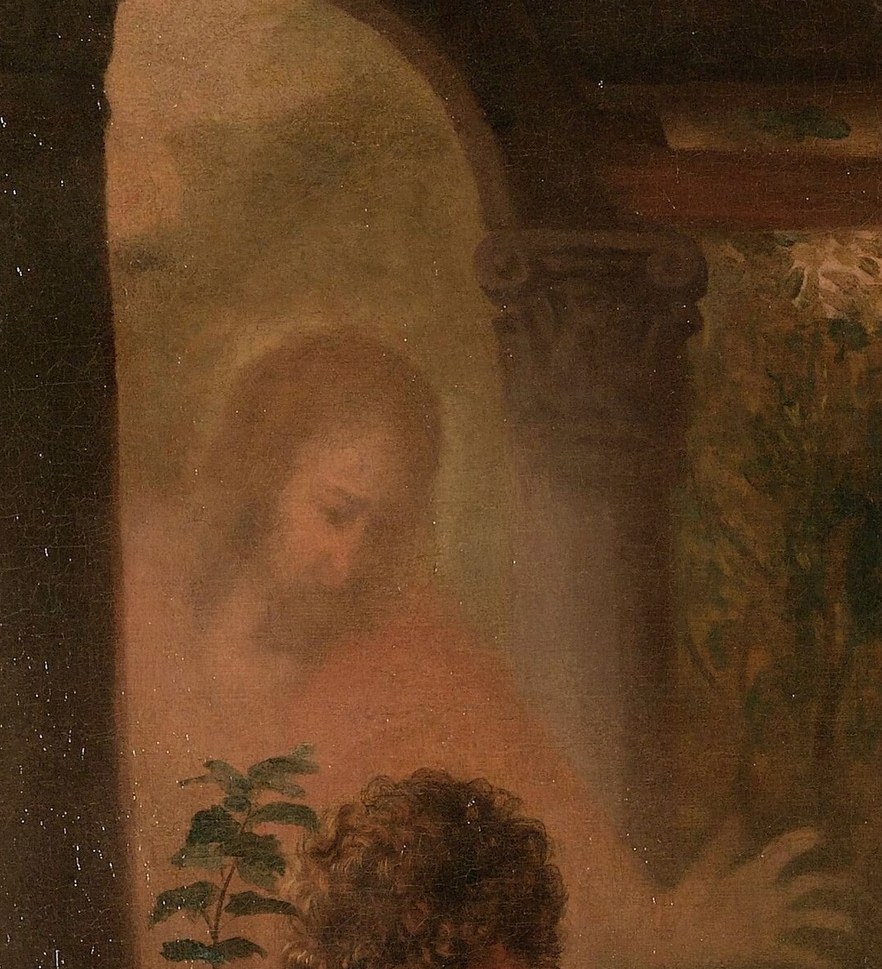
Jan Steen’s 1666 painting, "The Supper at Emmaus," at the Rijksmuseum, explores a familiar biblical narrative in a deeply human way. Rather than depicting Christ overtly, Steen focuses on the profound emotional responses of the disciples who have just recognized him.
Look closely at the figures around the table. One disciple covers his face, overcome with astonishment, while another seems to be in a deep slumber, oblivious to the sacred revelation occurring before him. Steen's genius lies in capturing these varied human reactions, from shock to serene contemplation.
Steen, a master of Dutch Golden Age genre painting, was renowned for his psychological insight and ability to infuse everyday scenes with deeper meaning. This work, created in 1666, showcases his nuanced approach to storytelling, grounding the divine in relatable human experience.
It's a powerful reminder that profound moments can unfold even in the most humble settings, often with an array of quiet, internal responses.
Details
Transcript
This painter shows a familiar story, but not in a familiar way. The central figure of Christ is implied, not directly shown. Instead, we see the human reaction to a divine moment. One disciple registers pure astonishment, hand on his forehead. Another has not yet awakened to the presence in their midst. The artist, Jan Steen, often depicted deep psychological insight. He captures the quiet awe of discovery, even for the weary.