The Denial of Saint Peter by Caravaggio
View the artwork: The Denial of Saint Peter →
Caravaggio painted The Denial of Saint Peter around 1610, the final year of his short, violent life. He was 38, exiled from Rome after killing a man, still pursued by a death sentence from the Pope. The painting now hangs in the Metropolitan Museum of Art in New York.
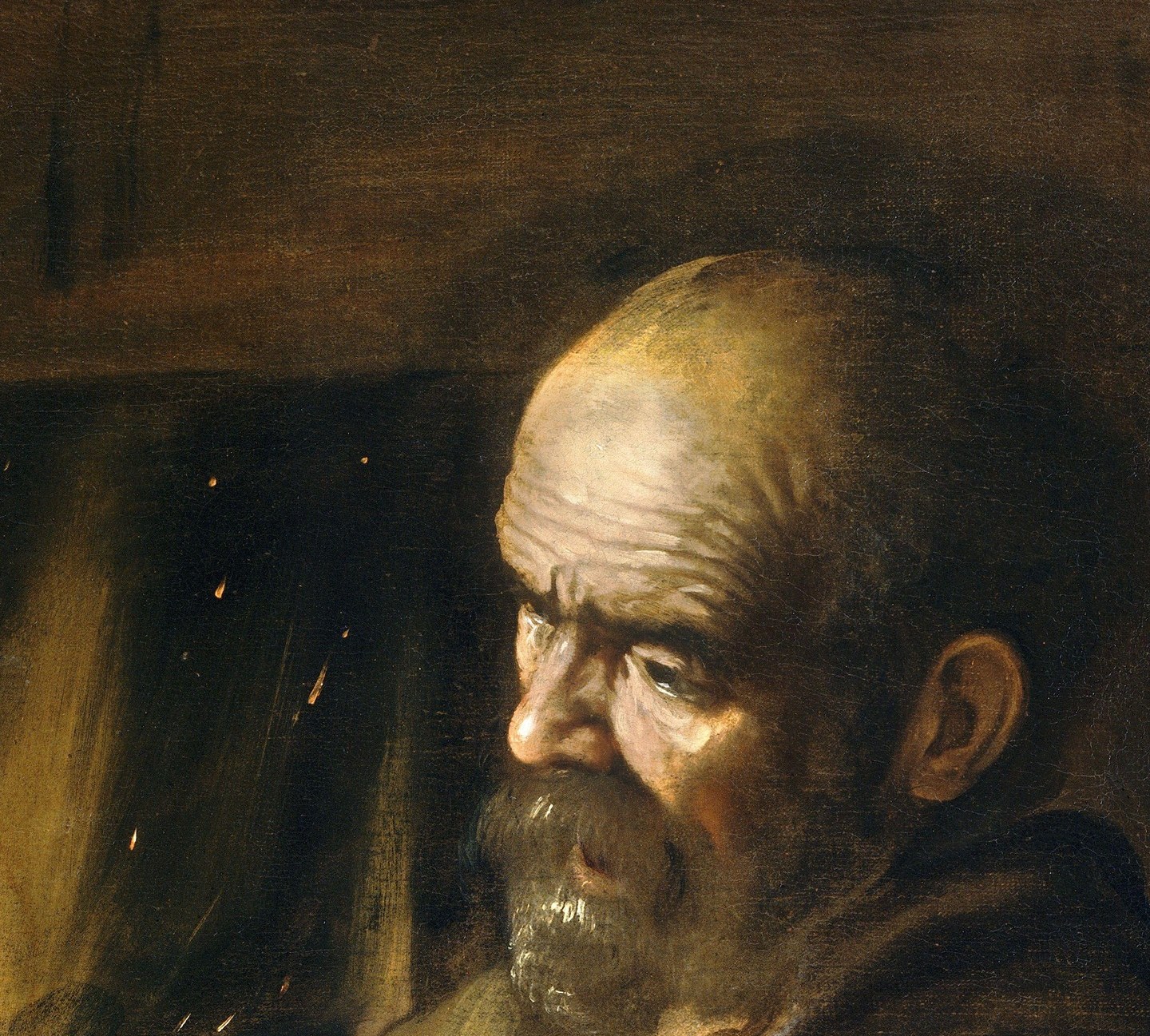
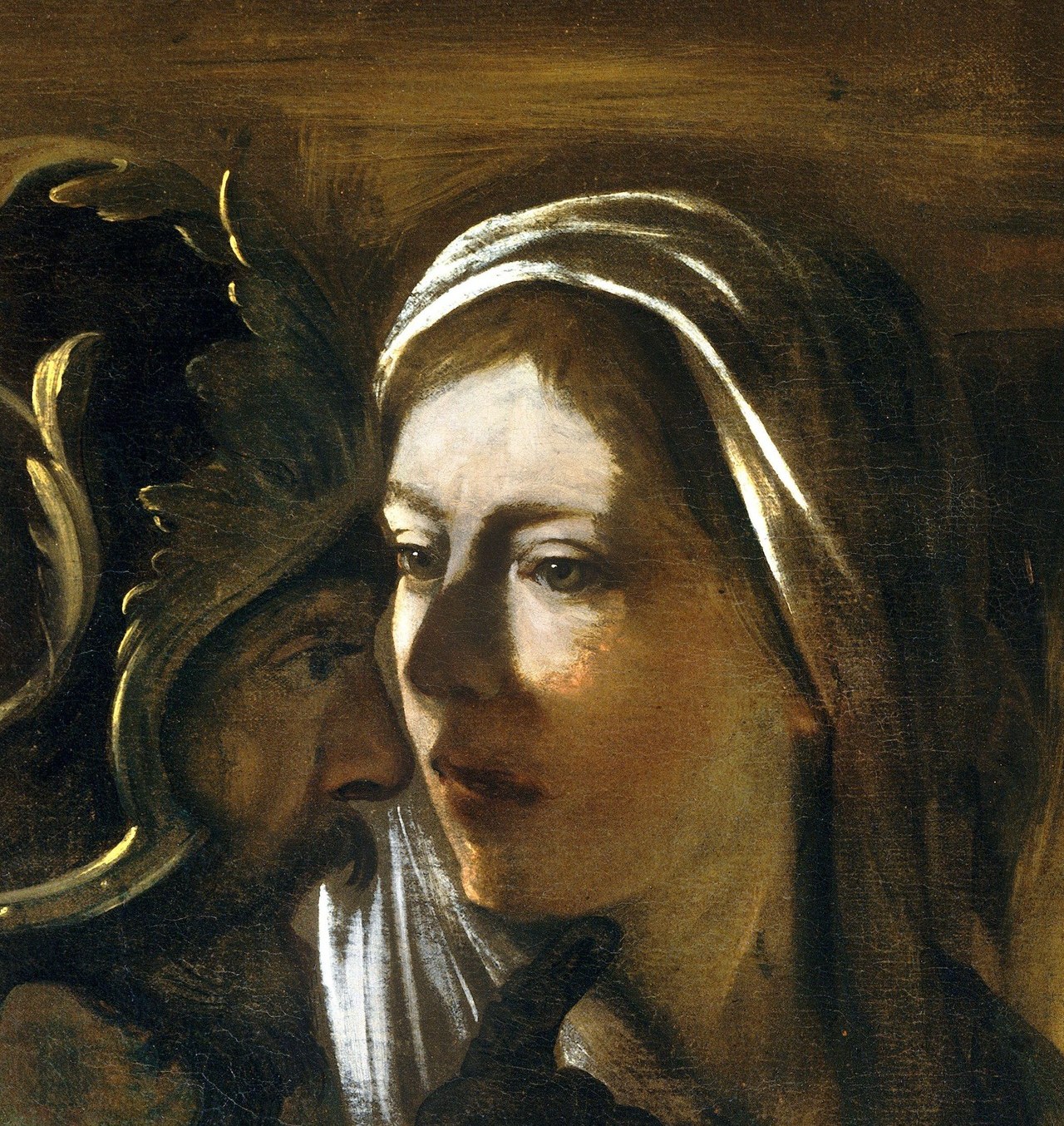
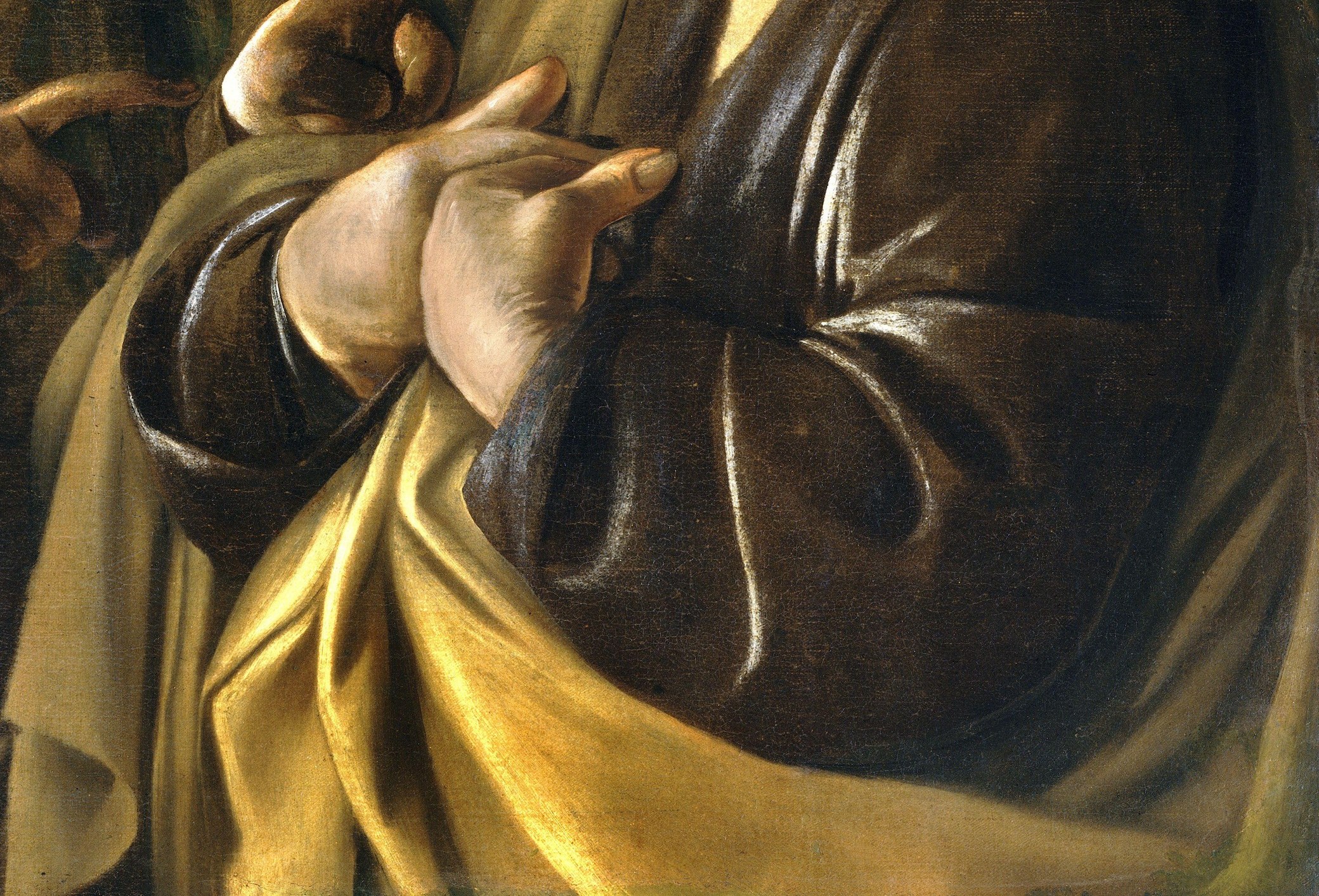
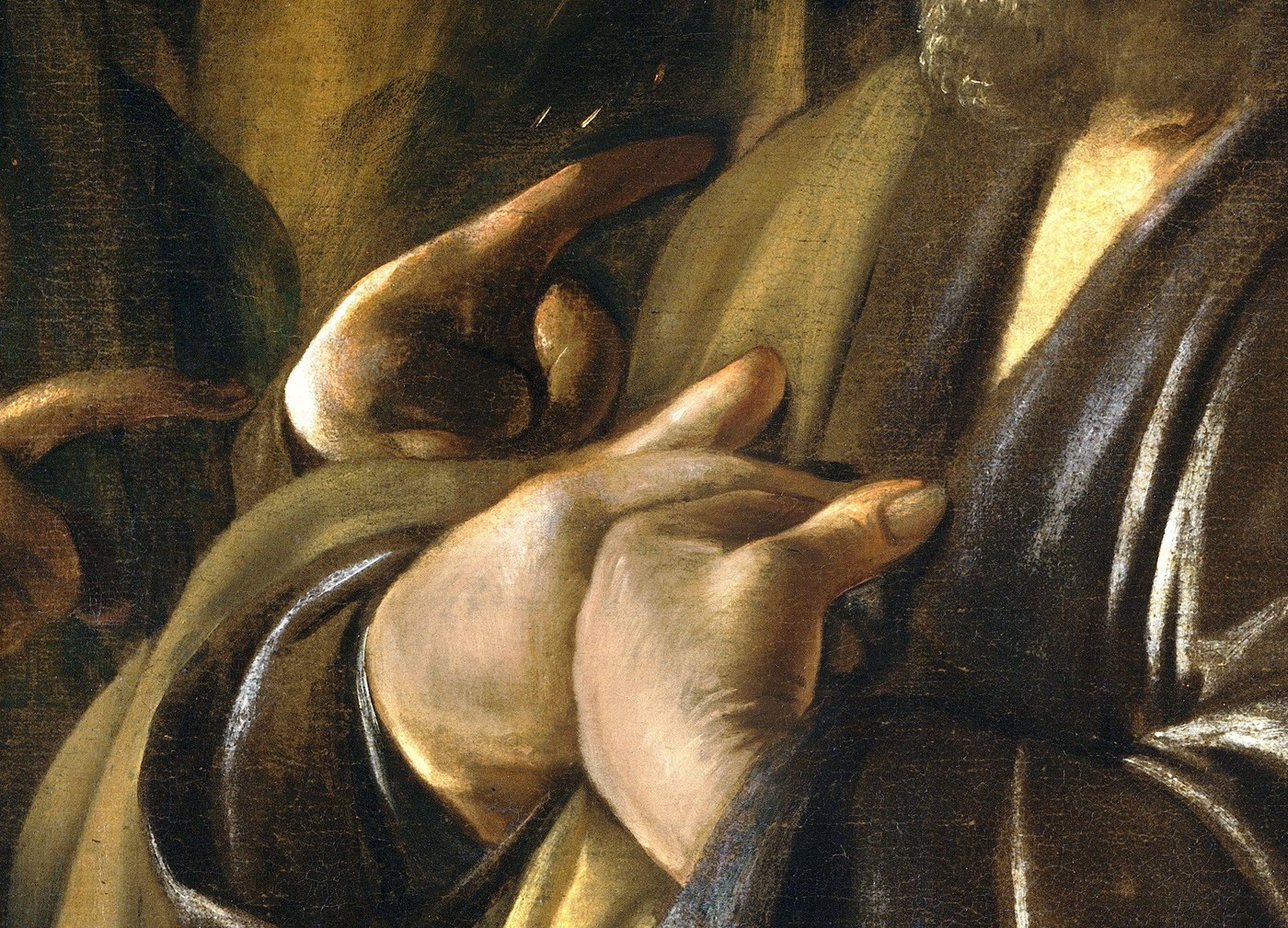
The scene turns on a small detail: the servant woman's three extended fingers. They carry the weight of biblical prophecy, foretelling the three denials Peter will make before the cock crows. Peter's crossed arms are his body's confession before his mouth speaks. His downcast eyes refuse to meet hers. Recognition on her face is more devastating than anger would be.
Caravaggio used the same people he found on the streets as models for the Apostles. A servant girl, not a magistrate or soldier, unmakes the rock of the Church. Her modest working clothes underscore the social reversal at the heart of the story.
The dark void behind them is not empty. In Caravaggio's tenebrism, it is spiritually charged, the darkness from which human failure emerges and into which a soul retreats. He knew that darkness from the inside.
#arthistory #caravaggio #baroque
Details
Transcript
Three figures, one question. A servant girl points at the man in gold. Three fingers for the three denials to come. Peter crosses his arms against his own chest. His face is guilt, fear, and knowledge at once. He cannot meet her eyes. Caravaggio painted this in the last year of his own life. He died at 38, alone, still running from a death sentence.