Two Pears on a Tabletop by Gifford, Sanford Robinson
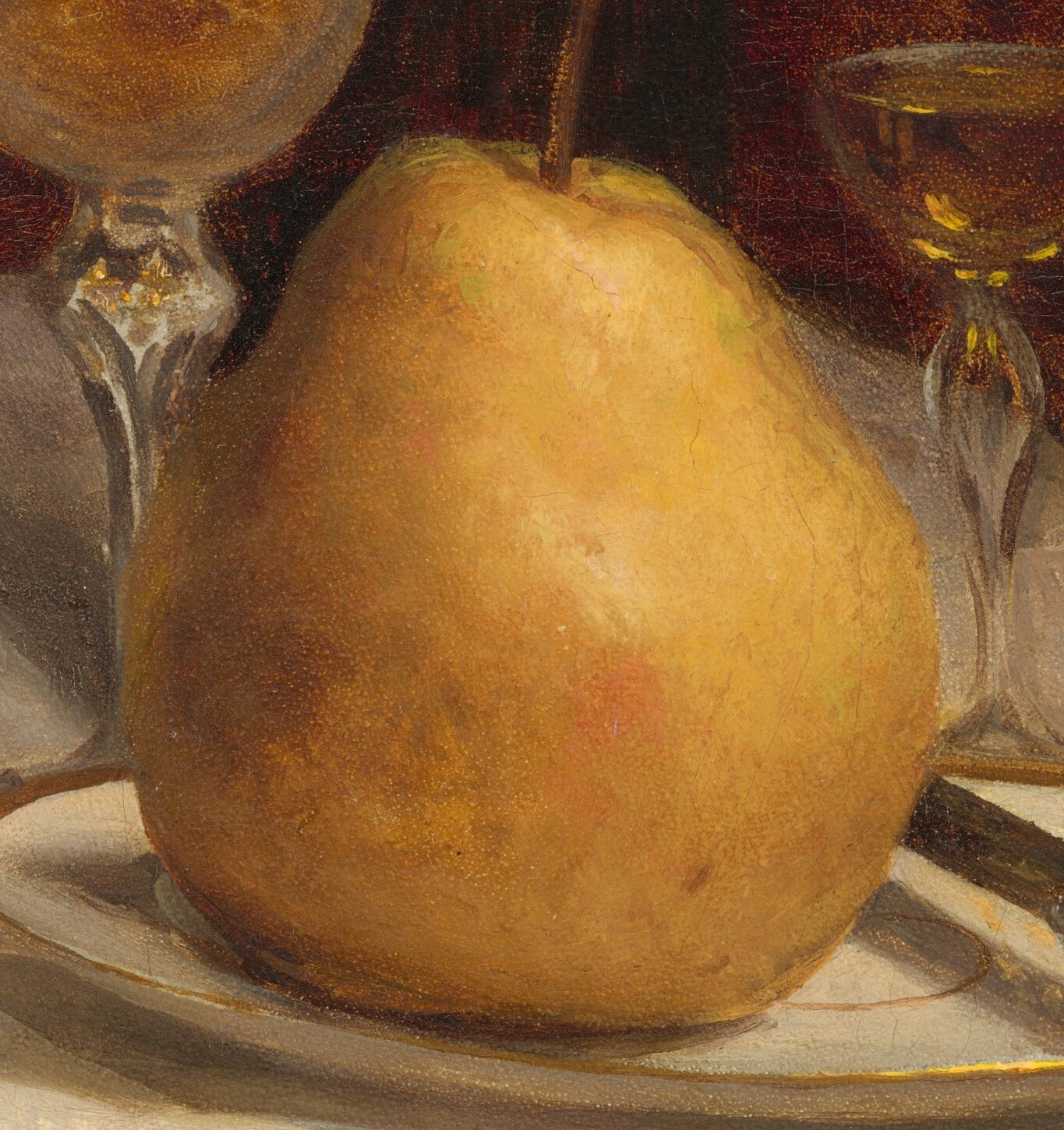
Sanford Robinson Gifford, renowned for his sweeping landscapes, also dabbled in still life, as seen in his "Two Pears on a Tabletop," painted around 1866 and now housed in an anonymous private collection.
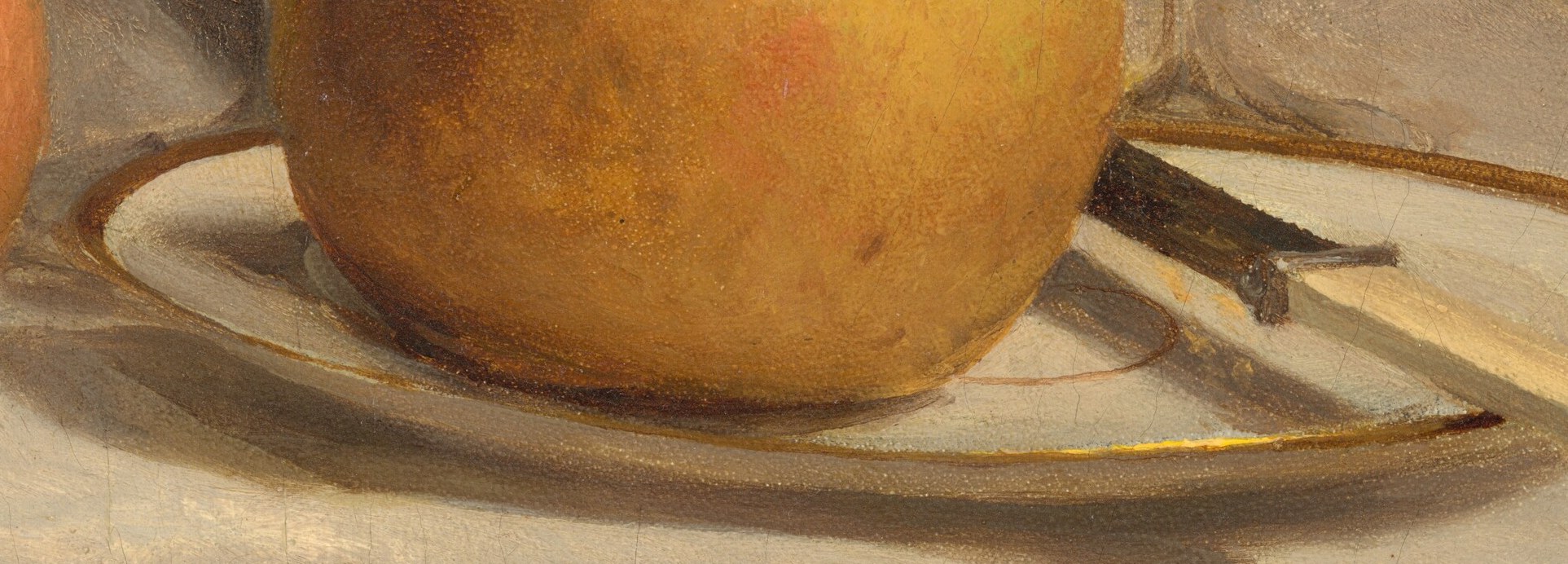
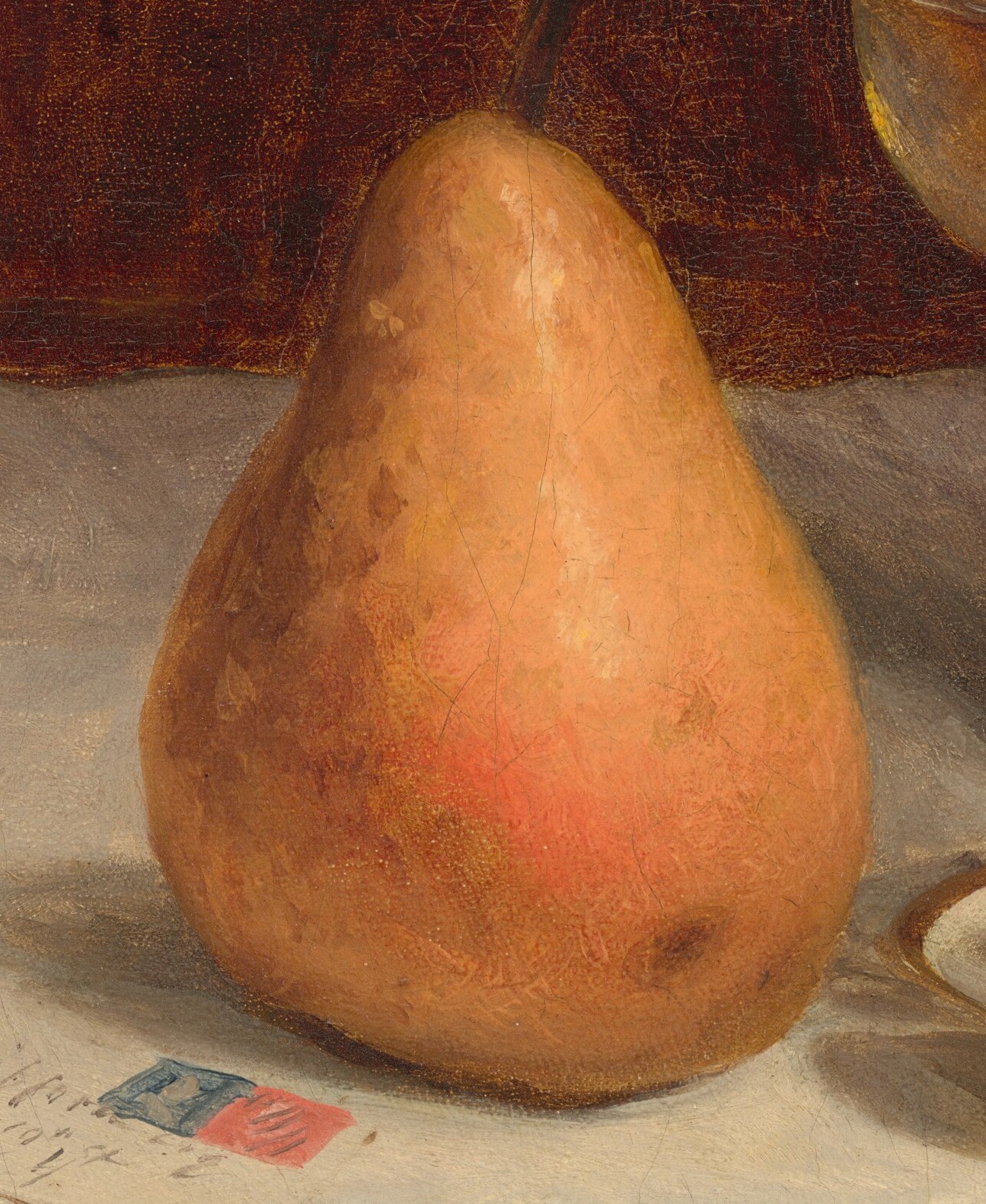
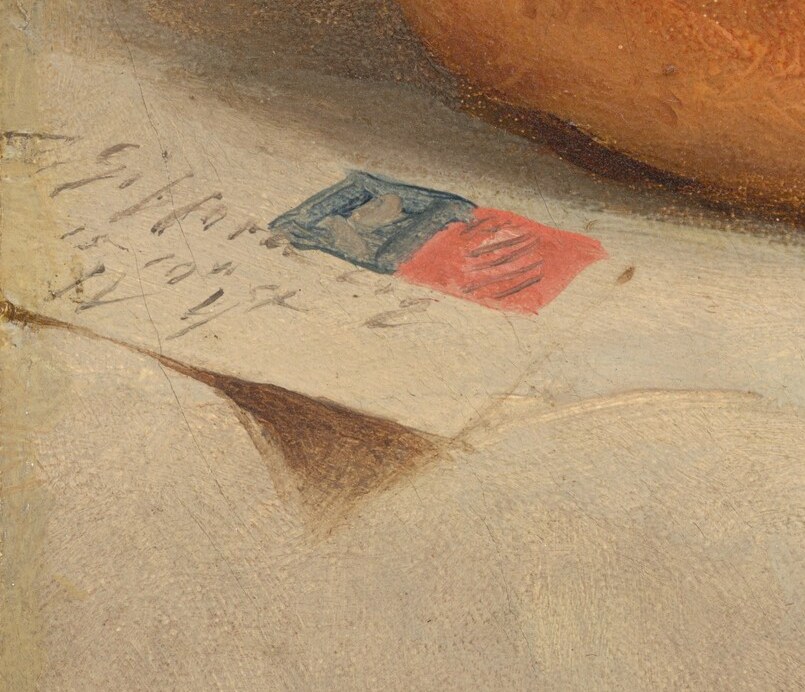
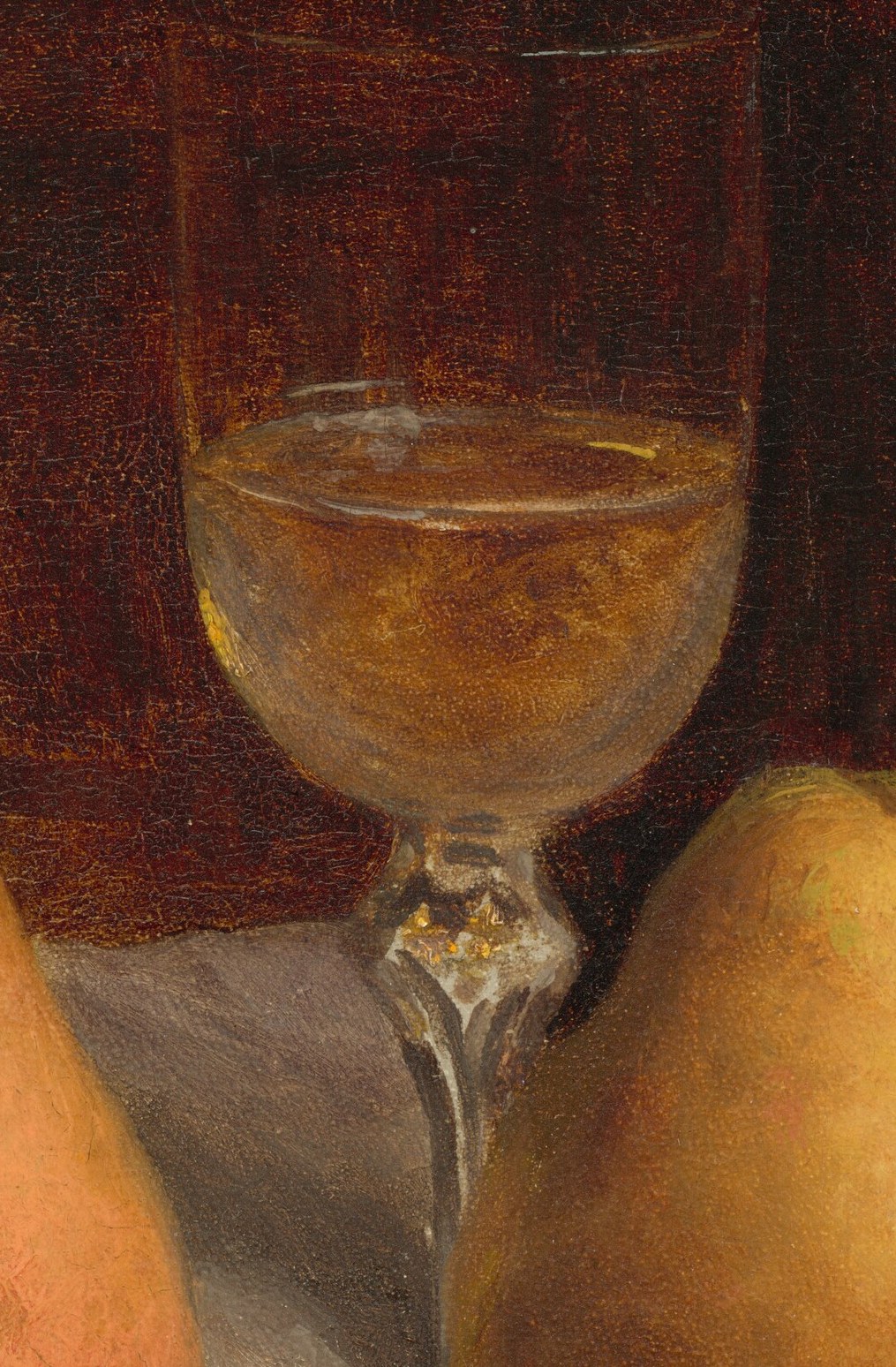
This small, intimate painting, featuring two pears on a plate with a glass and crumpled papers, reveals a lesser-known side of the artist's work. Gifford's meticulous handling of light and texture brings a surprising realism to these everyday objects.
Created during a period when Gifford explored different artistic directions, these still lifes were not met with the same acclaim as his landscapes. Critics and the public largely expected grander, more dramatic subjects from him, leading him to eventually abandon the genre and return to the scenes that made his reputation. The crumpled papers in the foreground might even hint at discarded plans or critical reactions.
What might the art world have missed by pigeonholing artists into a single style?
Details
Transcript
This painter was famous for vast, dramatic landscapes. So why paint two humble pears on a table? In 1866, he painted many still lifes, experimenting with realism. But his critics dismissed them, demanding more landscapes. The art world expected a grander subject from him. He went back to landscapes, and stopped painting pears.