Portrait of a Woman by Bernardino Campi
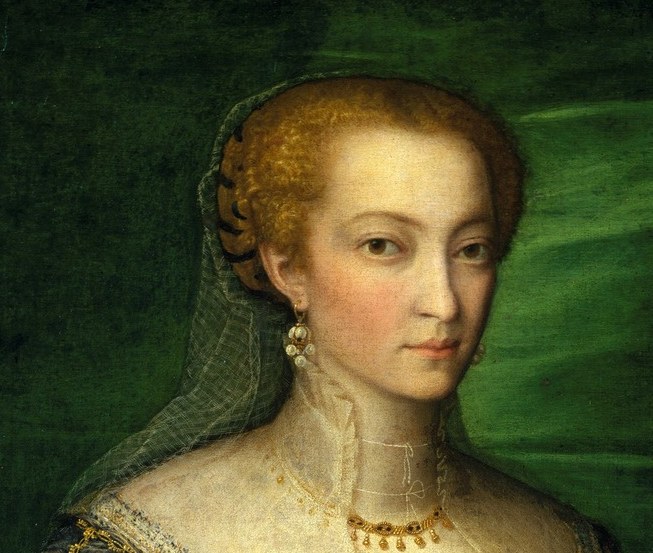
This is Bernardino Campi's *Portrait of a Woman*, painted in oil around 1560 and now in the collection of The Metropolitan Museum of Art. It looks like a straightforward aristocratic likeness, but to a 16th-century viewer it was a perfectly legible text.
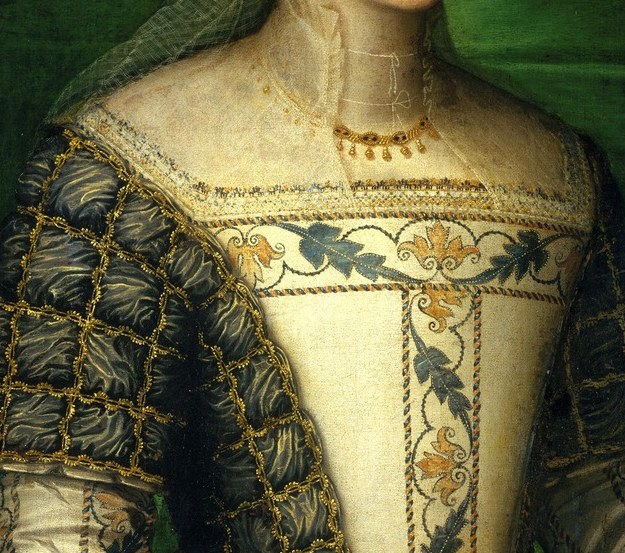
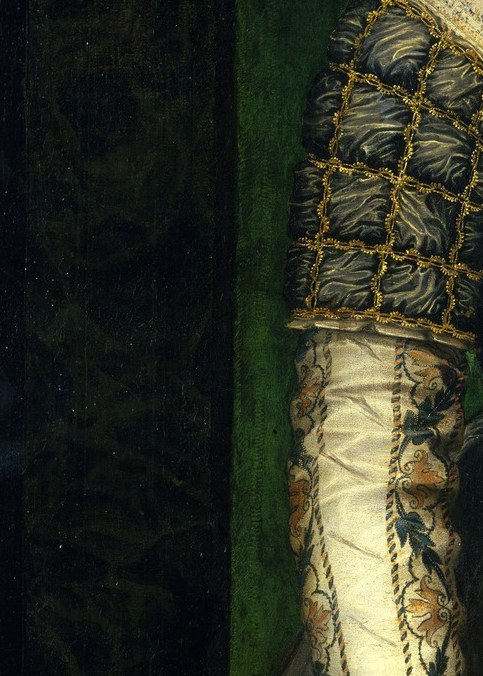
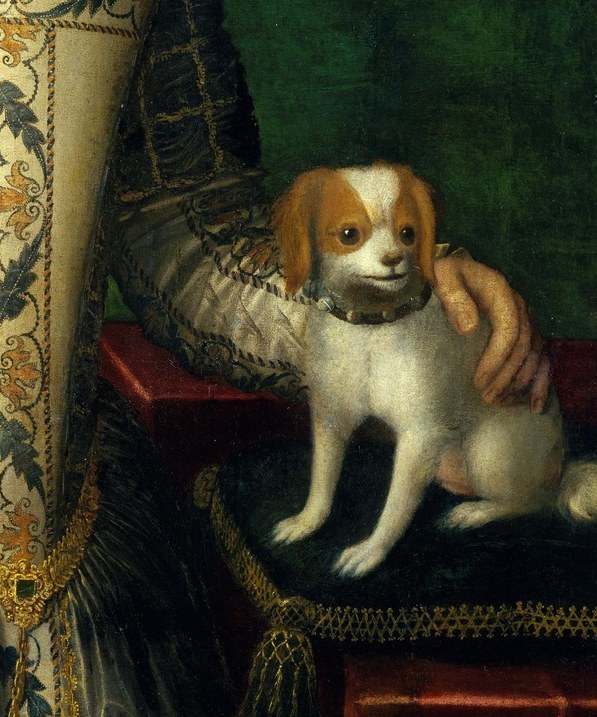
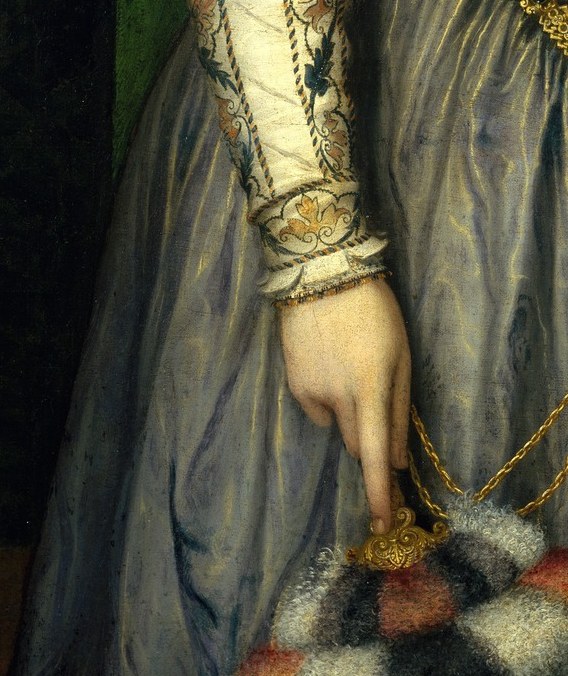
Look at the gold-embroidered stomacher, a textile luxury sumptuary laws reserved for the nobility. Follow the slashed sleeve: the controlled tears are a Mannerist fashion that flaunted the expensive white silk underneath. The alert spaniel on the red velvet cushion is a standard emblem of marital fidelity, and the second dog held at her hand doubles that domestic virtue signal. Every object in the frame was chosen to be read.
Bernardino Campi worked in Cremona, where he taught Sofonisba Anguissola, one of the first women to achieve international fame as a painter. Campi’s own reputation as a portraitist rested on precisely this ability to encode status in texture and attribute, to make paint speak the social language of the Lombard courts.
The woman’s name is now lost, but the portrait preserves exactly what her contemporaries needed to know: she was noble, wealthy, and virtuous. The code still works.
Details
Transcript
This is not just a portrait. It is a statement. Every object here was a known symbol to a 1560s viewer. Start here: the gold embroidery on her stomacher. Only a noblewoman could wear this. The slashed sleeve deliberately exposes expensive white silk beneath. A fashion of the elite. A small spaniel sits alert on a red velvet cushion. The dog means marital fidelity. But there is a second dog, held at her hand. A doubled symbol of domestic virtue. Campi taught Sofonisba Anguissola, one of the first internationally famous women painters. He coded this Cremonese noblewoman in wealth, fidelity, and calm authority.