Adoration of the magi by Pieter Brueghel the Younger
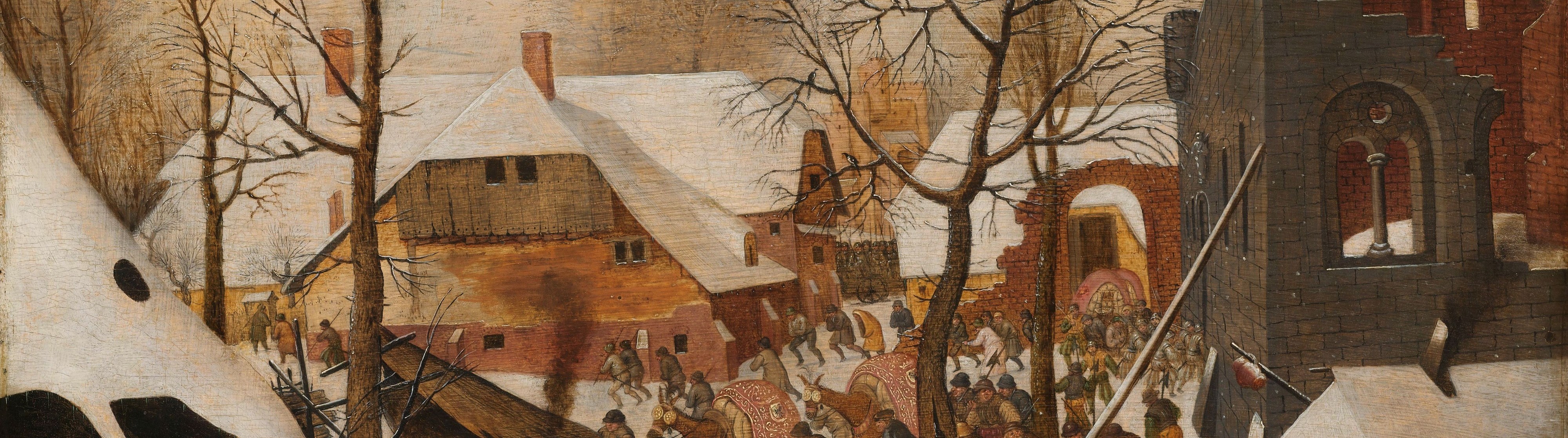
Pieter Brueghel the Younger's *Adoration of the Magi*, painted in 1614, masterfully integrates a sacred biblical event within a bustling, snowy Flemish village scene. Housed at the Rijksmuseum, this oil painting is a fantastic example of how the artist blended traditional religious narratives with detailed observations of everyday life.
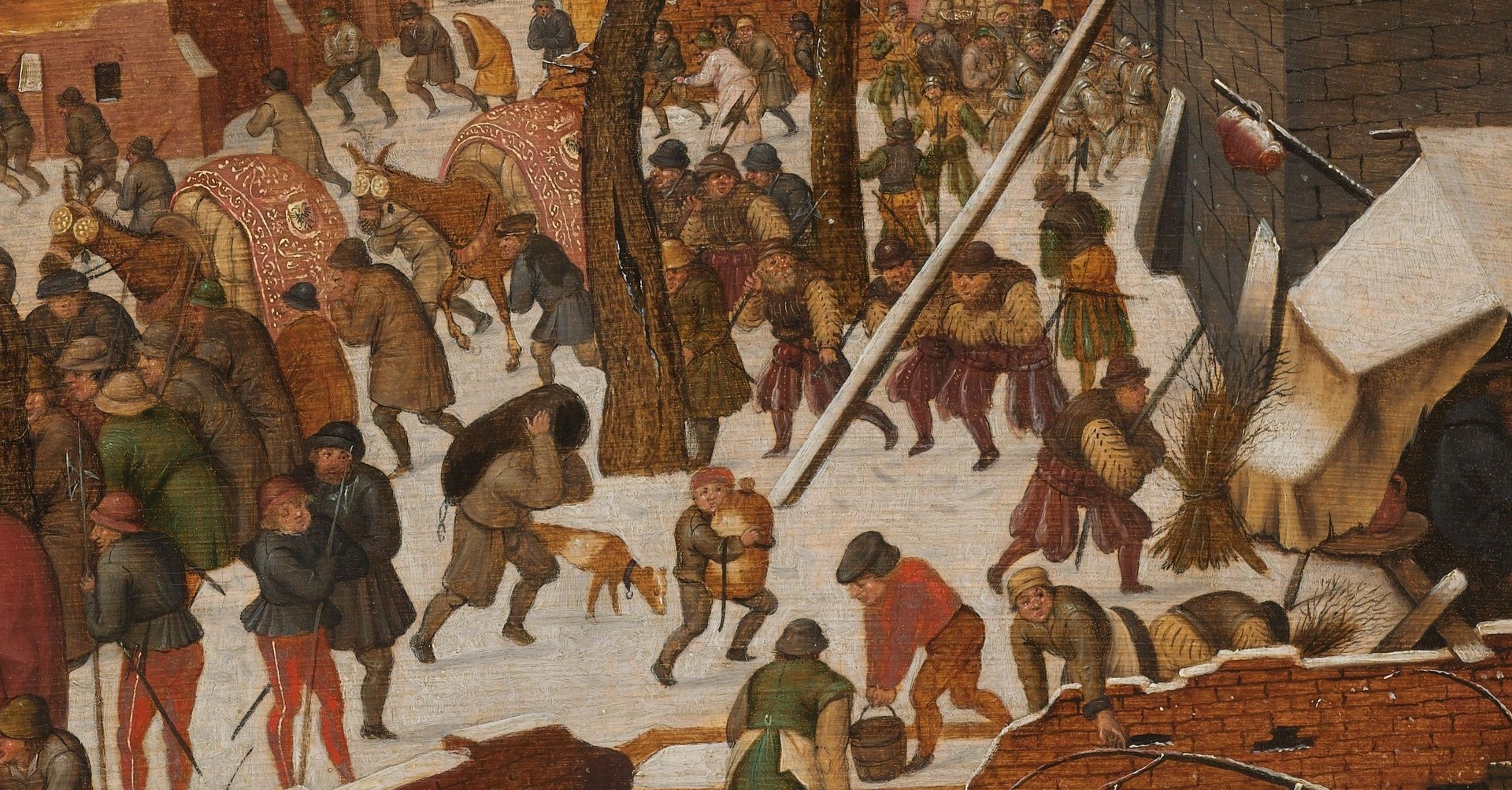
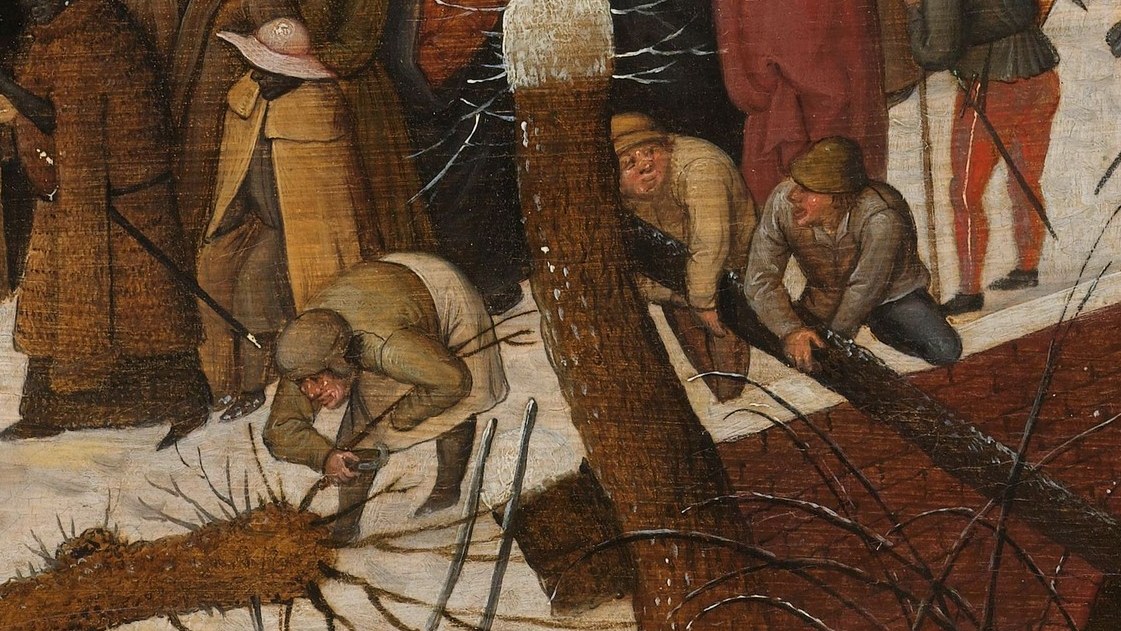
While the humble Mary and Christ Child receive the Magi, the true genius lies in the surrounding details. Look closer at the villagers engaged in their daily chores, such as chopping wood or carrying water through the snow. These elements ground the divine in the human, creating a vibrant contrast between the miraculous and the mundane.
Brueghel the Younger, operating a prolific studio, was instrumental in disseminating his father, Pieter Bruegel the Elder’s, artistic themes. His work not only celebrated religious stories but also captured the essence of 17th-century life, making these narratives accessible and relatable to a wider audience.
The painting invites us to consider how moments of profound significance can unfold within the most ordinary settings. What details surprise you most in this winter scene?
Details
Transcript
This painting from 1614 shows a religious story unfolding in winter. Among the crowd, Mary and the Christ Child receive the Magi. But the painter, Brueghel the Younger, fills the scene with daily life. Villagers chop wood, showing the harsh realities of winter. A man carries a heavy bundle, highlighting the common people's toil. His prolific studio helped spread his father's popular imagery.