Viaje de Jacob a Caná by Luca Giordano
Luca Giordano's Viaje de Jacob a Caná, painted in 1694 and held at the Museo del Prado, captures the biblical patriarch Jacob's arduous migration. The scene is alive with the energy of a Baroque procession, yet grounded in the physical realities of travel.
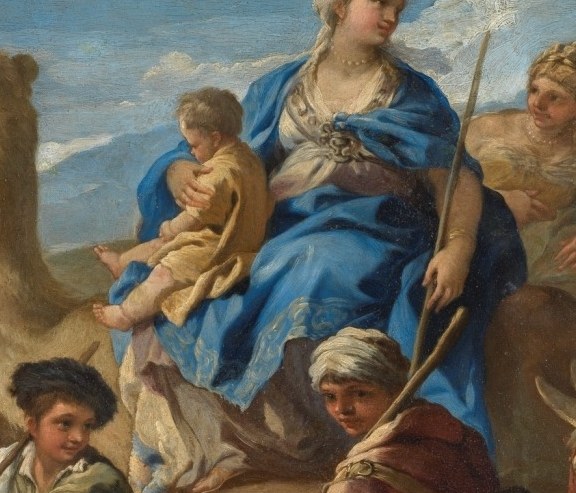
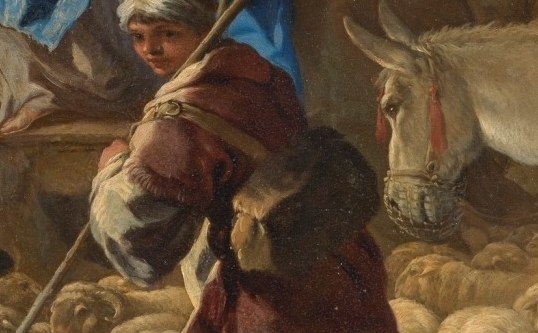
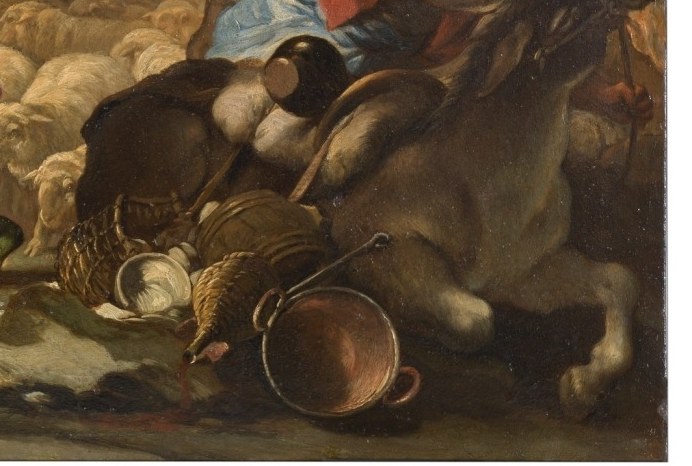
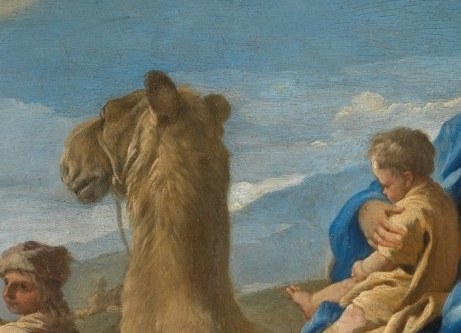
Notice the central woman holding her child on a donkey-drawn cart, a serene focal point amidst the moving figures. The surrounding flock of sheep and the watchful camel emphasize the vulnerability and determination of this journey.
Giordano, a celebrated Neapolitan artist, moved away from Caravaggio's dark style, introducing a new sense of light, color, and dramatic action. This work, painted before his move to Spain, showcases his mature style with rapid, fluid brushwork and a vibrant palette.
This painting offers a glimpse into both biblical narrative and the tangible experience of migration. A quiet question for you: what everyday objects from our lives would define our modern migrations?
Details
Transcript
This is Jacob's journey to Canaan. A woman holds her child on a cart. The donkey pulls steadily onward. Sheep huddle together for safety. A camel's head watches the path. Giordano painted this in 1694. His brushwork is rapid and fluid.