Boats on a Beach, Etretat by Courbet, Gustave
View the artwork: Boats on a Beach, Etretat →
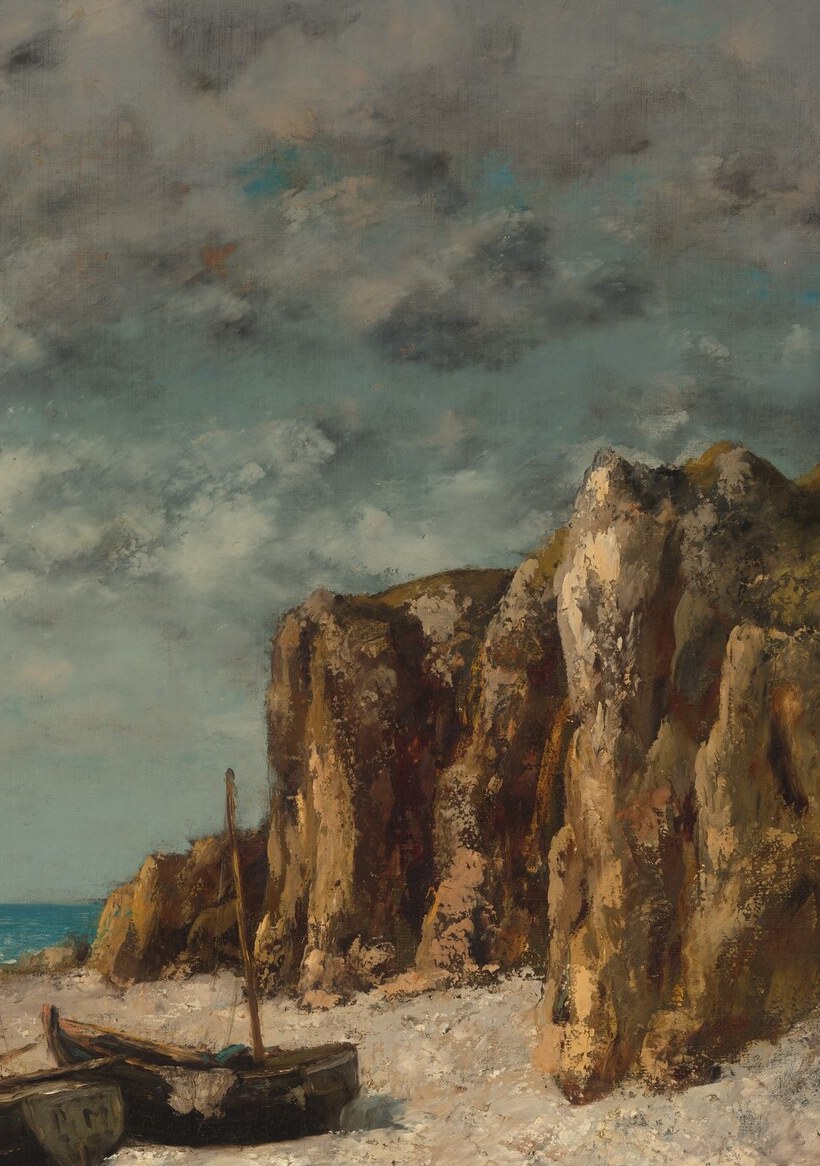
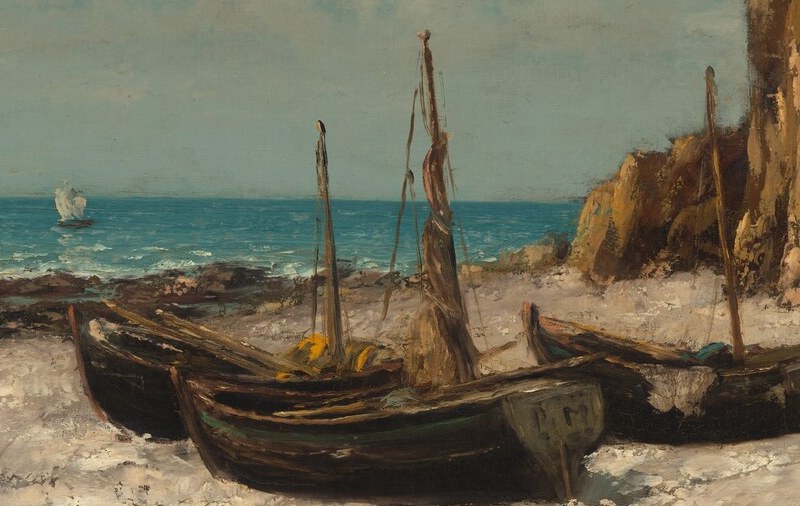
Gustave Courbet painted "Boats on a Beach, Étretat" around 1874, during his final years of exile in Switzerland. It is a late coastal study from the Normandy shore he returned to again and again, now in the collection of the National Gallery, London. The painting is a manifesto in wood, stone, and thick oil paint.
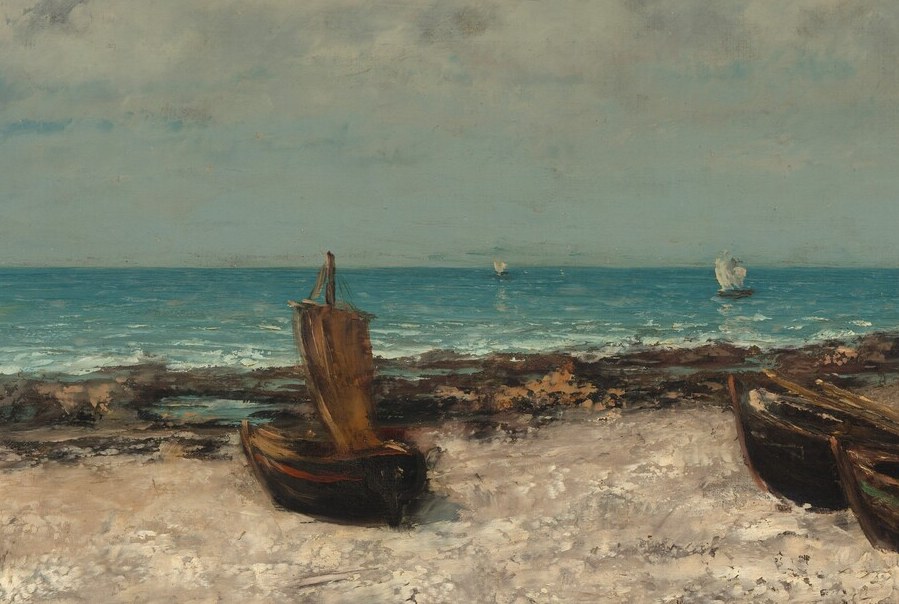
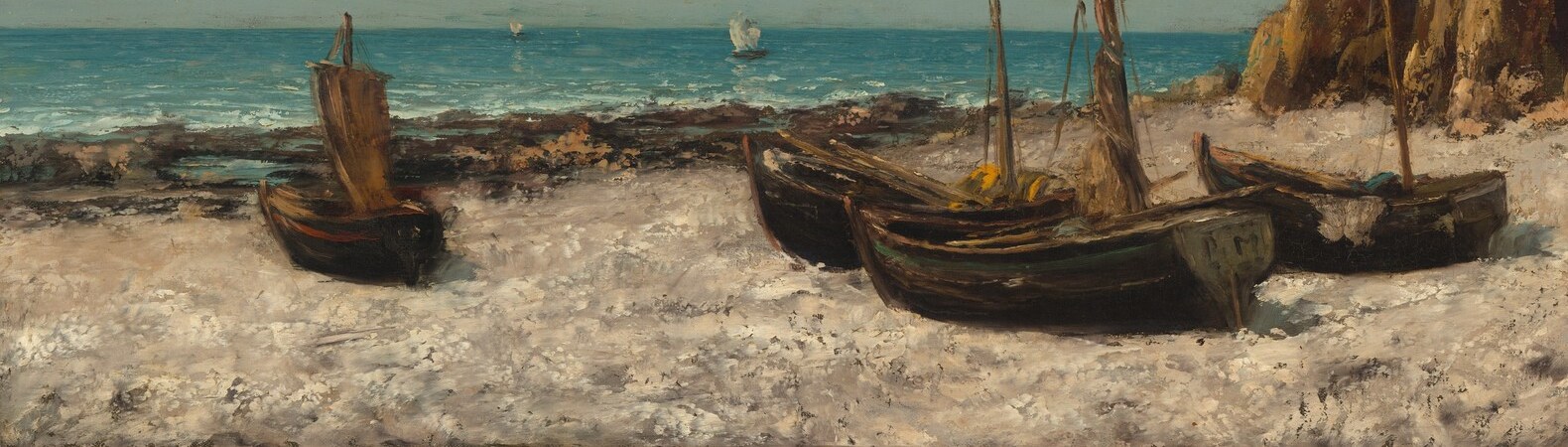
Look first at the two fishing boats hauled up on the pebbles. Courbet laid the paint on with a palette knife, so heavily that the encrusted surface literally becomes weathered wood and tar. Run your eye over the beach itself, the wet stones are almost sculpted into physical presence. Then find the bright sliver of turquoise sea at the horizon, and inside it, a tiny white sail.
That distant sailboat is the painting's secret. Courbet was the leader of the Realist movement, committed to painting only what he could see, without romantic embellishment. But a single sail on open water, placed against two beached vessels, quietly turns the scene into a story about movement and stasis. The boats at rest cannot leave. The one on the horizon can.
What small detail in a painting has changed the way you saw the whole work?
#arthistory #gustavecourbet #realism
Details
Transcript
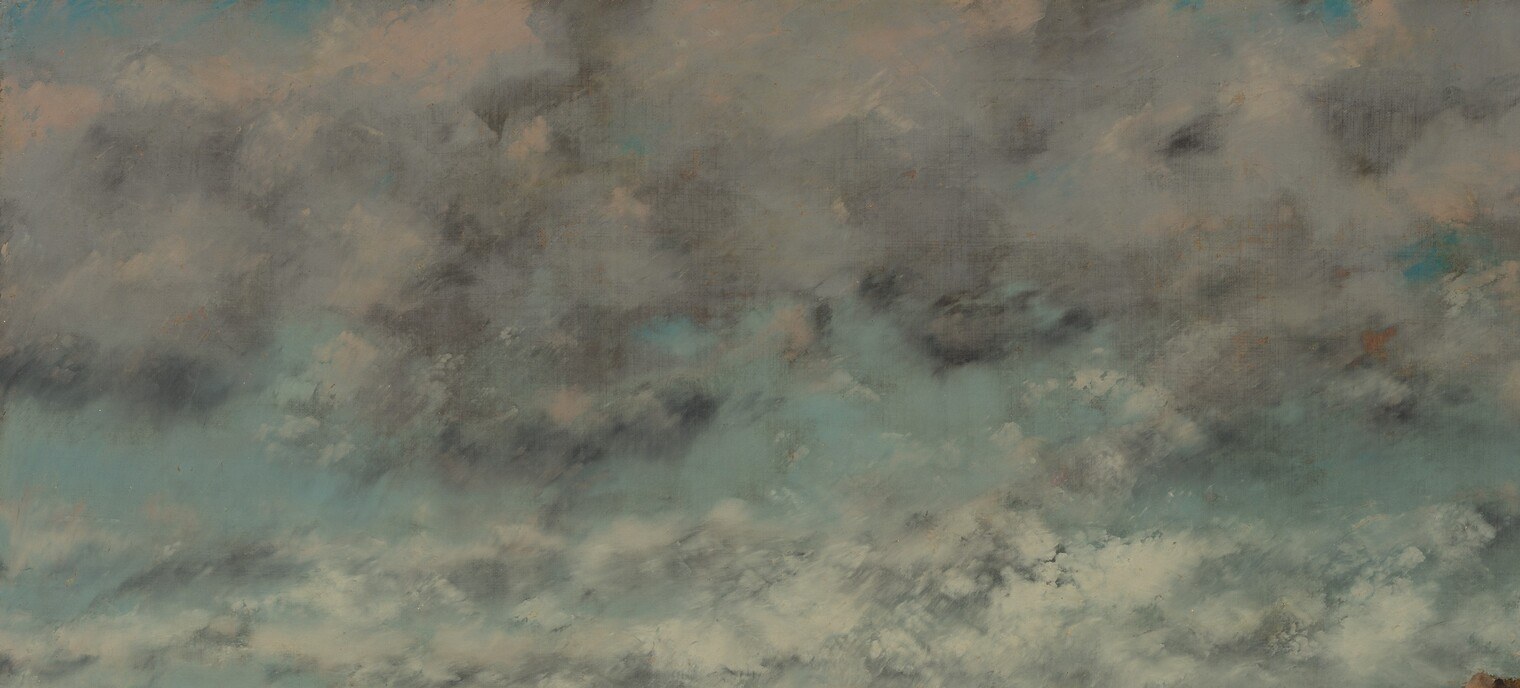
They look marooned, heavy on the pebbles. Courbet built these hulls with a palette knife. Thick paint becomes weathered wood and tar. The cliff of Étretat fills the sky like a wall. He painted this coastline obsessively, right to the end. Now find the horizon. A single white sail. These boats are stranded. That one is free.