Louis Gueymard (1822–1880) as Robert le Diable by Gustave Courbet
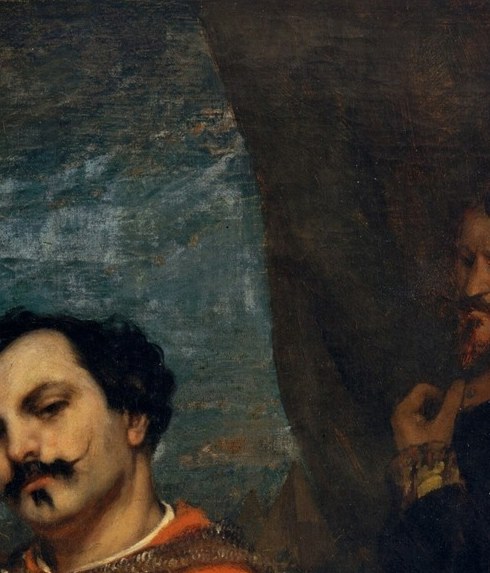
Gustave Courbet's 1857 portrait of the actor Louis Gueymard as Robert le Diable lives at the Metropolitan Museum of Art, and it is a wonderful contradiction. Courbet was the great champion of Realism, a painter who famously swore he would never paint an angel because he had never seen one. Here, he takes on the most artificial world available: the Paris Opéra.
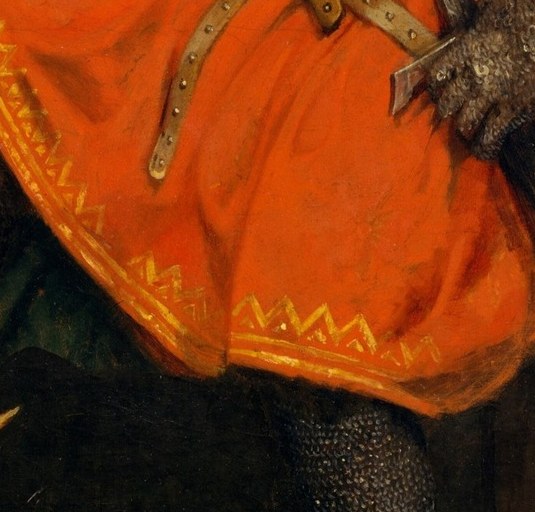
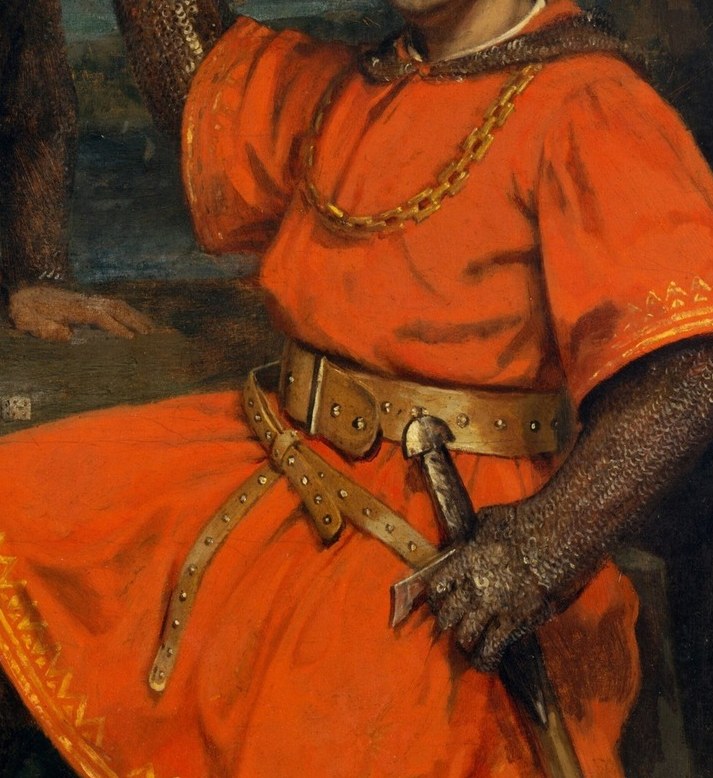
Look at the tunic. Courbet didn't blend it into a smooth, idealized costume. He used a palette knife to drag thick orange paint across the canvas, giving the fabric a physical weight you can almost feel. The sword is real leather and steel. The staff is a wooden stage prop. Every object is concrete, observed, accountable.
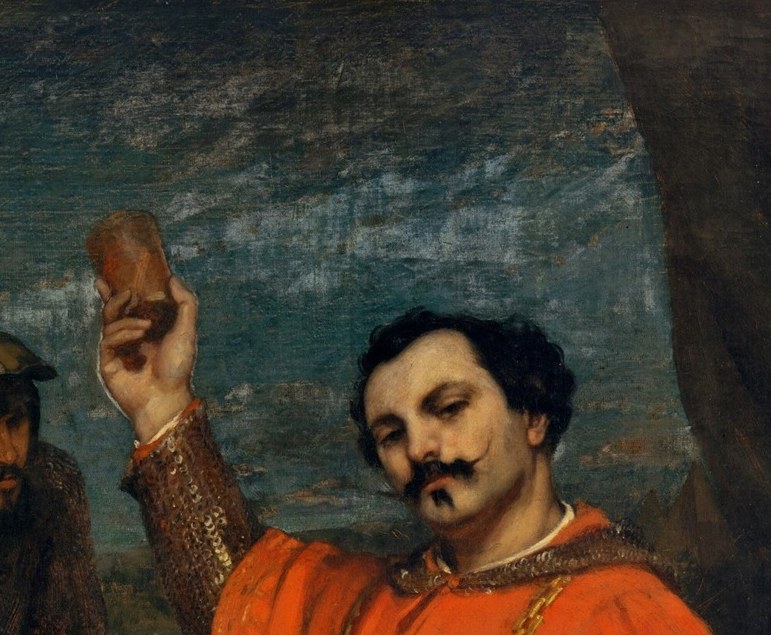
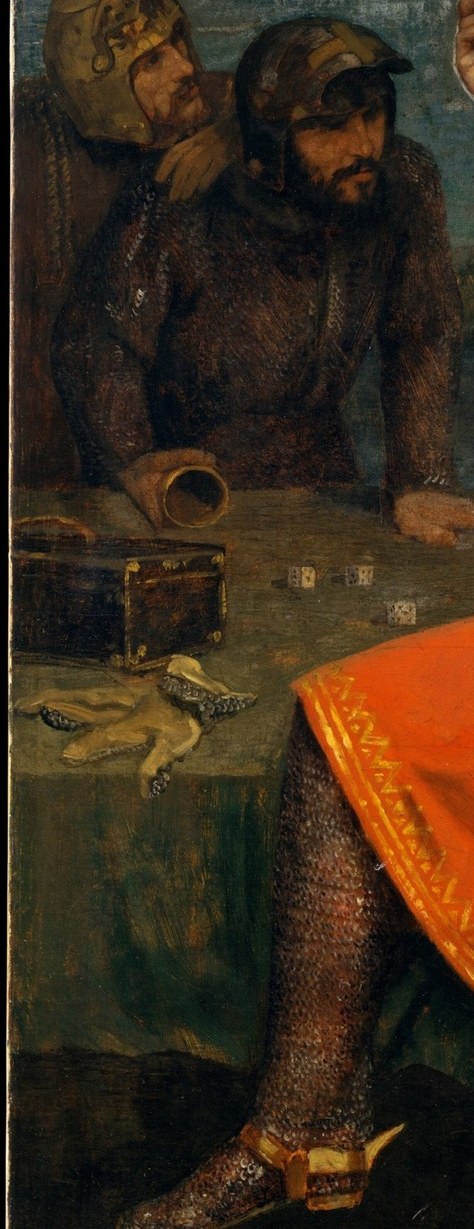
Louis Gueymard was a major tenor of the Opéra, famous in the title role of Meyerbeer's supernatural medieval drama. Courbet likely painted from a staged tableau with multiple costumed performers present. So the raking light, the shadowy figures in the wings, the upraised hand, these are not inventions of Romantic fantasy. They are a document of what the artist saw standing in the room.
The result is a strange and magnetic portrait: a realistic record of an illusion. That tension is what makes it worth sitting with.
Details
Transcript
This is not a knight. It's an actor. Gustave Courbet was a stone-cold Realist. He painted only what he could see. So when the Paris Opéra hired him for a portrait, he didn't paint a dream. He painted the props. The sword is steel and leather, not a symbol. And that orange tunic? Courbet laid it on with a palette knife until it had weight. The upraised hand reads as stage rhetoric, but the man inside the costume is absolutely present.