Vanitas still life by N.L. Peschier
This is Vanitas Still Life, painted around 1660 by the elusive Dutch Golden Age painter N.L. Peschier. Almost nothing is known about Peschier besides his dated signatures and a small body of work. Yet here, in a dark room surrounded by symbols of death and silenced art, he set himself a very specific technical problem: render a wine glass in oil paint that looks perfectly transparent.
Find the tall glass on the left. The body of the glass has no white pigment in it at all, just the dark background showing through. The entire illusion is built from two things: a fine white line tracing the rim, and a single sharp highlight reflecting an unseen window. Your brain does the rest, constructing a solid, translucent object out of almost nothing.
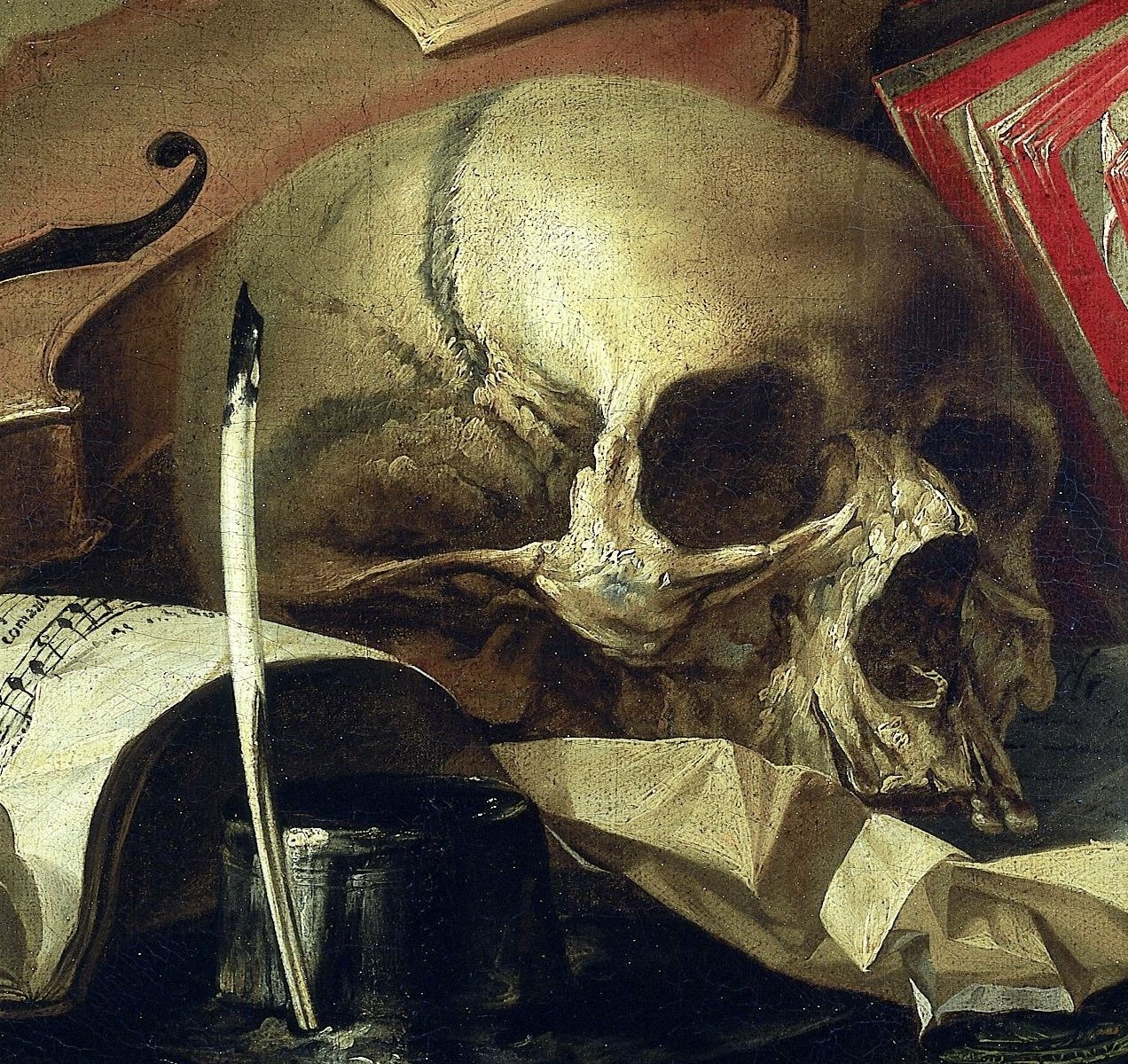
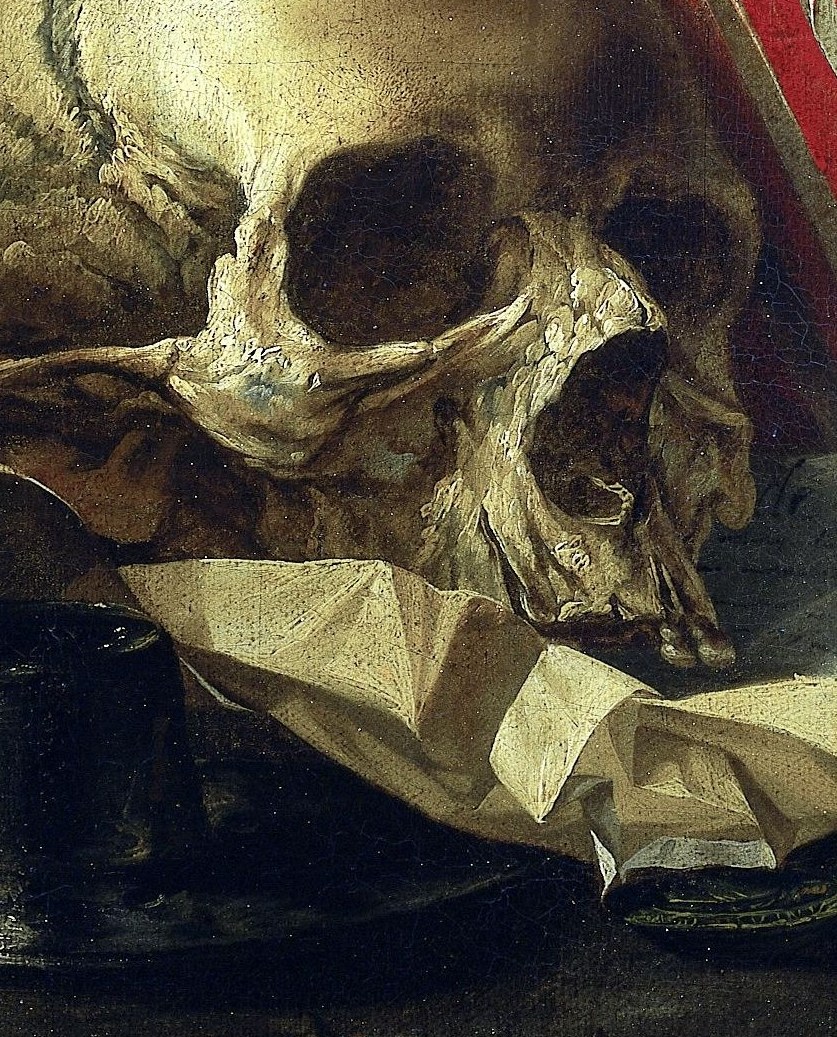
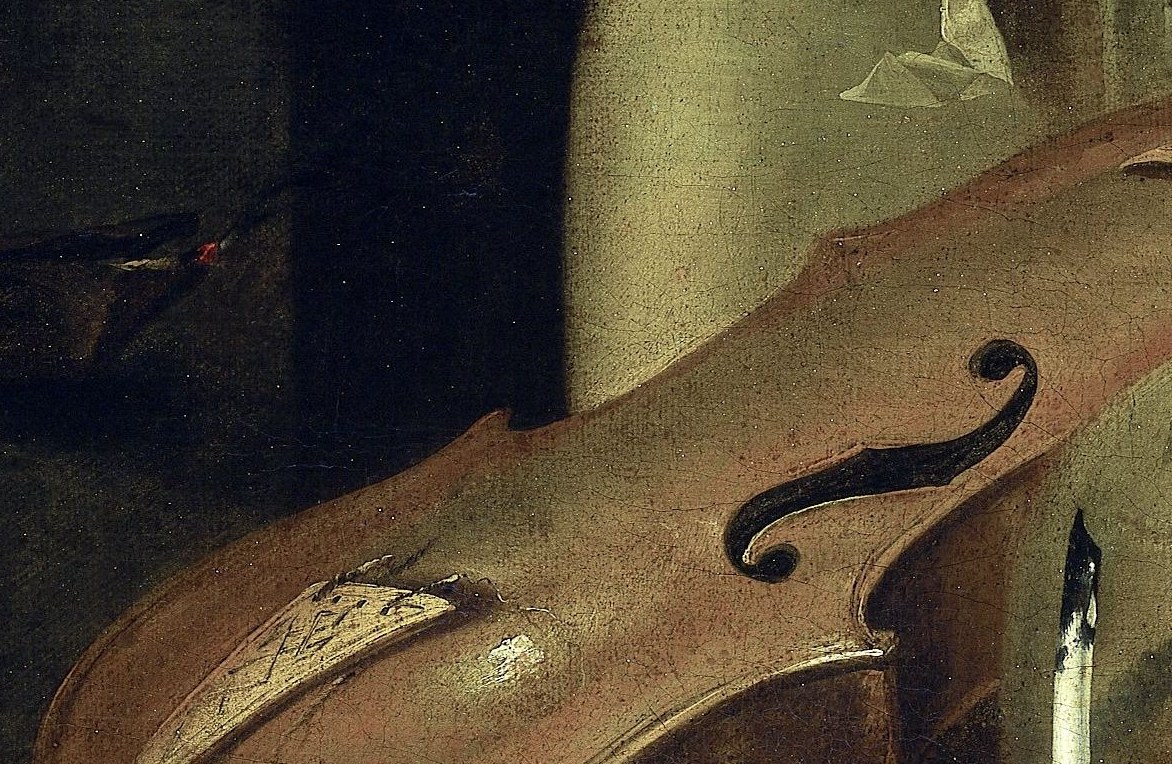
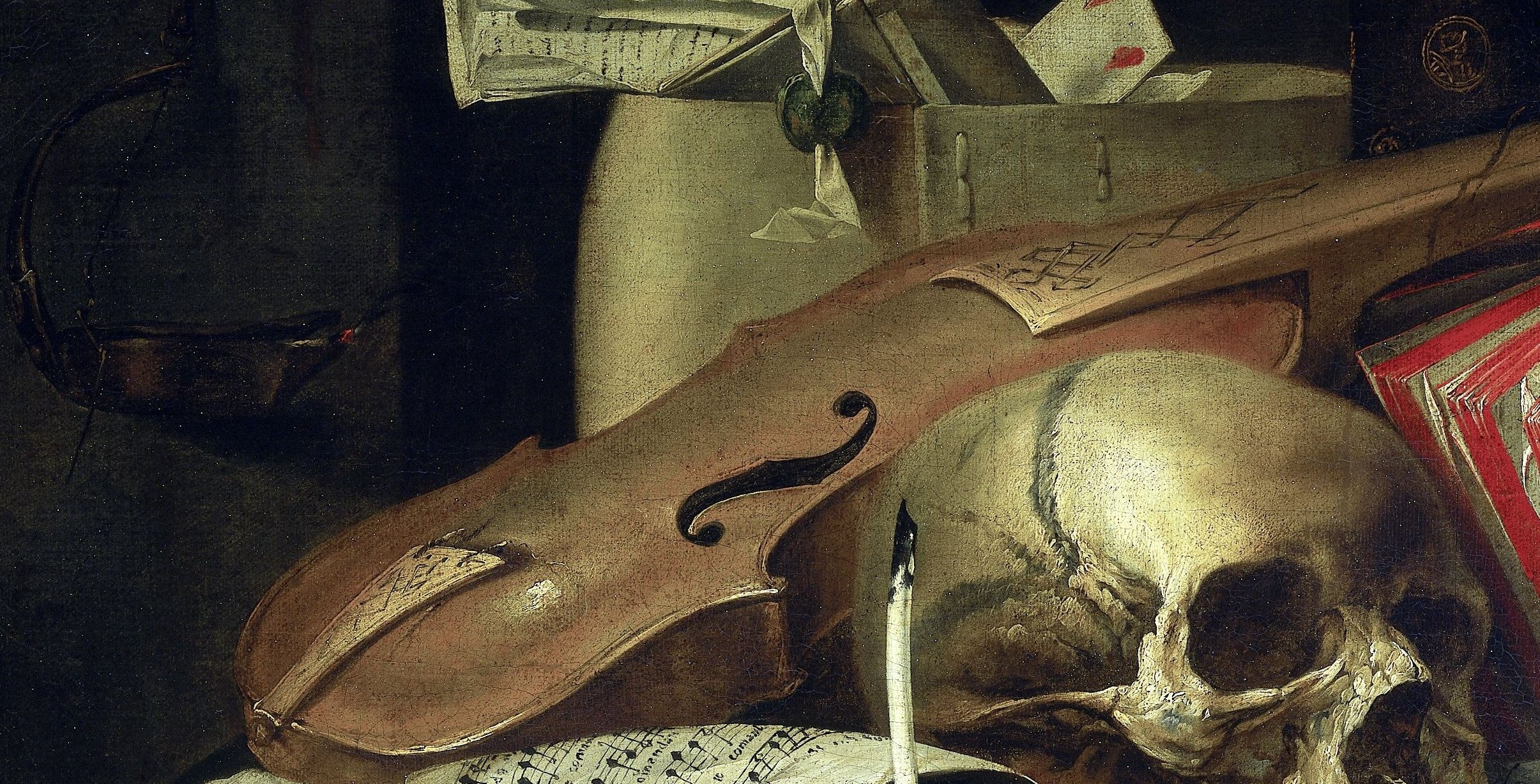
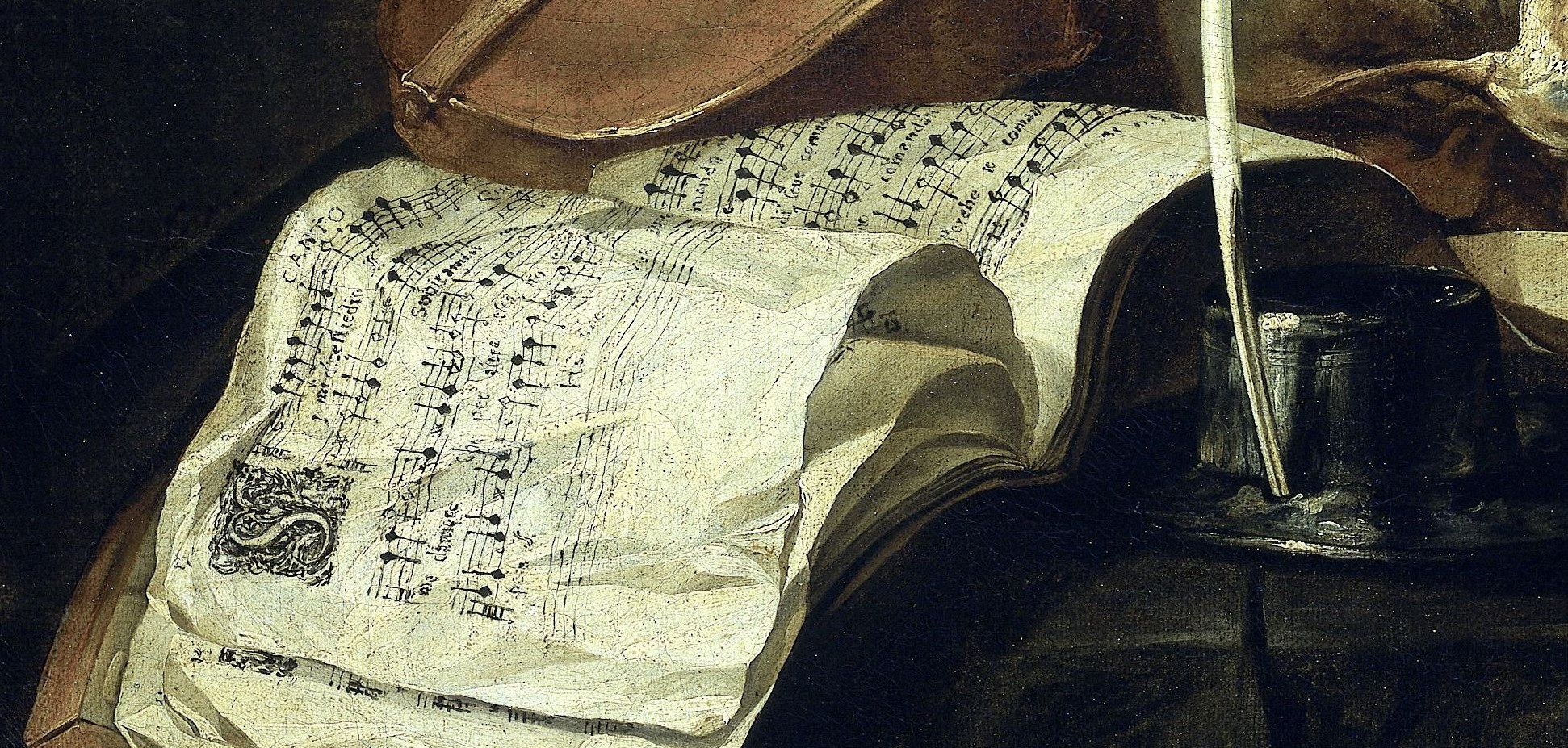
This painter worked in the manner of Vincent van der Vinne and Edwaert Collier, part of a Leiden tradition obsessed with vanitas, or the futility of earthly pursuits. The skull grinds the sheet music into the table. The violin lies limp. The quill is abandoned. Only the glass, half-empty, catches the light, a metaphor for life half-spent and a technical flex in the same breath.
Every time you look at that wine glass, you are not really seeing a glass. You are seeing a masterful understanding of how your own eye assembles the world.
Details
Transcript
A dark room. A collection of objects. Death dominates the center, pressing down on a sheet of music. But look to the left. A glass of wine, half-empty. A painter mixing soot into oil met a problem here. Glass is invisible. Paint is not. So he painted only what light does: a crisp white rim, and a single hard glint. A few flicks of lead white, and the whole glass pops solid. He knew you would not see a glass. He made you see one anyway.