A Pond in Picardy by Jean Baptiste Camille Corot
Step into a tranquil moment in 19th-century rural France with Jean-Baptiste-Camille Corot's "A Pond in Picardy," painted in 1867. This oil painting, part of The Metropolitan Museum of Art's collection, captures a peaceful landscape that also subtly reflects the era's changes.
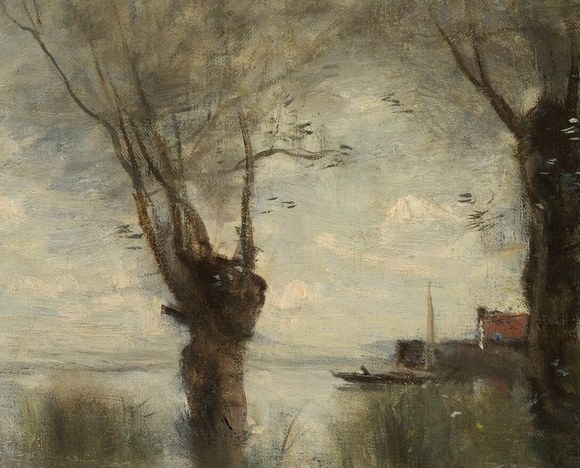
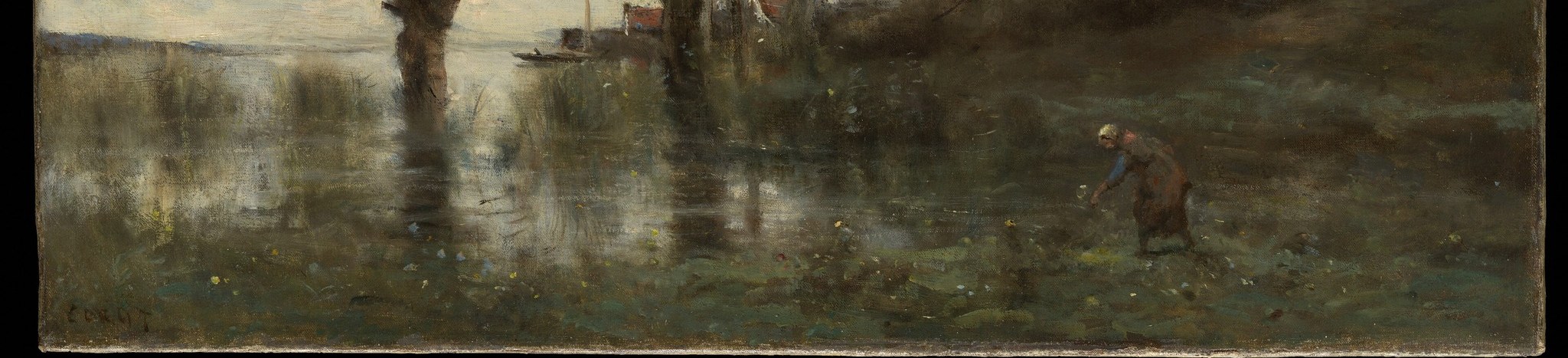
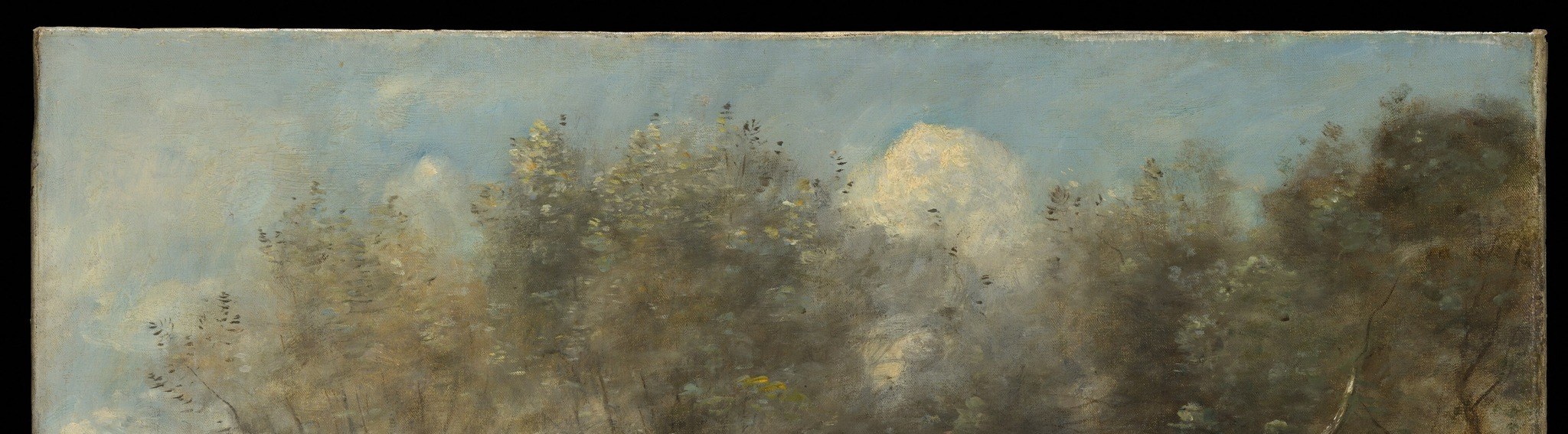
Corot, a master of landscape painting, was renowned for his ability to evoke serene natural scenes. Notice the soft reflections in the still water and the delicate rendering of the bare trees, which contribute to the painting's contemplative atmosphere. The solitary woman by the pond adds a human touch, her presence inviting us to wonder about her story.
While the scene appears idyllic, the distant red-roofed buildings hint at the encroaching industrialization and growth of villages in the French countryside during this period. Corot's work often bridged the traditional and the modern, capturing both the timeless beauty of nature and the subtle shifts in the world around him. His gentle brushwork and muted palette create a sense of quiet observation, inviting viewers to pause and reflect.
What do you imagine her journey might have been?
Details
Transcript
Rural France, 1867. A quiet pond in Picardy. This painter was famous for his peaceful landscapes. But his work also shows us a changing world. Factories and villages were growing across the countryside. Here, a lone woman walks by the water. Perhaps she is walking to a new life in one of them.