Young Girl Giving Alms to an Old Man by Jan Steen
Jan Steen’s 1658 painting, “Young Girl Giving Alms to an Old Man,” held at the Rijksmuseum, is a quiet scene rich with meaning. Steen, known for infusing everyday life with moral lessons, uses visual cues to highlight the virtues of charity.
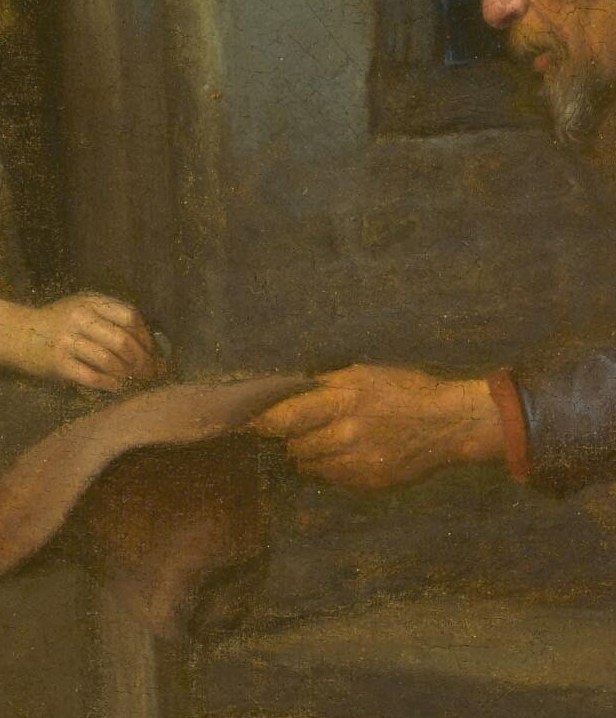
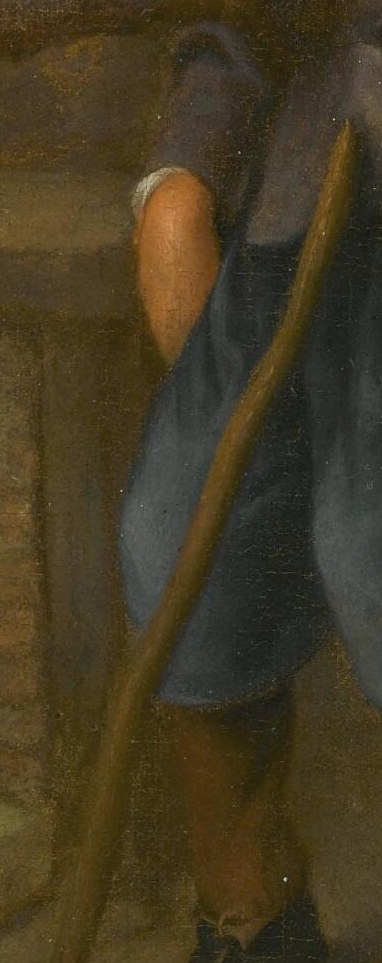
Observe the contrast between the figures: the girl's bright yellow dress symbolizes youth and generosity, while the old man's blue garments and cane represent age and need. The moment of exchange, focused on the small offering, underscores the act of compassion.
Created during the Dutch Golden Age, this work reflects 17th-century Dutch society's emphasis on moral teachings. Scenes of almsgiving were common, serving as both didactic and decorative elements in homes.
What other subtle messages do you notice in Steen's detailed works?
Details
Transcript
This painter often hid moral lessons in everyday scenes. Here, a young girl offers alms to an old man. Her bright yellow dress symbolizes youth and generosity. His cane and blue garments convey age, frailty, and need. In 17th-century Holland, charity was a central virtue. It was a visible sign of compassion and social order.