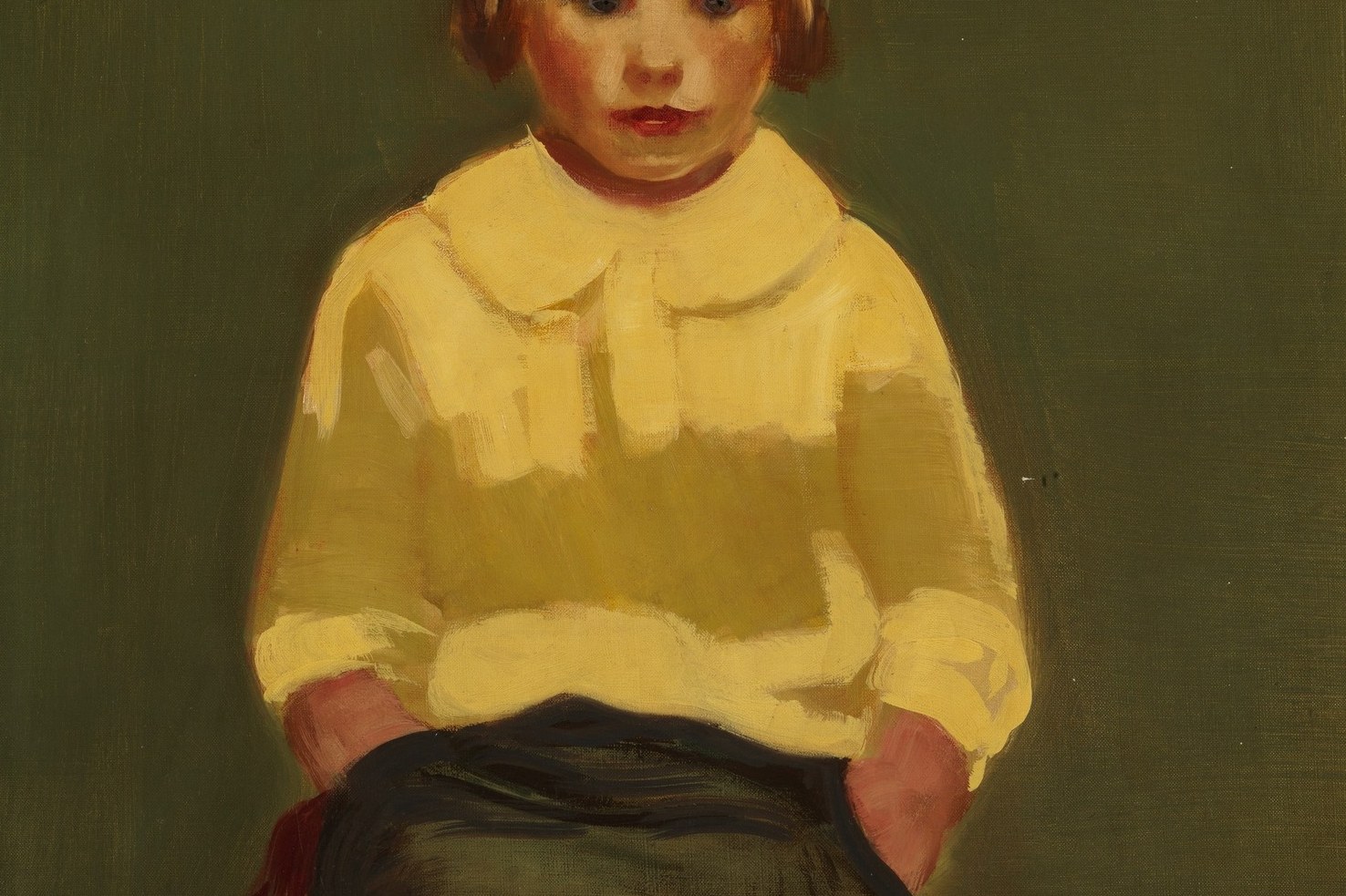
Boy with Baseball by George Luks
George Luks's "Boy with Baseball" (1925) hangs quietly at The Metropolitan Museum of Art, but the man who painted it lived anything but a quiet life. A founding member of the Ashcan School, Luks was a former newspaper illustrator who turned his eye to the working-class streets of New York's Lower East Side, painting the people the art establishment preferred to ignore.
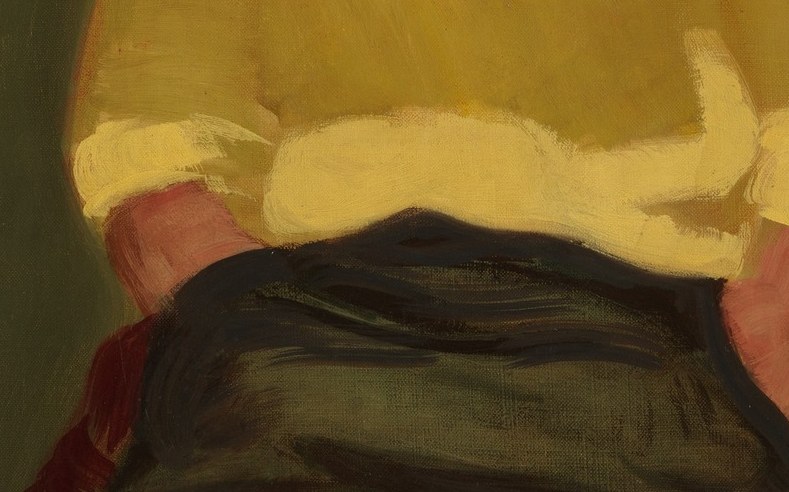
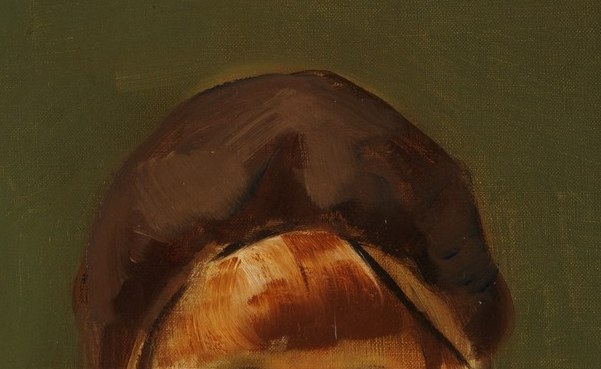
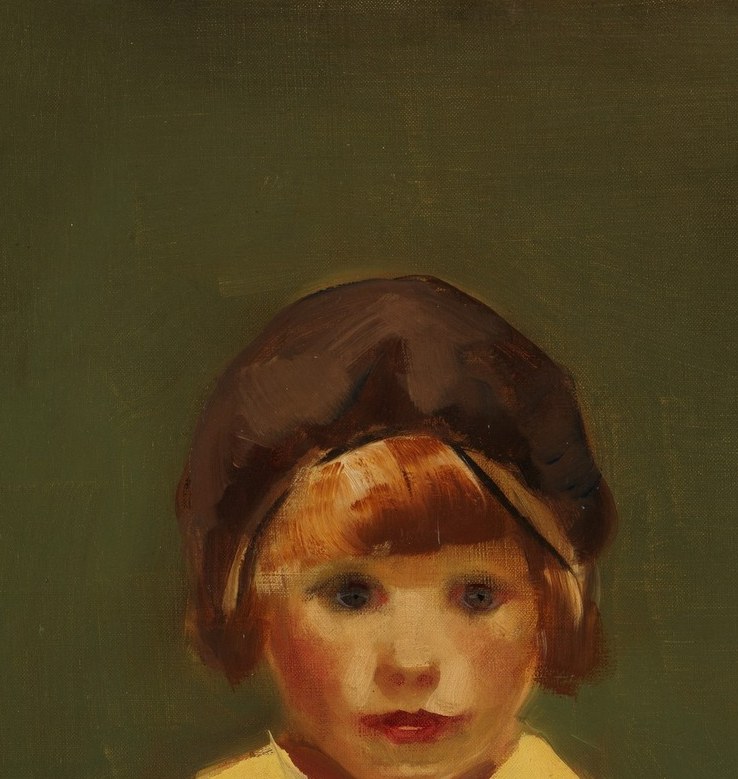
Look at the boy's face. The gaze is level, direct, and utterly without sentimentality. Luks doesn't ask this child to perform for us. His hands rest idle, and the baseball sits by his thigh rather than in his grip, a detail that quietly insists this boy is a person, not a prop. The thick, loose strokes of yellow on the sweater show Luks's European-trained bravura applied to a thoroughly American subject.
The Ashcan School was a small rebellion. Led by Robert Henri, these painters rejected the polished, genteel subjects favored by the National Academy of Design and chased the grit of the real city instead. Luks himself was as rough as his brushwork, a hard-drinking, bar-fighting character who would die from injuries sustained in a tavern brawl in 1933.
This painting, then, is a meeting of two kinds of toughness: the quiet endurance of a child and the restless, brawling honesty of the hand that painted him.
Details
Transcript
George Luks painted street kids like they were kings. A bright yellow sweater against the dark. His hands rest still in his lap. This gaze doesn't ask you to smile back. Luks died eight years after this, in a barroom brawl.