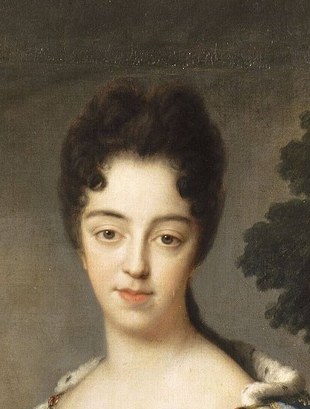
Portrait of Marie Adélaïde of Savoy, Duchess of Burgundy by Jean-Baptiste Santerre
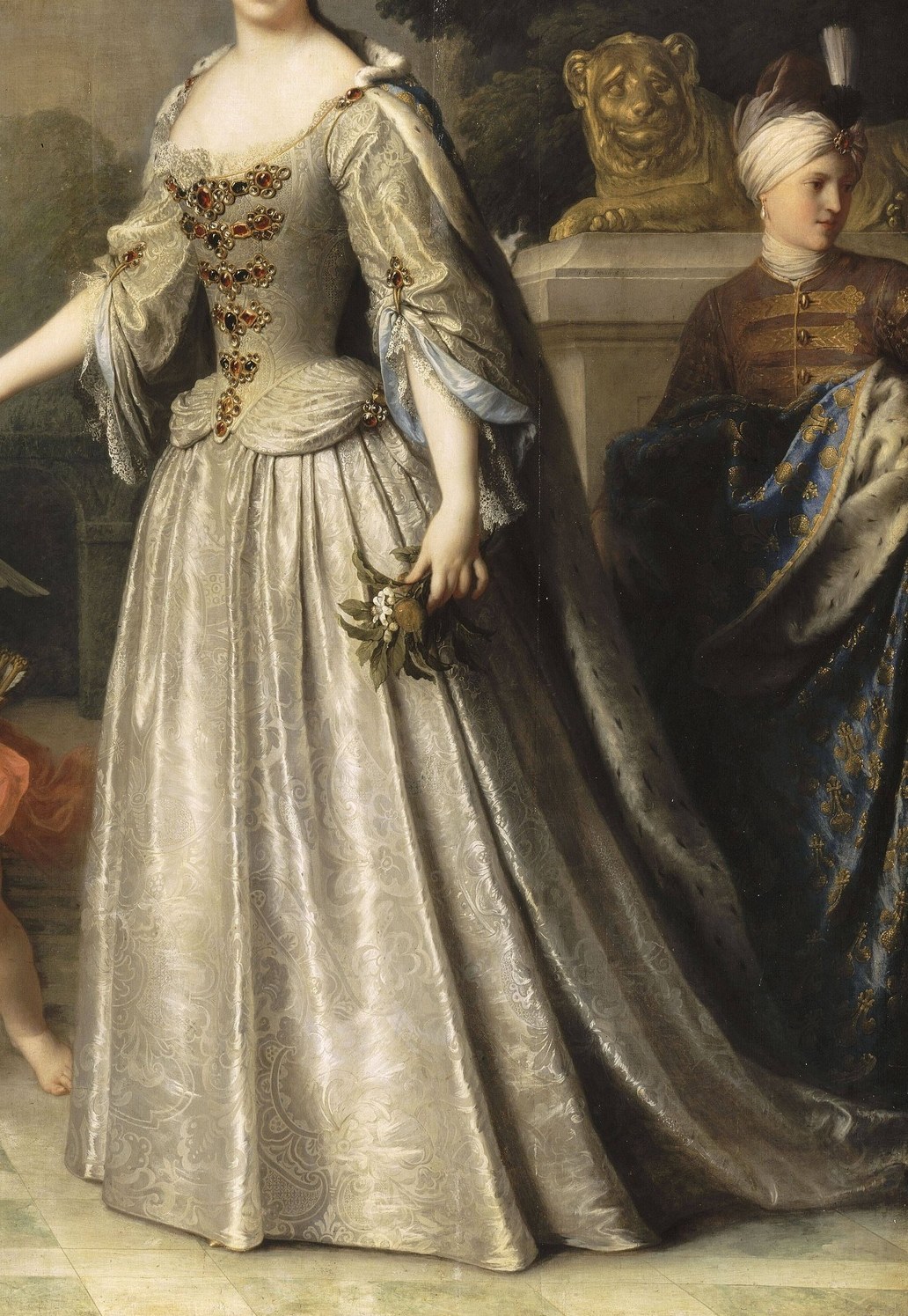
Jean-Baptiste Santerre's 1709 "Portrait of Marie Adélaïde of Savoy, Duchess of Burgundy," at the Palace of Versailles, blends formal court portraiture with allegorical elements typical of early Rococo art. This painting offers a glimpse into the life of a prominent figure in Louis XIV's court.
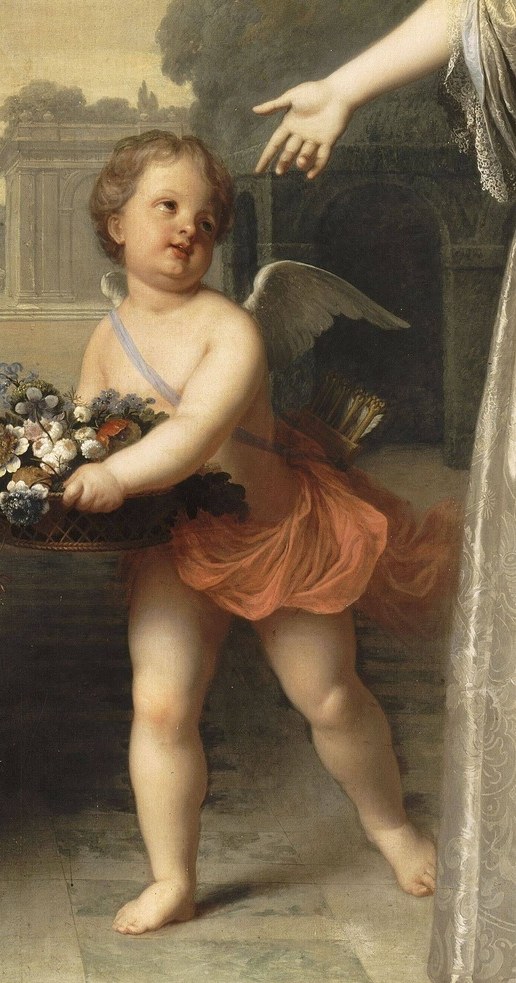
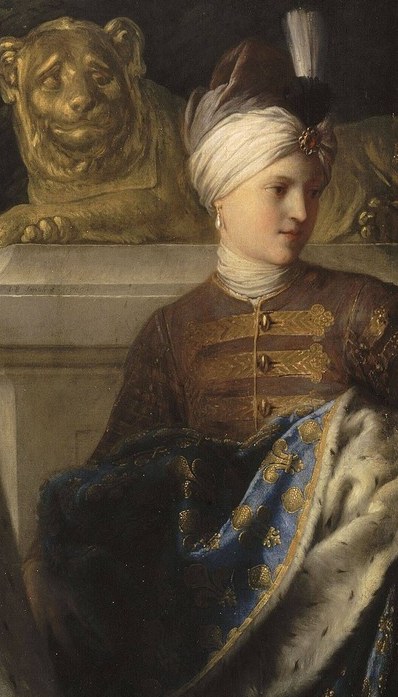
The Duchess, adorned in a shimmering silver gown, represents status and wealth. Her gesture towards a cherubic child, often interpreted as Cupid, symbolizes innocence and the promise of royal heirs. However, the most subtle detail often overlooked is the secondary figure in the background.
This elegantly dressed figure, possibly an attendant, adds a layer of courtly hierarchy and domestic life to the grand setting. Santerre, influenced by both Netherlandish and Italian traditions, created a work that captures the opulence of the era while offering intriguing narrative depth through its hidden details.
What other subtle elements do you notice that add to the painting's story?
Details
Transcript
This grand portrait was painted for Louis XIV's court at Versailles. It shows Marie Adélaïde of Savoy, Duchess of Burgundy. Her opulent silver gown shows her immense wealth and status. She gestures towards a cherubic child, symbolizing dynastic hopes. But look closely, there is another figure in the background. This figure, possibly an attendant, adds a layer of courtly life.