Portrait of a Mameluke, said to be Roustam Raza by Horace Vernet
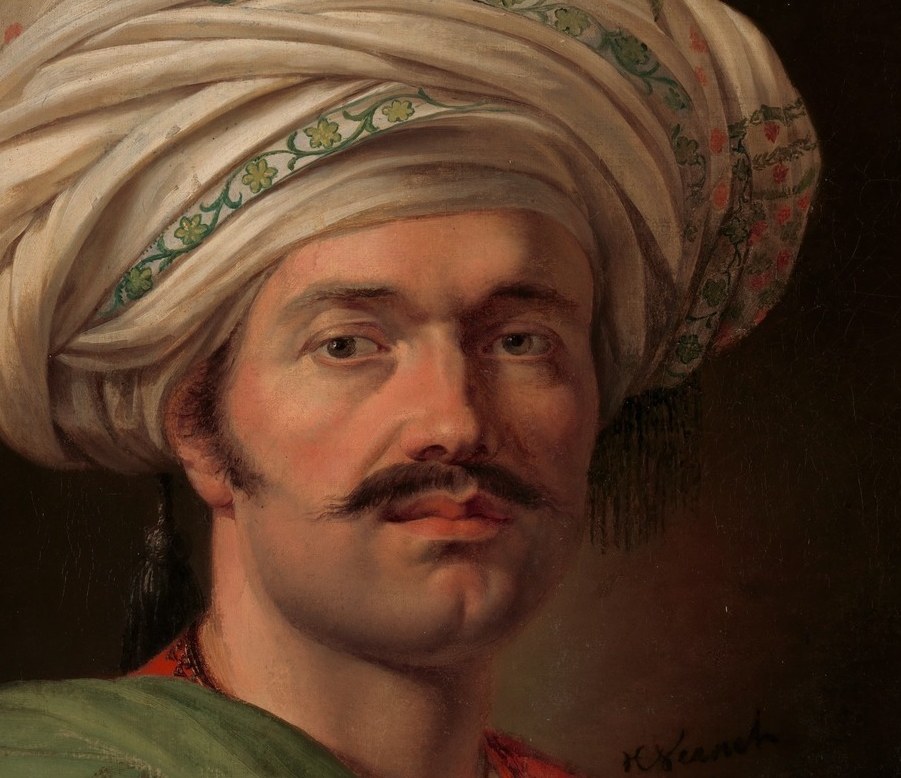
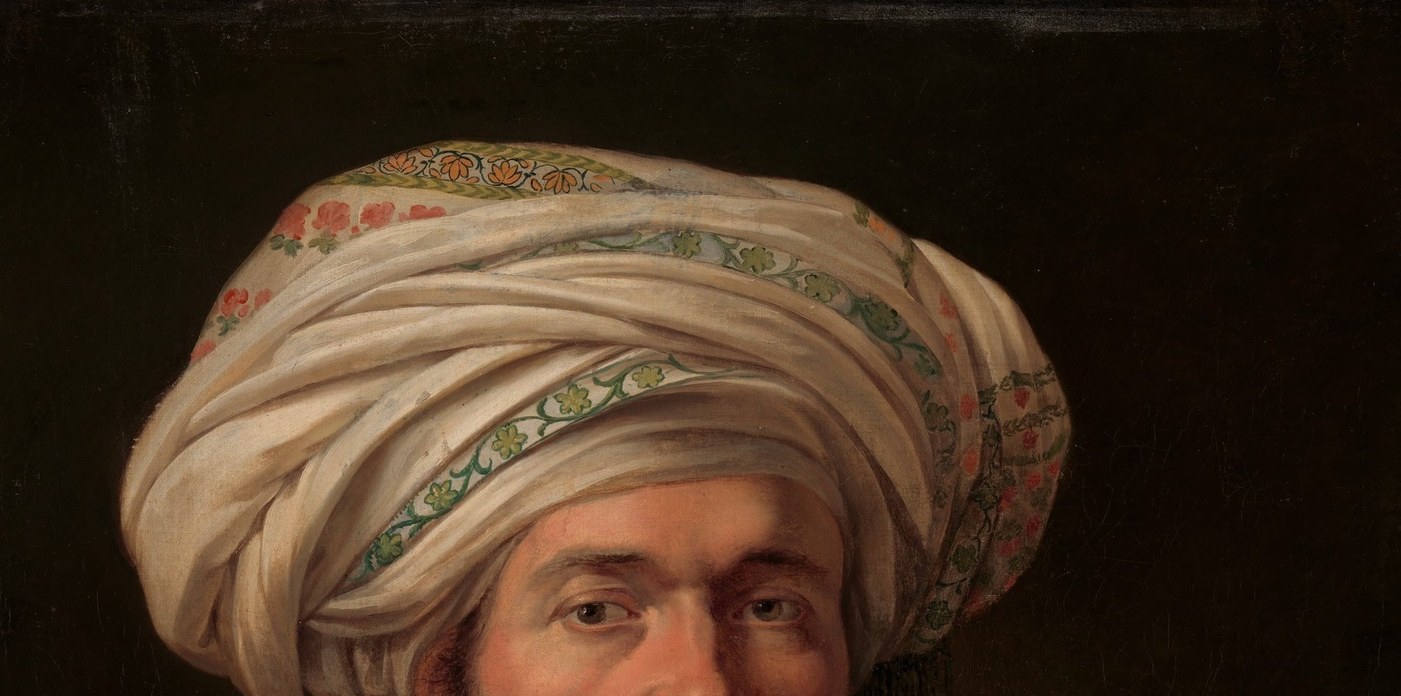
This is Horace Vernet's *Portrait of a Mameluke, said to be Roustam Raza*, painted in 1810 and now at The Metropolitan Museum of Art. It was rejected by the Paris Salon jury the year it was finished, and the painter hid it away for a decade.
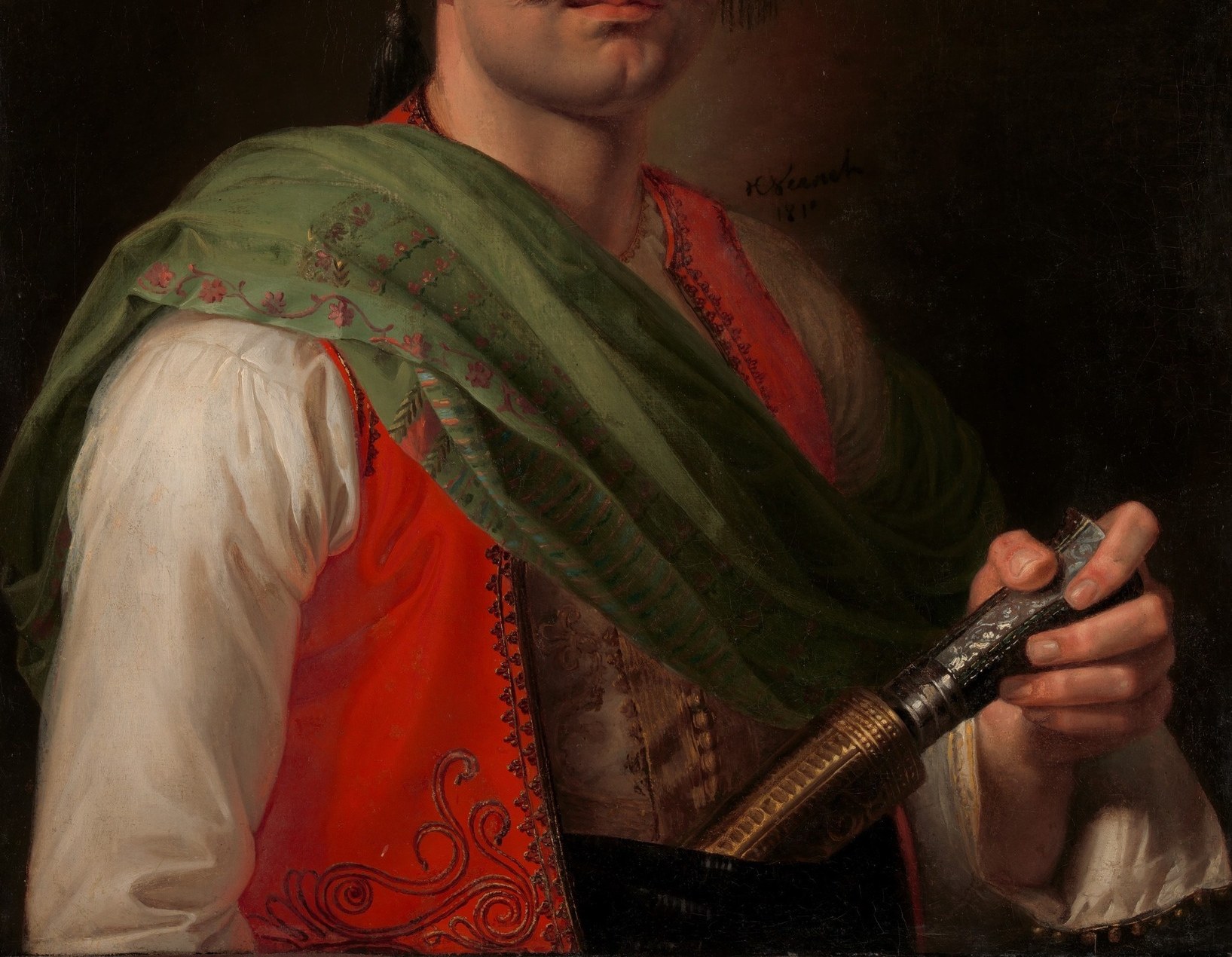
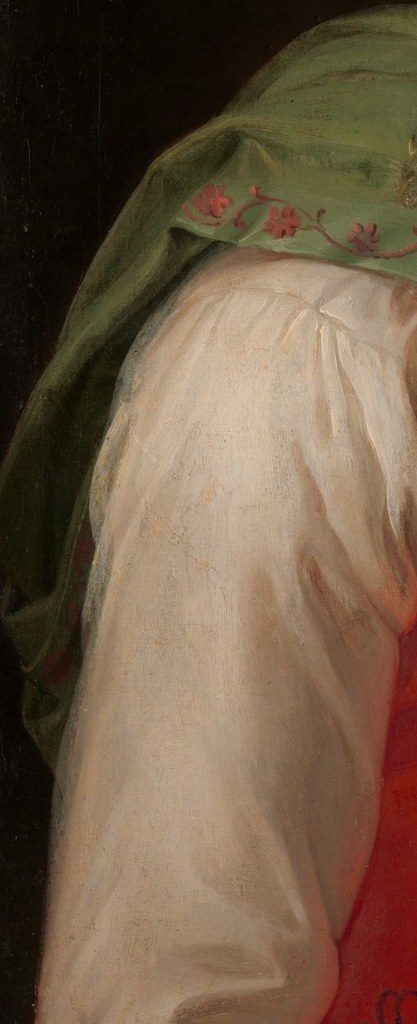
Look at the green cape with the red and gold embroidered trim. That border is where Vernet concentrated his research, compressing Ottoman luxury into a single gesture. Then find the white linen collar at the throat, a detail of European dress that complicates the pure Orientalist reading. Roustam Raza lived in Paris. The portrait shows a man between two worlds.
Roustam Raza was born in Tbilisi, sold into slavery in Cairo, and given to Napoleon in 1799. He served as the emperor's personal bodyguard, sleeping across his doorway, and followed him into exile before settling in France. Vernet's father knew the imperial court intimately, which is how the commission likely came. When the jury rejected the work, they were rejecting the public image of a Mameluke in French society, an ally who looked too much like an adversary.
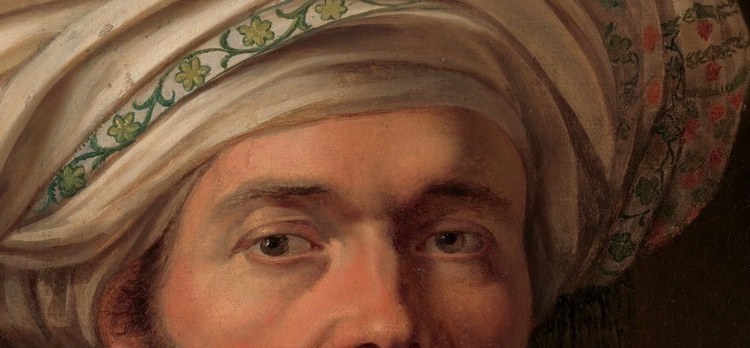
Vernet eventually exhibited it at his own private studio, where it drew the very crowds the Salon had denied him. The scandal passed, but the painting holds the whole tension of that moment in its dark, empty background and that steady gaze.
Details
Transcript
His face is calm. The room was not. He was Napoleon's bodyguard, pulled from a Cairo slave market. Vernet painted him in 1810 for the Paris Salon. The jury refused it. A French hero, dressed like an enemy. This green cape with its red and gold trim was political. The portrait disappeared from public view for ten years.