Marshland by Jules Dupré
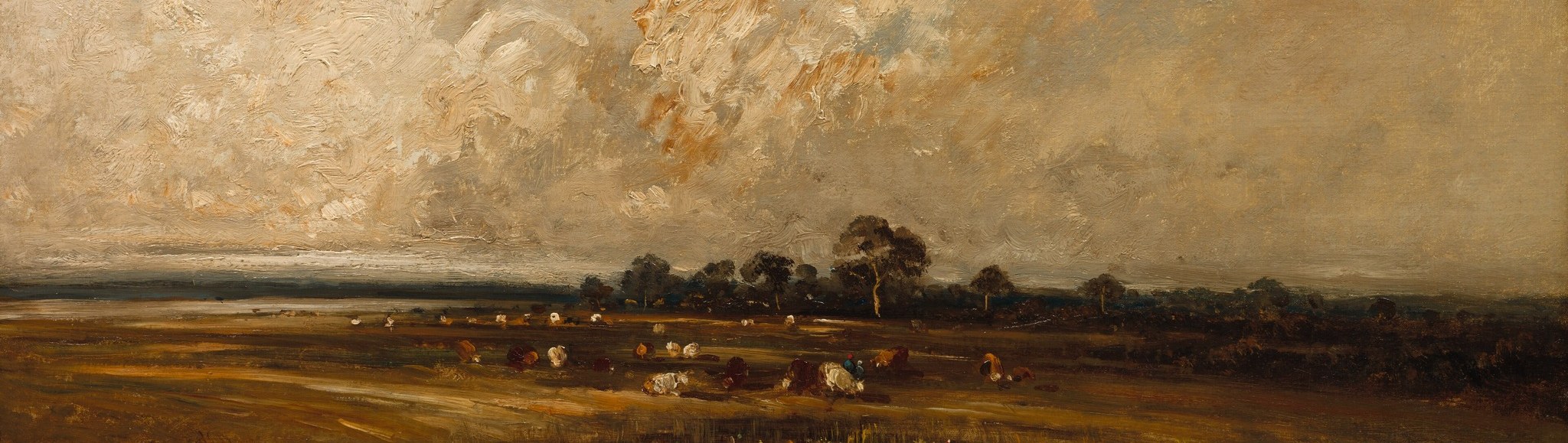
Jules Dupré, a key figure in the Barbizon school, painted 'Marshland' in 1870, now part of The Cleveland Museum of Art collection. This work exemplifies the movement's dedication to depicting nature without idealization, a serene contrast to more dramatic landscape traditions.
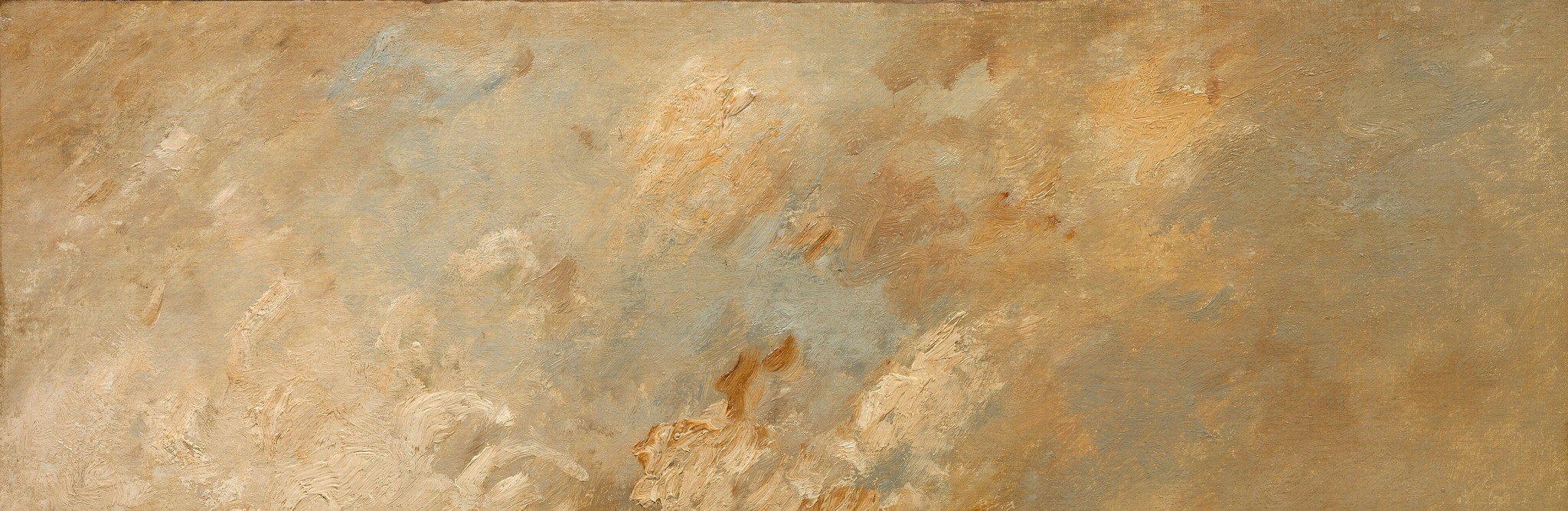
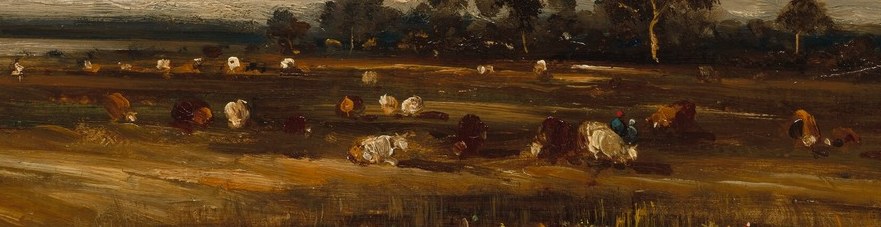
Notice the rich, earthy tones and the visible brushstrokes throughout the marshland. Dupré's technique of bold, expressive marks creates a palpable texture, drawing the viewer into the quiet stillness of the scene. The reflective water surface and the subtle details of cattle add to the sense of an immediate, observed moment.
The Barbizon school, active from the 1830s to the 1870s, rejected academic conventions. Artists like Dupré favored direct observation of nature, often painting en plein air. Their focus on the nuanced beauty of the French landscape significantly influenced modern art.
What details in the marshland make this painting feel so peaceful to you?
Details


Transcript
This peaceful scene, Marshland, was painted in 1870. Its artist, Jules Dupré, was a master of natural landscapes. Look closely at the textured passage of grass and mud. Dupré used bold, expressive brushstrokes to create this depth. These visible strokes lend a tactile sense to the quiet marsh. The Barbizon school sought beauty in unidealized nature, not drama.