Scenes from the Passion of Christ: The Crucifixion [middle panel] by Vanni, Andrea di
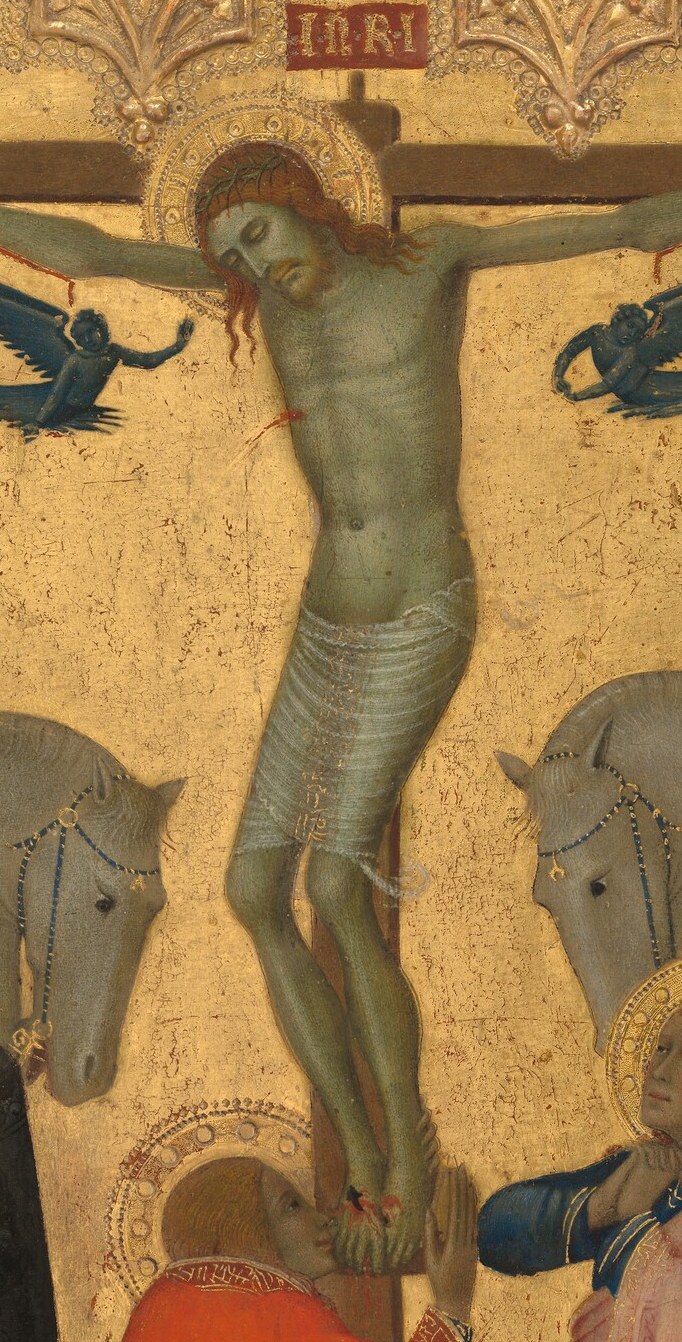
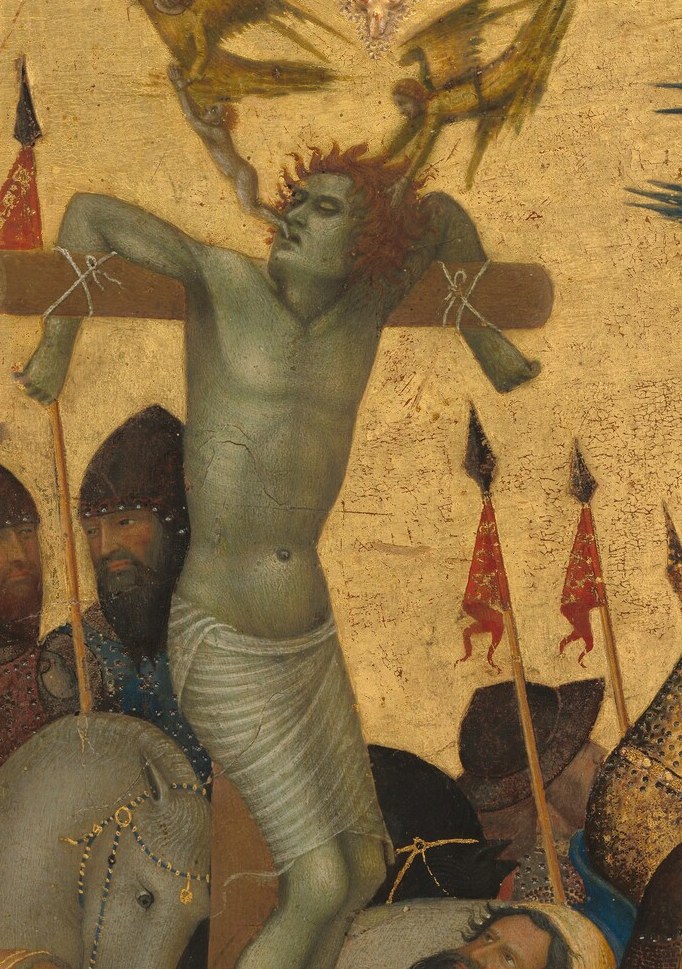
This powerful tempera on panel painting, "Scenes from the Passion of Christ: The Crucifixion [middle panel]" by Andrea di Vanni, created around 1384, offers a detailed visual account of one of Christianity's most pivotal moments.
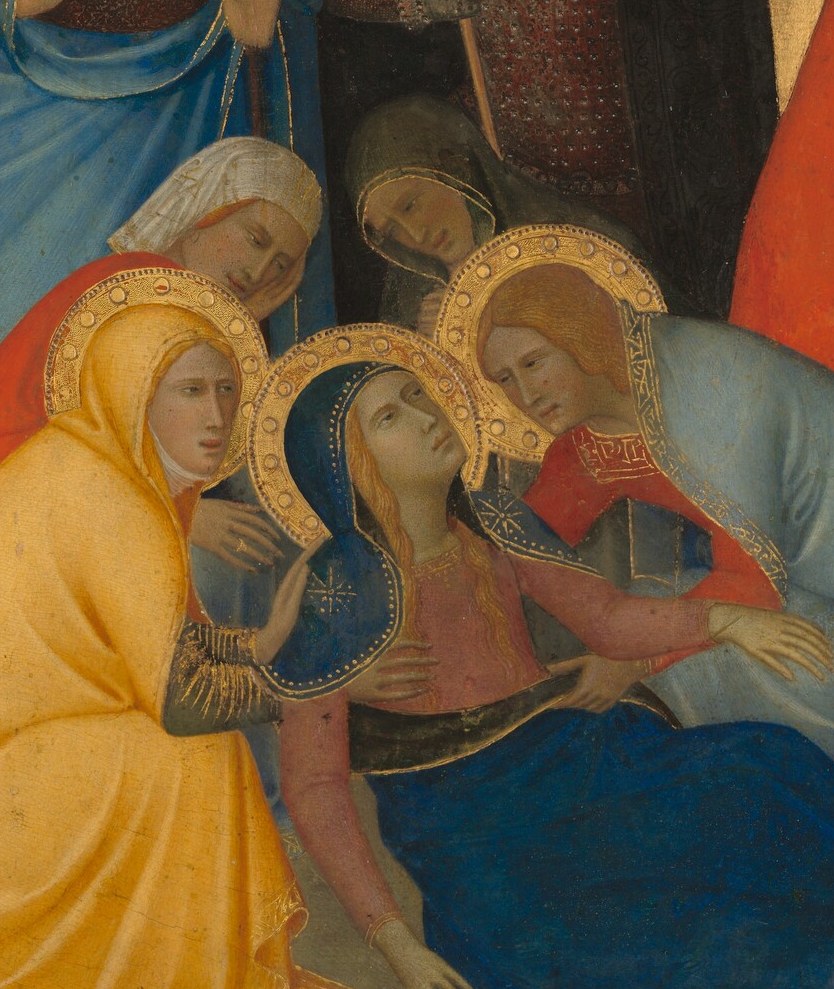
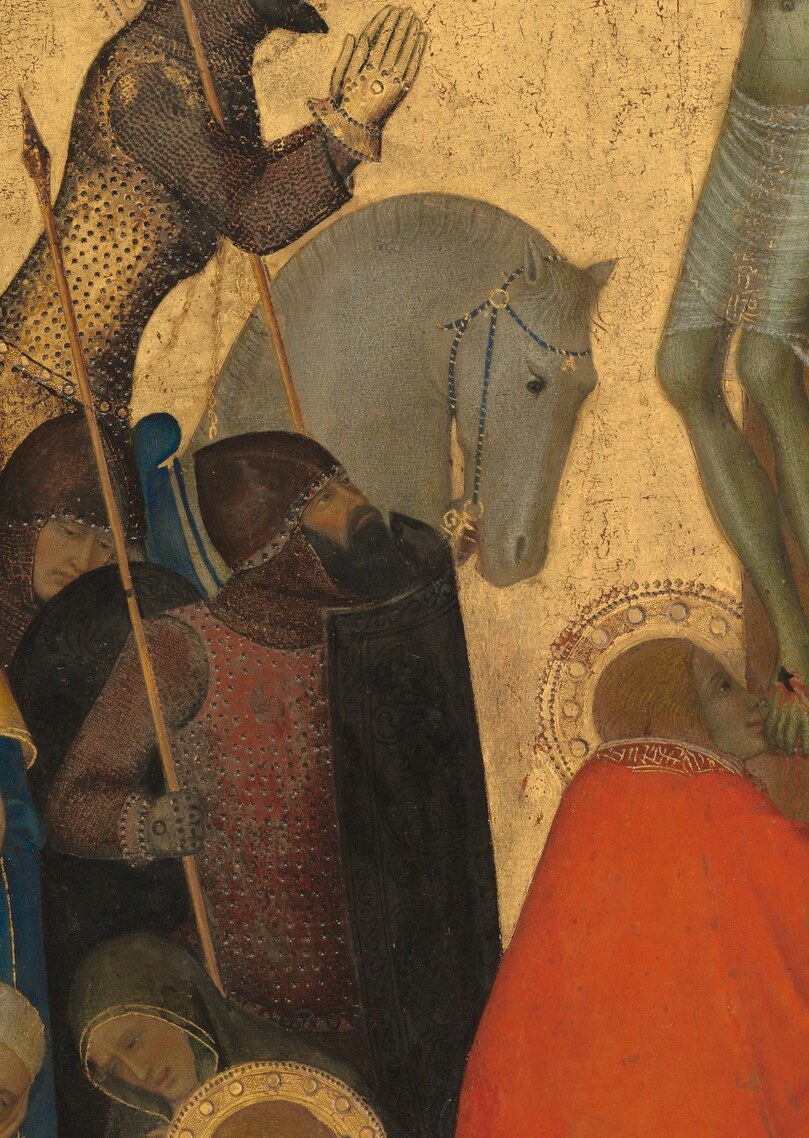
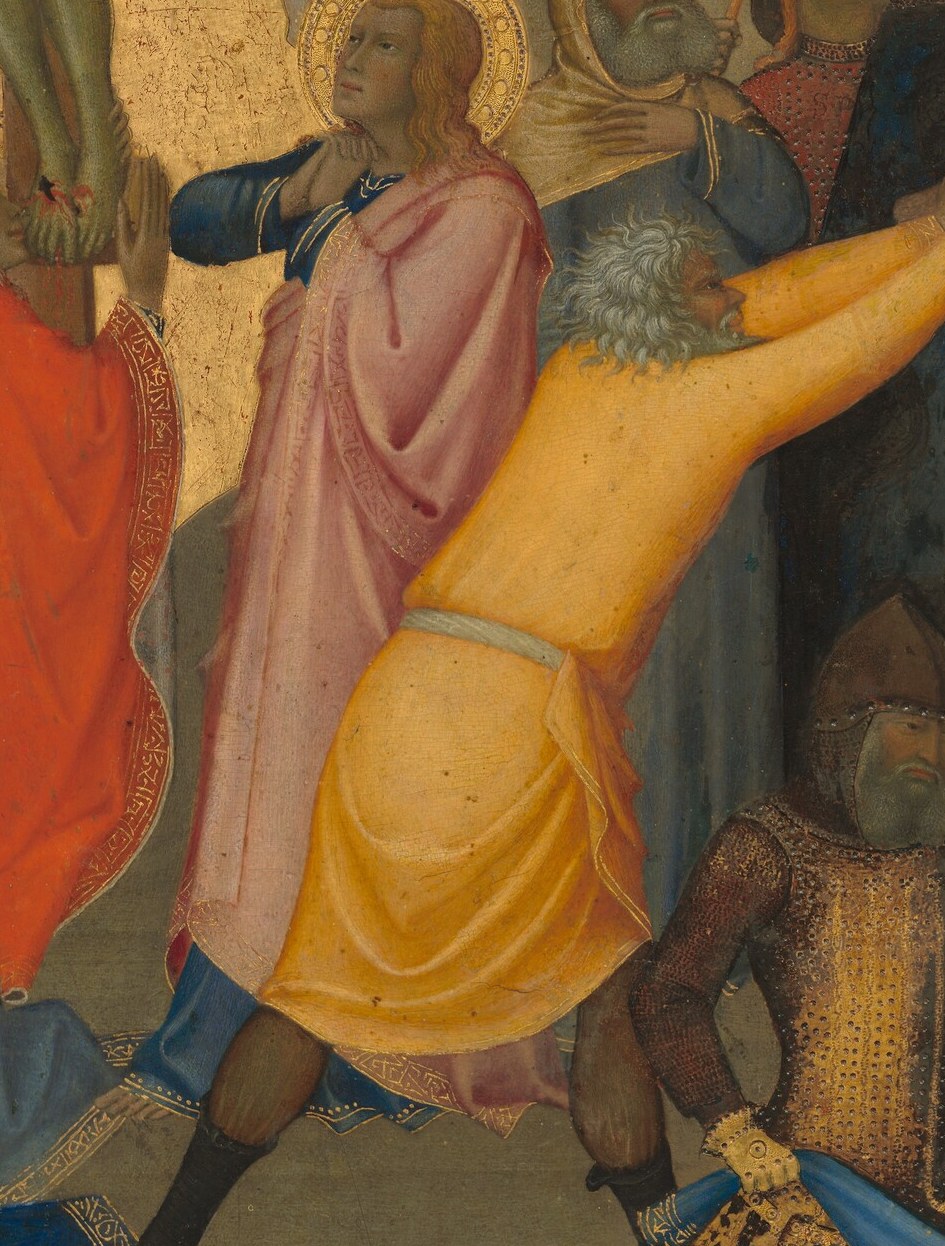
The artist meticulously renders the intense human drama surrounding the event. Look at the profound grief of Mary, supported by John, contrasting with the cold authority of the soldiers and the desperate gesture of the man in yellow. The gold background, typical of the period, elevates the sacred subject, imbuing the scene with timeless solemnity.
Originally the central element of a larger narrative series, this panel captures a spectrum of emotions and reactions, from sorrow and support to indifference and hostility. It invites contemplation on the suffering and sacrifice at the heart of the biblical story.
What emotions do you see reflected in the crowd witnessing this event?
Details
Transcript
This painting, from the 1380s, shows Christ's crucifixion. It was the central panel of a much larger narrative series. A gold background elevates the sacred subject, common for the time. Look closely at the figures around the cross. Mary kneels, embraced by John, expressing profound sorrow. But others, like this soldier, watch with authority and brutality. And this figure in yellow reaches up, perhaps in desperation or awe. The painting captures the varied human responses to the divine event.