The Seer by William Sergeant Kendall
William Sergeant Kendall painted his daughter Beatrice and wife Margaret as 'The Seer' in 1906, and the title means exactly what it says.
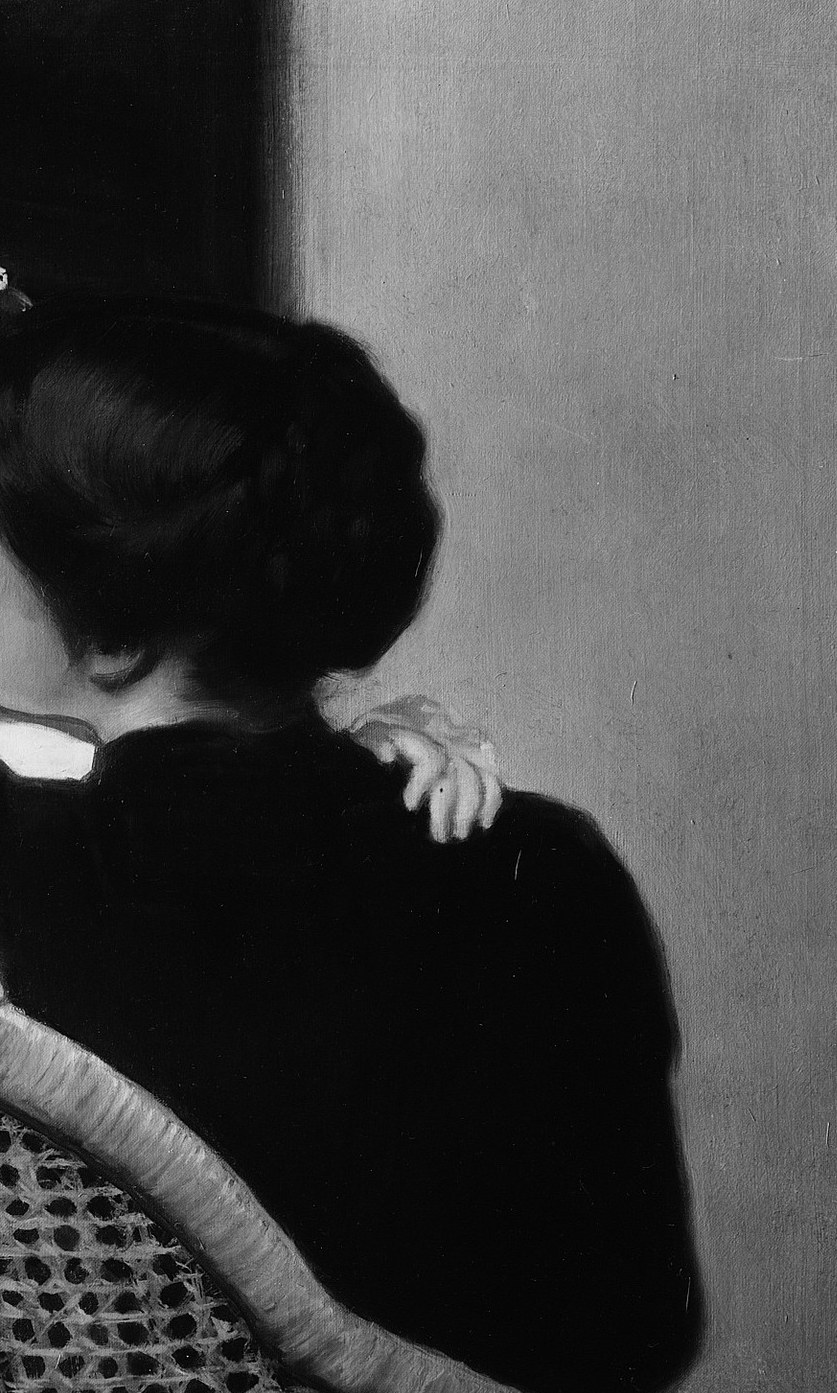
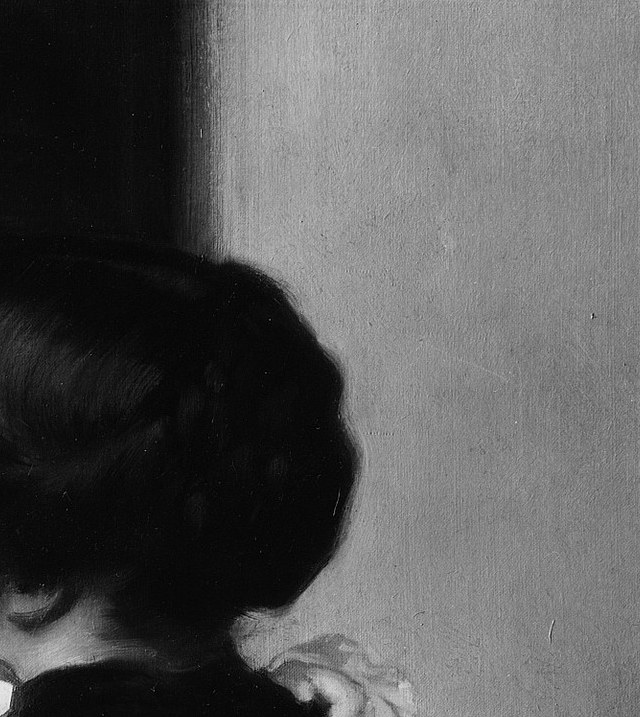
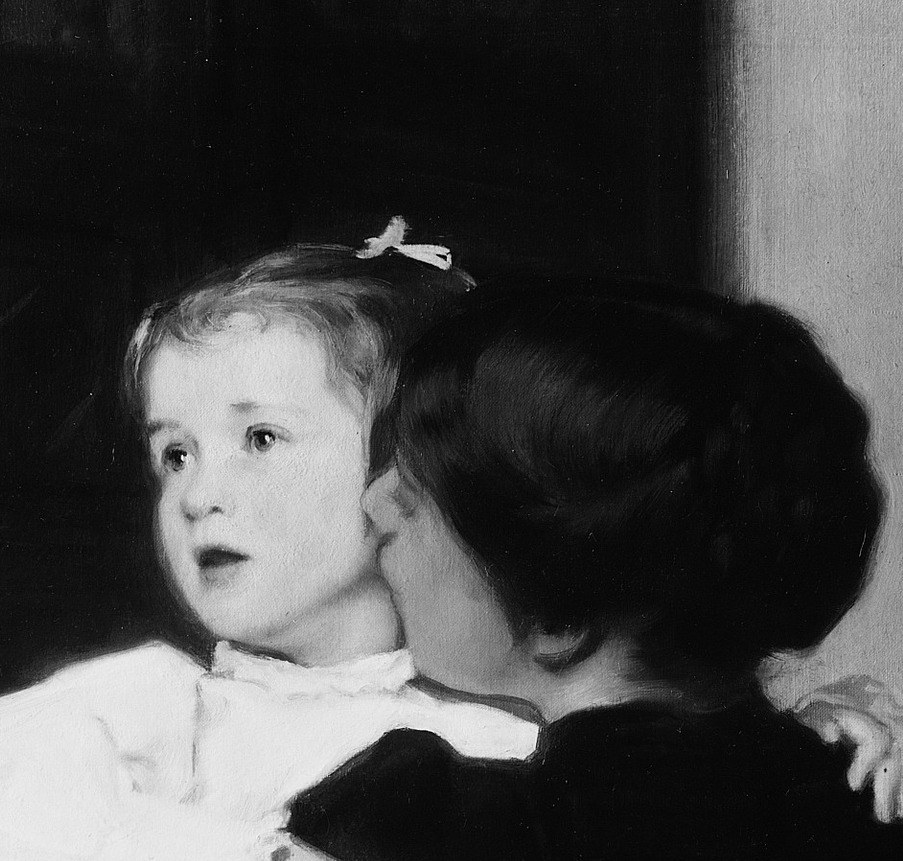
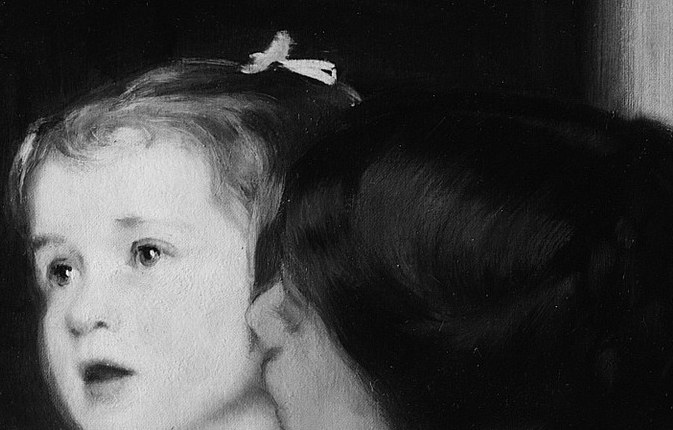
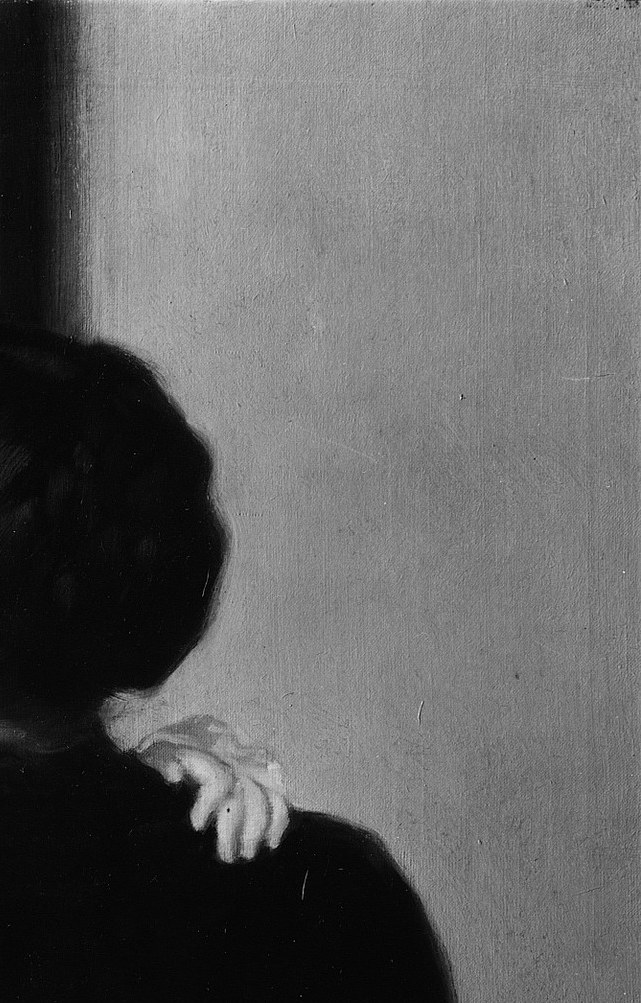
Look first at the light. The child is the only fully illuminated figure in the painting. Her white dress bodice, her face, the crisp bow in her hair all glow against a background that absorbs nearly everything else. Her mother leans in protectively from the upper right, but Kendall pushed her into such deep shadow that first-time viewers routinely miss her entirely.
The painting lives at The Metropolitan Museum of Art. Kendall was an American Impressionist who made his wife and three daughters the core subjects of his early work. In this canvas he used dramatic chiaroscuro, a technique more associated with Caravaggio than with domestic scenes, to make a theological argument in a living room: a small girl with a direct, self-possessed gaze becomes the painting's sole source of light.
You are meant to feel that she sees something you do not. Her mother, the chair, the very room recede into shadow so nothing competes with that face.
Details
Transcript
They look like an ordinary mother and daughter. But the mother is painted almost entirely in shadow. Her face barely registers, a ghost of concern at the edge of the dark. This is what the painter wanted you to see. His daughter Beatrice, lit like a candle in a dark room. Kendall called it The Seer. A small child with an unnervingly steady gaze.