Green Wheat Fields, Auvers by Gogh, Vincent van
Vincent van Gogh's Green Wheat Fields, Auvers, painted in 1890, captures a vibrant agricultural landscape from the final weeks of the artist's life. This oil on canvas, housed in a private collection, exemplifies his intense engagement with the natural world.
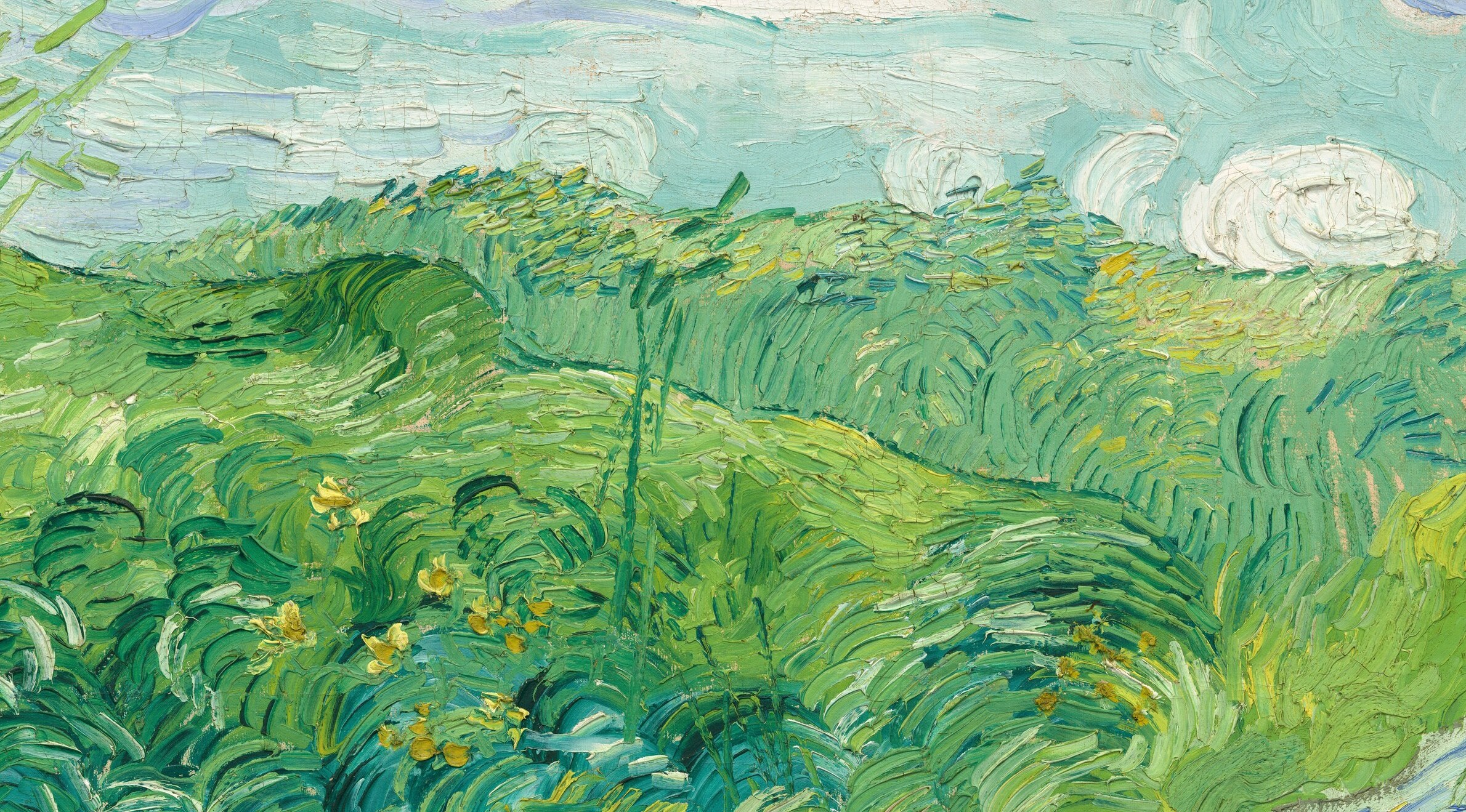
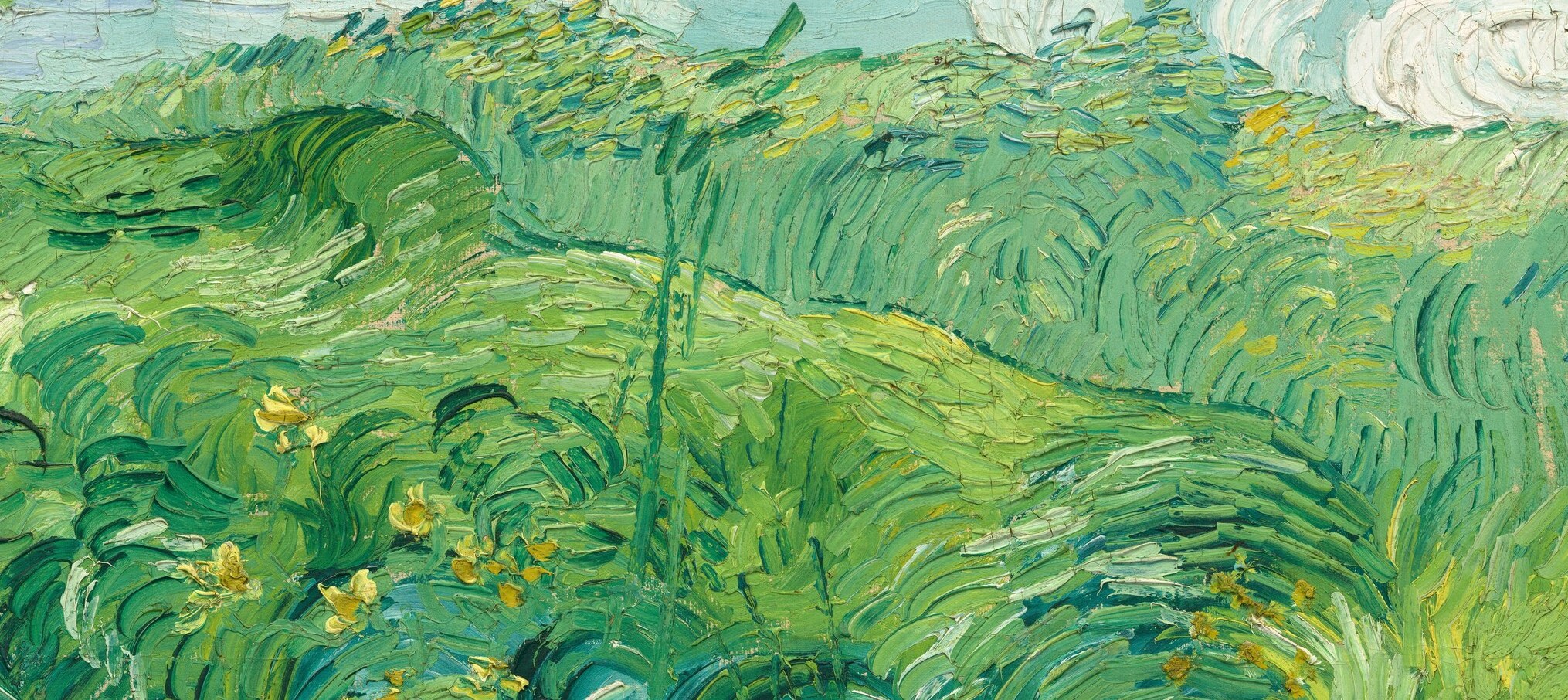
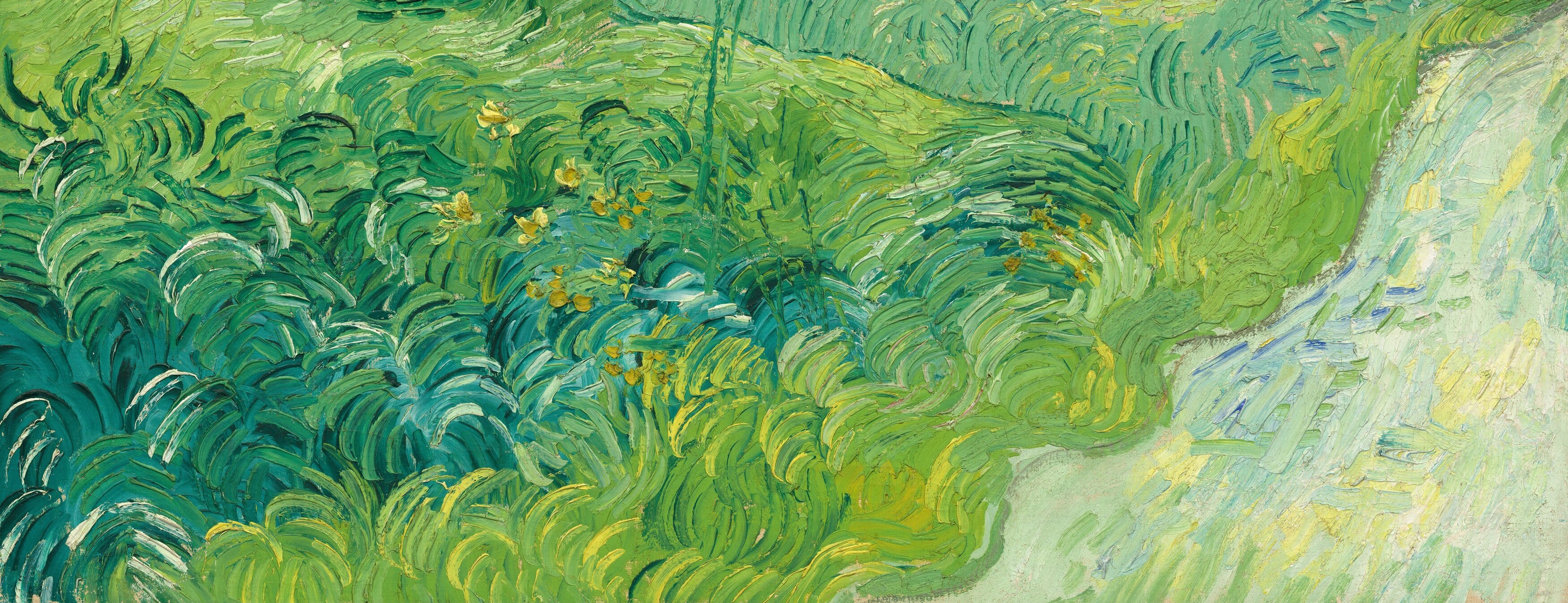
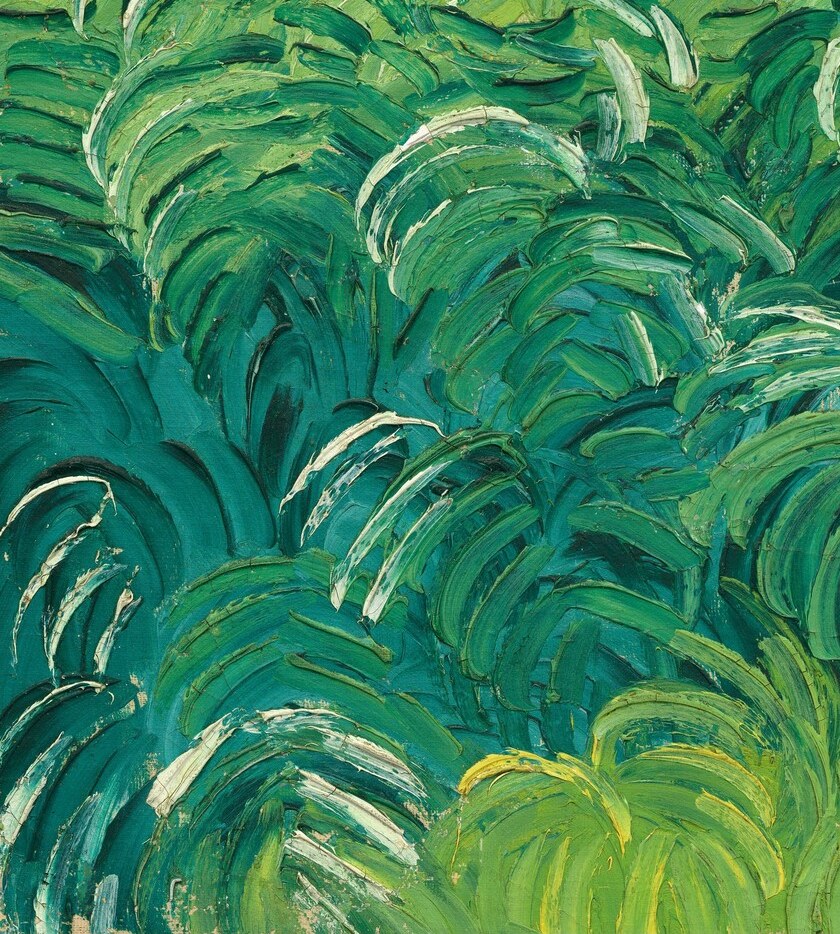
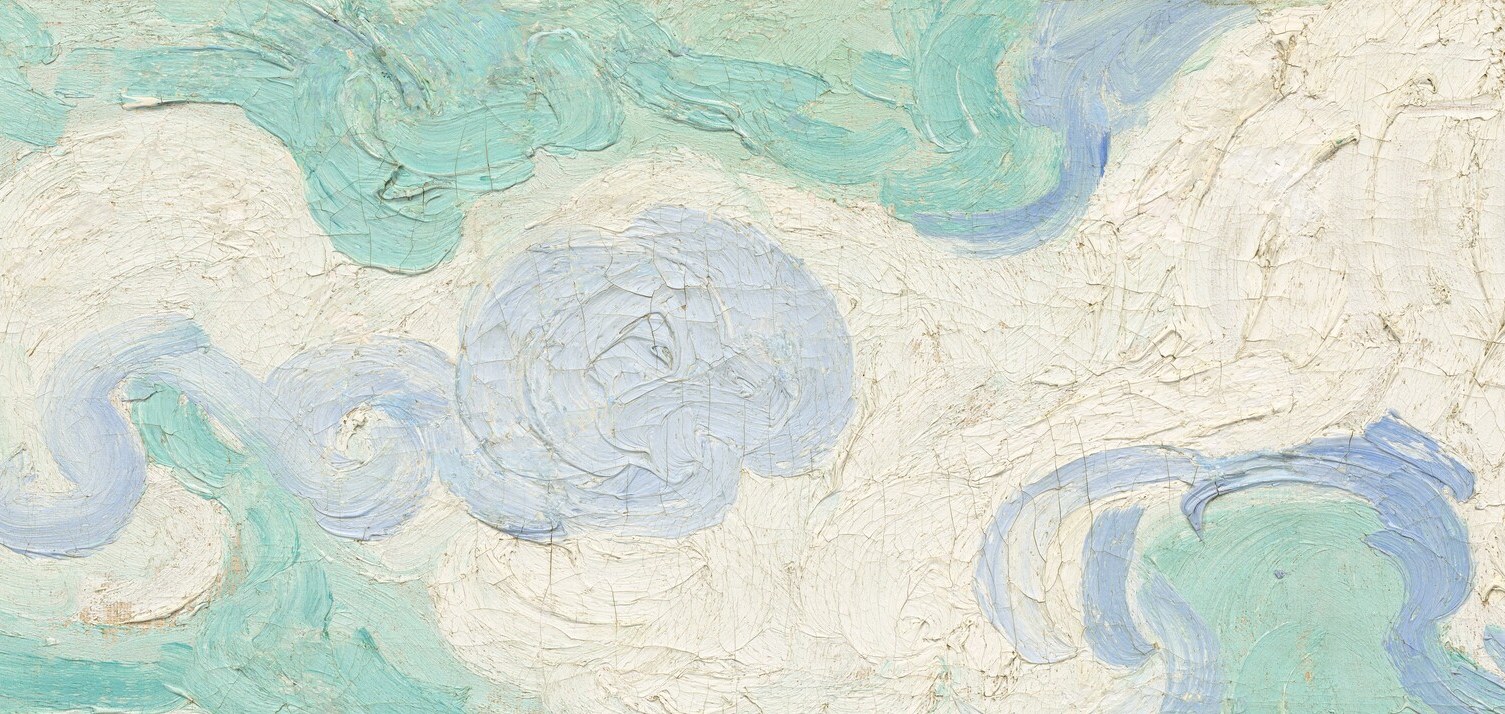
Observe how Van Gogh used thick, swirling brushstrokes to create a palpable energy in the wheat field. The impasto texture in the center of the field shows the artist's hand, making the paint itself a subject of the work.
Created during a period of prolific output despite his struggles with mental illness, this painting is one of van Gogh's last landscapes. He produced around 860 oil paintings in just over a decade, many completed in his final two years. His innovative use of color and brushwork profoundly influenced modern art.
This landscape reflects a moment of vital connection to nature, even as his life was nearing its end. What feeling does the movement in the field evoke for you?
Details
Transcript
This field of green wheat, painted in 1890, was one of the last landscapes van Gogh ever painted. Notice how the paint is applied thick, almost sculptural. Each brushstroke records his hand, his intense energy. He worked quickly, producing 860 paintings in ten years. He died by suicide just weeks after finishing this field.