Esther before Ahasuerus by Artemisia Gentileschi
Artemisia Gentileschi's Esther before Ahasuerus, painted around 1629 and now in the Metropolitan Museum of Art, captures the single most dangerous moment in the biblical heroine's life.
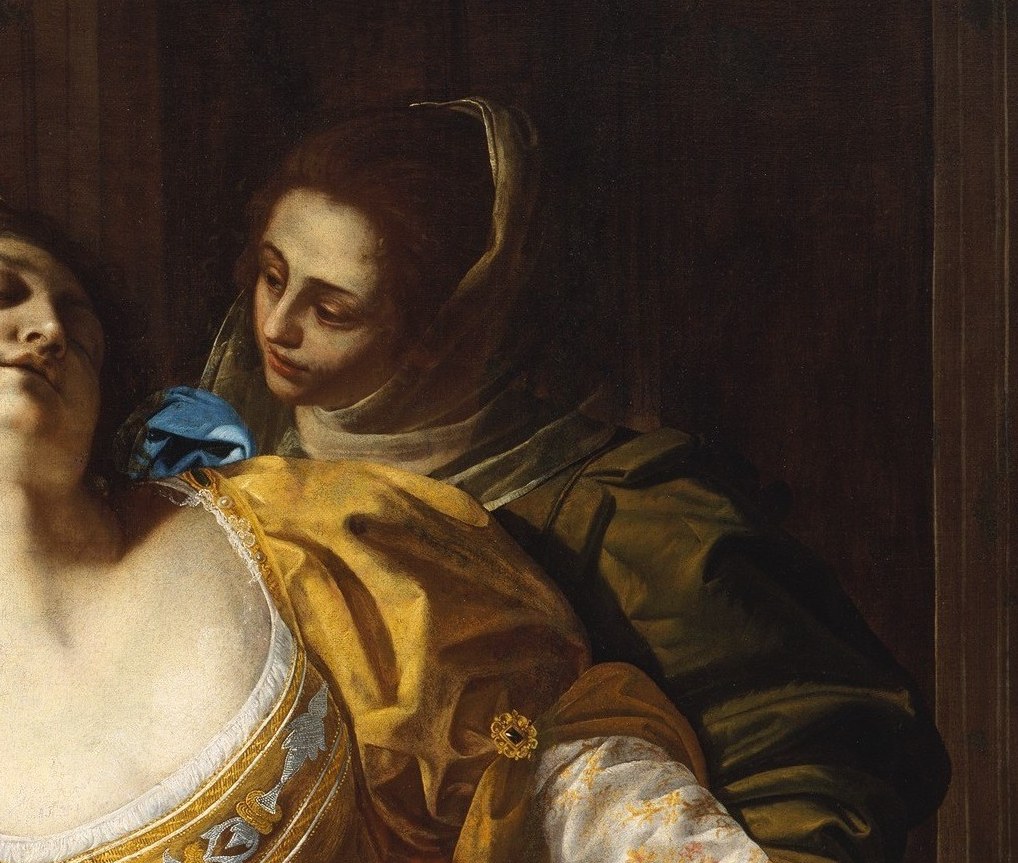
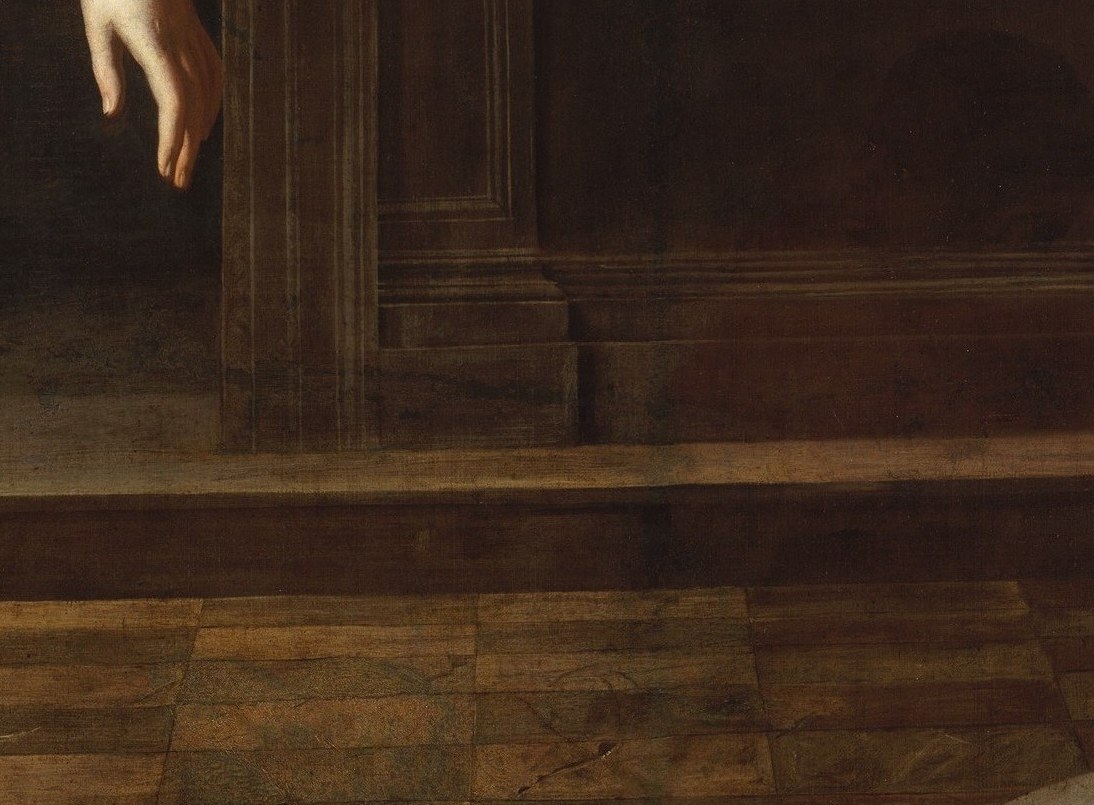
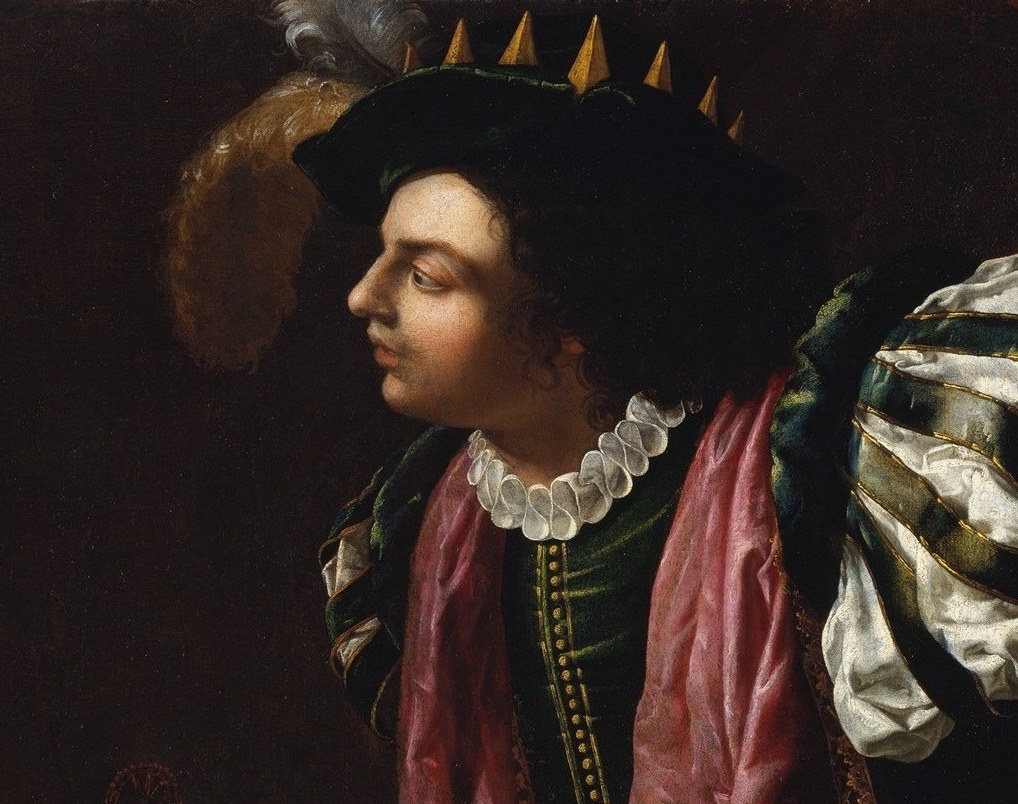
The painting holds on the instant between terror and relief. Esther's face carries something rare, not pure courage, but the physical cost of it. Her hands reach toward the king, and his scepter extends toward her. That gesture, from the Book of Esther chapter 5, is the signal that she will not be executed for her trespass. Gentileschi isolates the two figures against a dark architectural void, so nothing distracts from this exchange.
Gentileschi was the first woman admitted to Florence's Accademia di Arte del Disegno. She built an international career from Naples to the court of Charles I in England. She painted Judith, Susanna, and Esther, women who risked everything, with a physical gravity her male contemporaries rarely gave them. The choice of this scene, and the way Esther's body carries the weight of it, is not incidental.
A marginal figure stands half-hidden in shadow behind Esther: the handmaiden who witnessed the act. Even in the moment of salvation, she was not alone. What do you see in Esther's face, collapse, resolve, or both?
Details
Transcript
In the Book of Esther, approaching the king uninvited meant death. Look at her face. This is the instant between the death sentence and the pardon. Her hands reach across the void, pleading, but not cowering. In the story, the king extends his golden scepter. She will live. Artemisia Gentileschi painted this. She knew what it cost a woman to stand before power.