Meadow by Sisley, Alfred
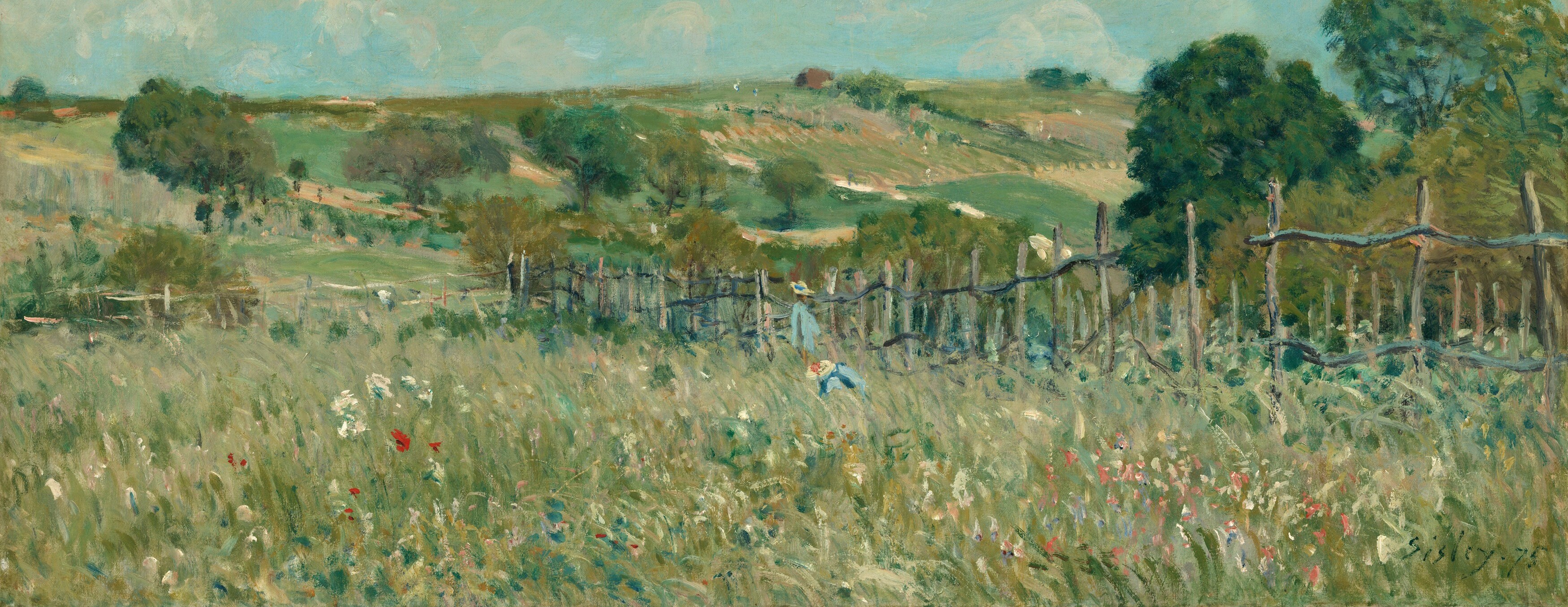
Alfred Sisley's 1875 painting, "Meadow," now at the National Gallery of Art in Washington D.C., is a classic Impressionist landscape that captures a serene scene near Louveciennes, outside Paris. Its journey to the museum, however, was anything but serene, involving a series of notable collectors and sales.
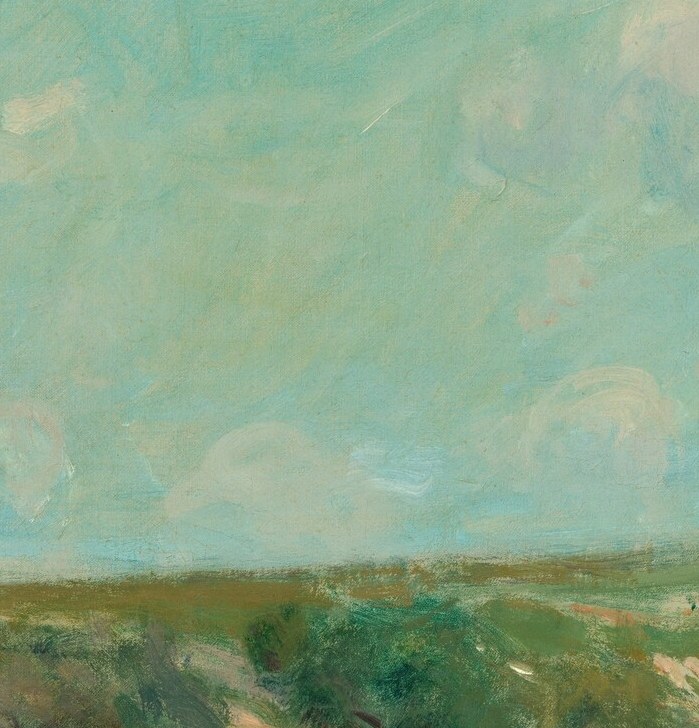
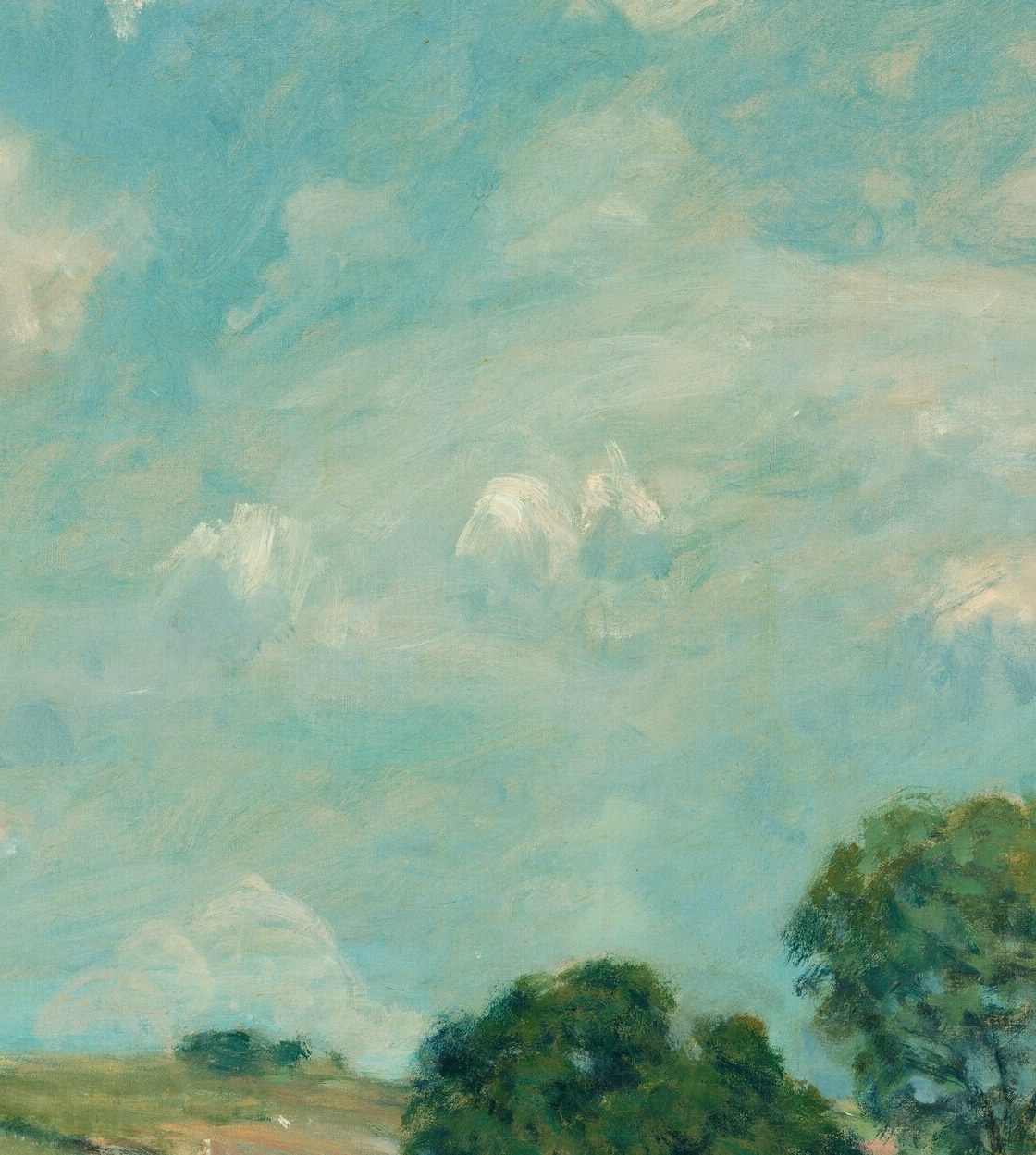
Take a close look at the vibrant foreground, with its "enamelled flowers" of daisies, poppies, and blueberries, a detail specifically noted in one of its early catalogue descriptions. The two small girls gathering flowers emphasize the peaceful, everyday quality of the scene, a hallmark of Sisley’s dedication to painting outdoors, en plein air.
The painting was initially part of Count Armand Doria's significant collection. Following his death, it passed through the hands of prominent dealers like Durand-Ruel and Bernheim-Jeune, before being acquired by Jules Strauss. In 1933, it found a new home with Senator Antonio Santamarina in Buenos Aires, only to later return to the US through Wildenstein & Co Gallery. It was finally bequeathed to the National Gallery of Art by Ailsa Mellon Bruce in 1970, securing its place in public view.
Sisley was a French-born British Impressionist known for his consistent focus on landscapes. His work often evokes a sense of tranquility through its pale shades and atmospheric effects. What details in this painting make you feel the most at peace?
Details


Transcript
This Impressionist meadow was painted in 1875 near Paris. Its beauty hides a long journey through many collectors. It was first owned by a French count, Armand Doria. He described its “enamelled flowers” and “blonde foliage.” After his death, it was sold and resold by major dealers. In 1933, it traveled to Buenos Aires, then to New York. Finally, in 1970, it was gifted to its museum home.