De brug over de IJssel bij Doesburg by Willem Roelofs
Willem Roelofs' "De brug over de IJssel bij Doesburg," painted in 1895, captures a tranquil moment along the IJssel river, a quintessential example of Dutch landscape painting from the Rijksmuseum collection.
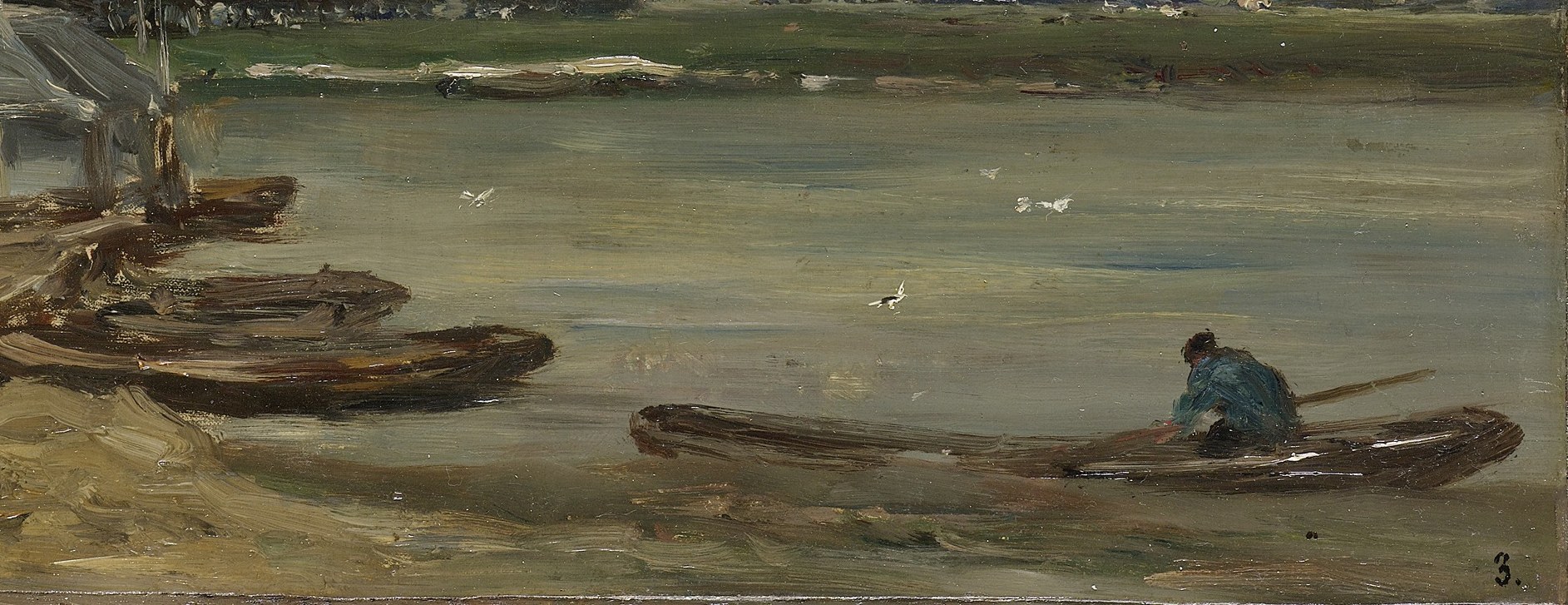
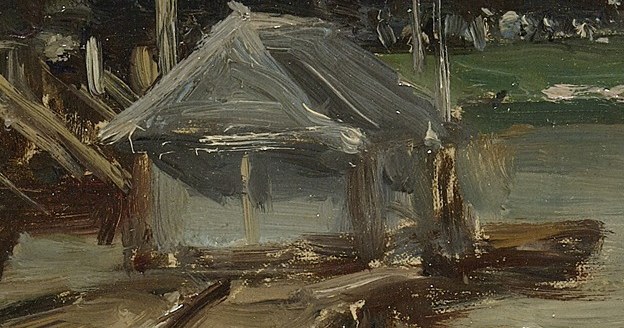
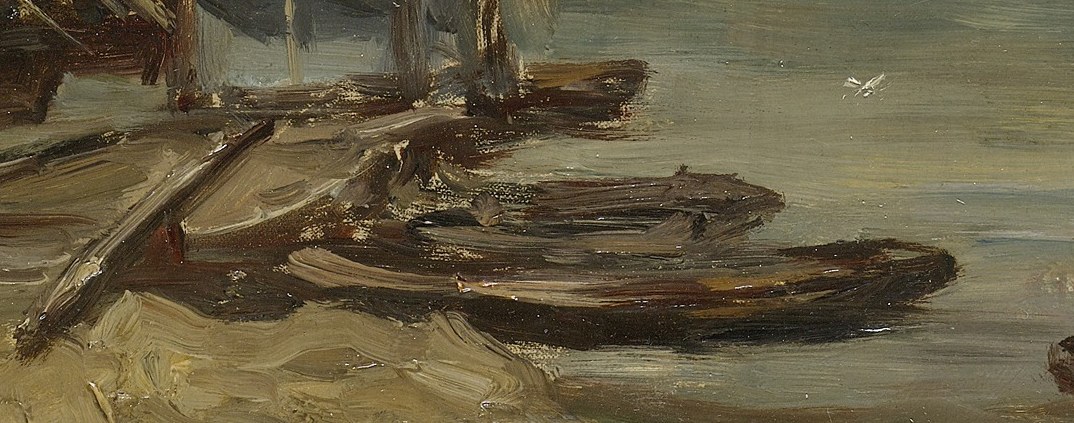
While the expansive sky and calm water dominate, a small, unassuming detail on the riverbank often goes unnoticed: a tent-like structure. This isn't just a quirky visual element; it's a window into the everyday life of the period.
These humble shelters were common fishermen's huts, offering refuge from the elements during long hours on the water. Roelofs, a prominent member of The Hague School, often incorporated such realistic, atmospheric details to ground his landscapes in the human experience.
The painting shows how even the quietest details can tell a rich story about life, environment, and art.
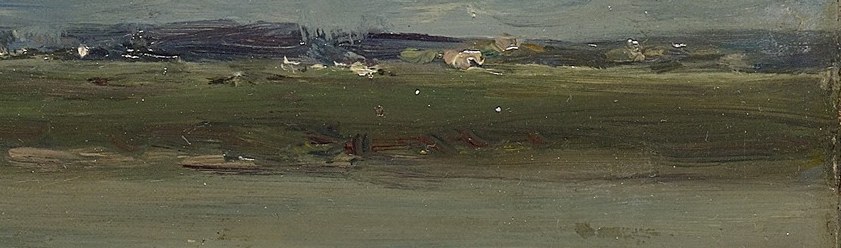
Details
Transcript
Willem Roelofs painted this peaceful river scene in 1895. He was a key figure in the Hague School of painting. Most of his landscapes feature serene bodies of water. But look closely at the riverbank on the left. There's a strange, tent-like structure here. It's likely a fisherman's hut, a common sight then. They provided shelter during long hours on the water.