Lucy Tappan Bowen (Mrs. Henry C. Bowen) by Carpenter, Francis Bicknell
Lucy Tappan Bowen (Mrs. Henry C. Bowen), painted by Francis Bicknell Carpenter in 1859, captures a woman at a pivotal moment in American history. As the wife of a prominent New York abolitionist, Lucy Bowen would have been deeply engaged in the passionate and often dangerous fight against slavery. The year this portrait was painted, 1859, saw John Brown's raid on Harpers Ferry, an event that pushed the United States further towards Civil War.
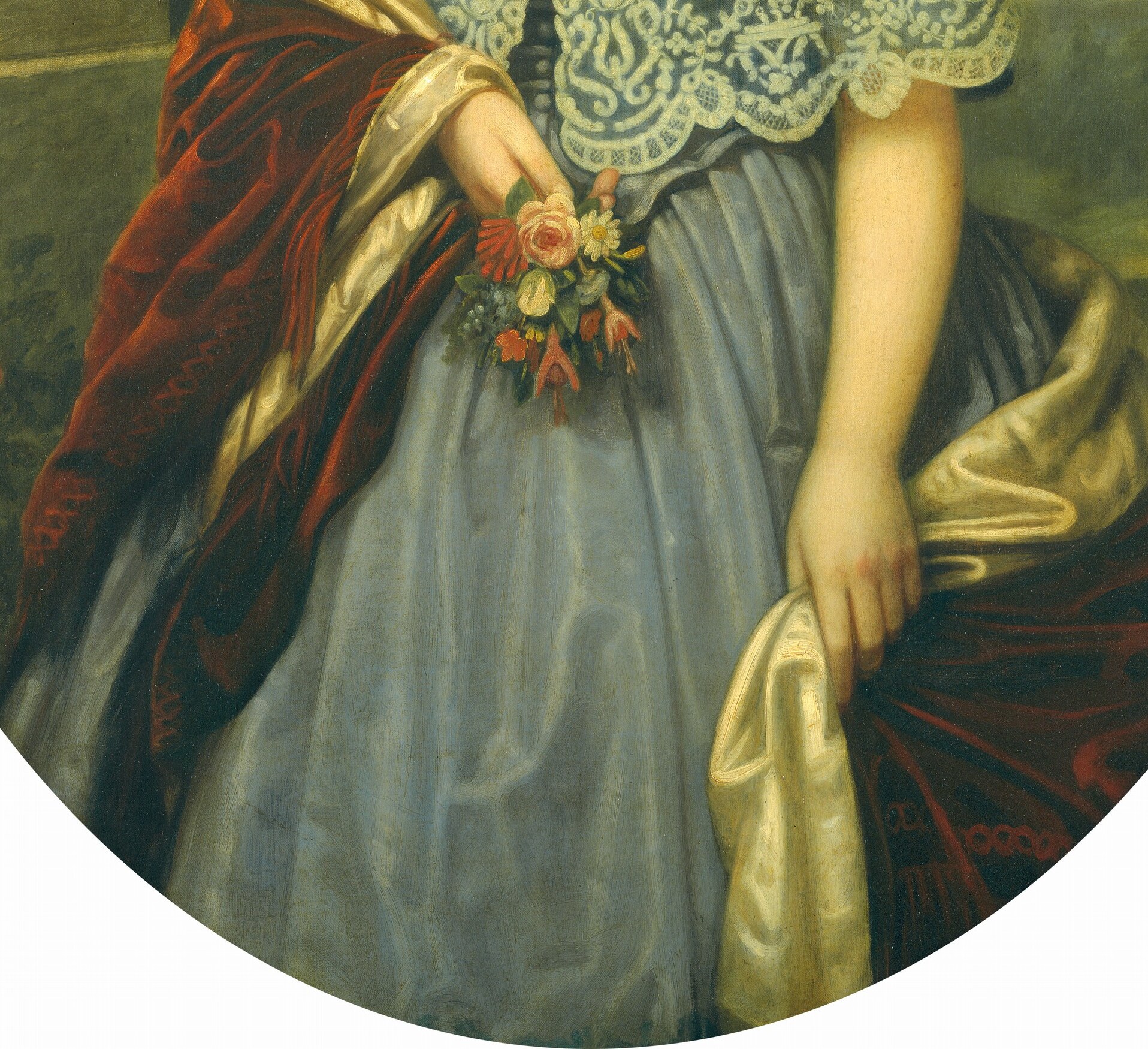
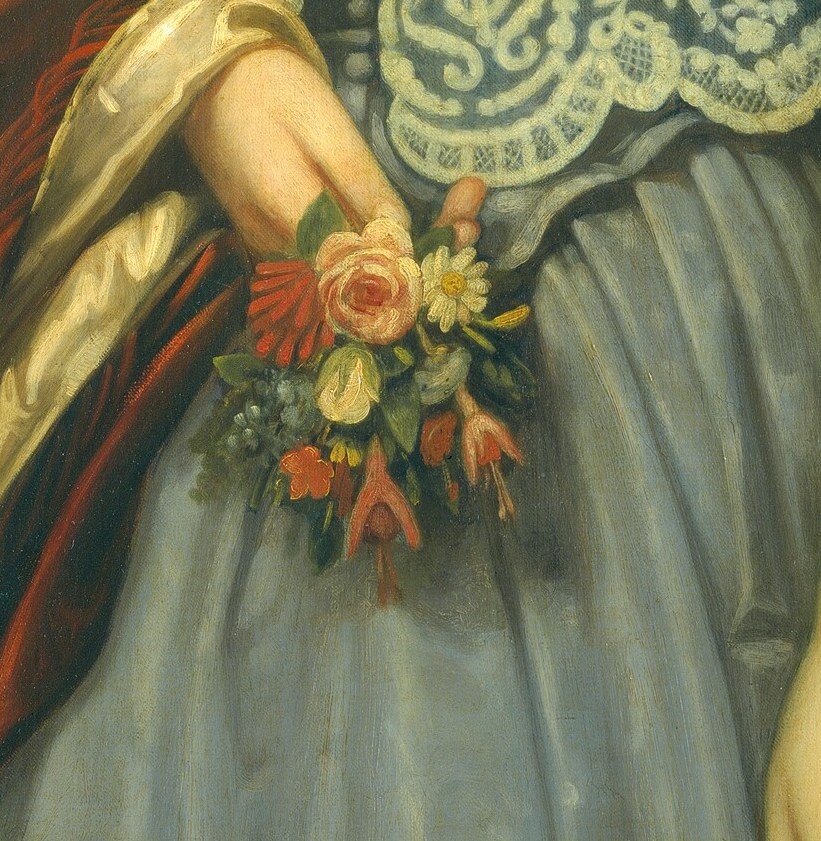
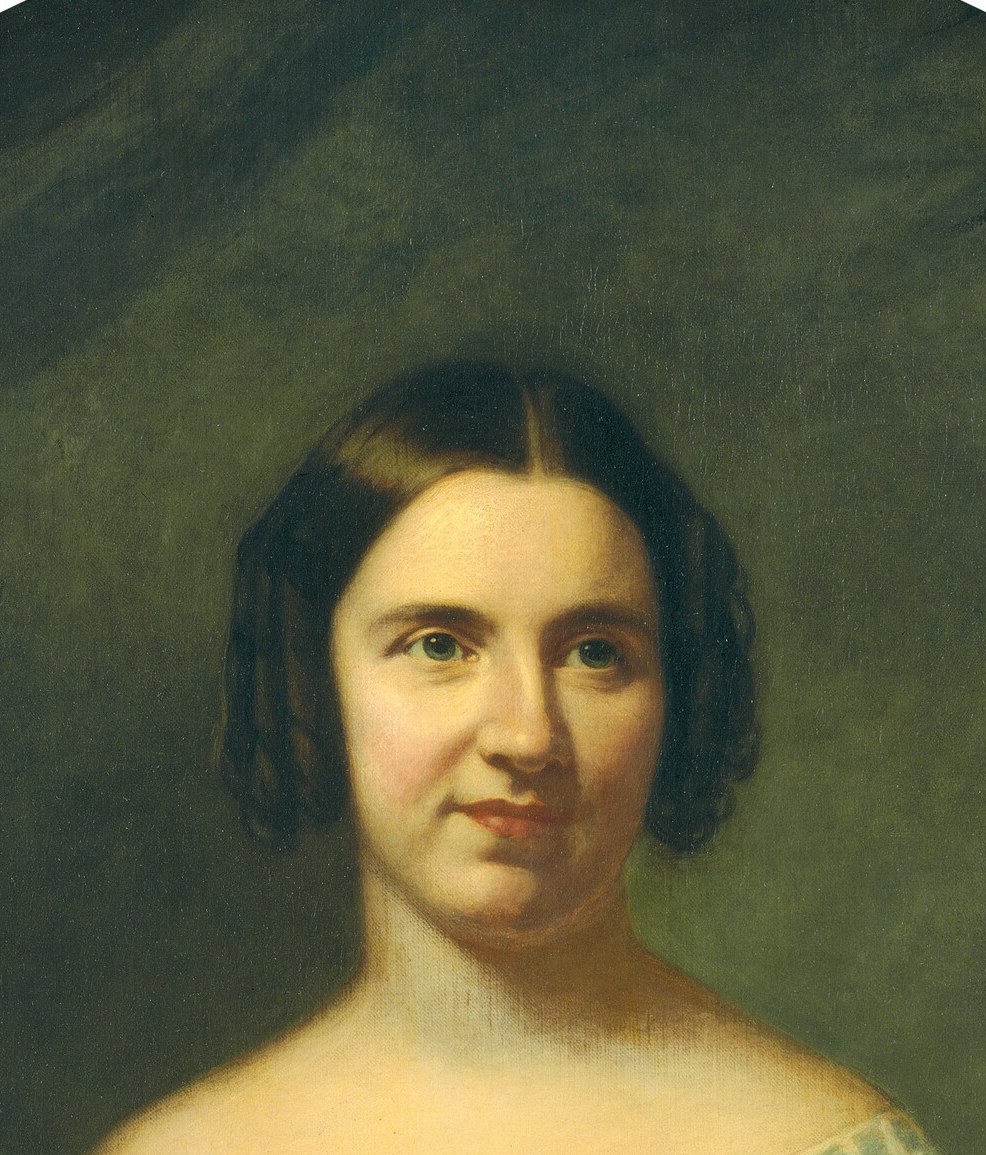
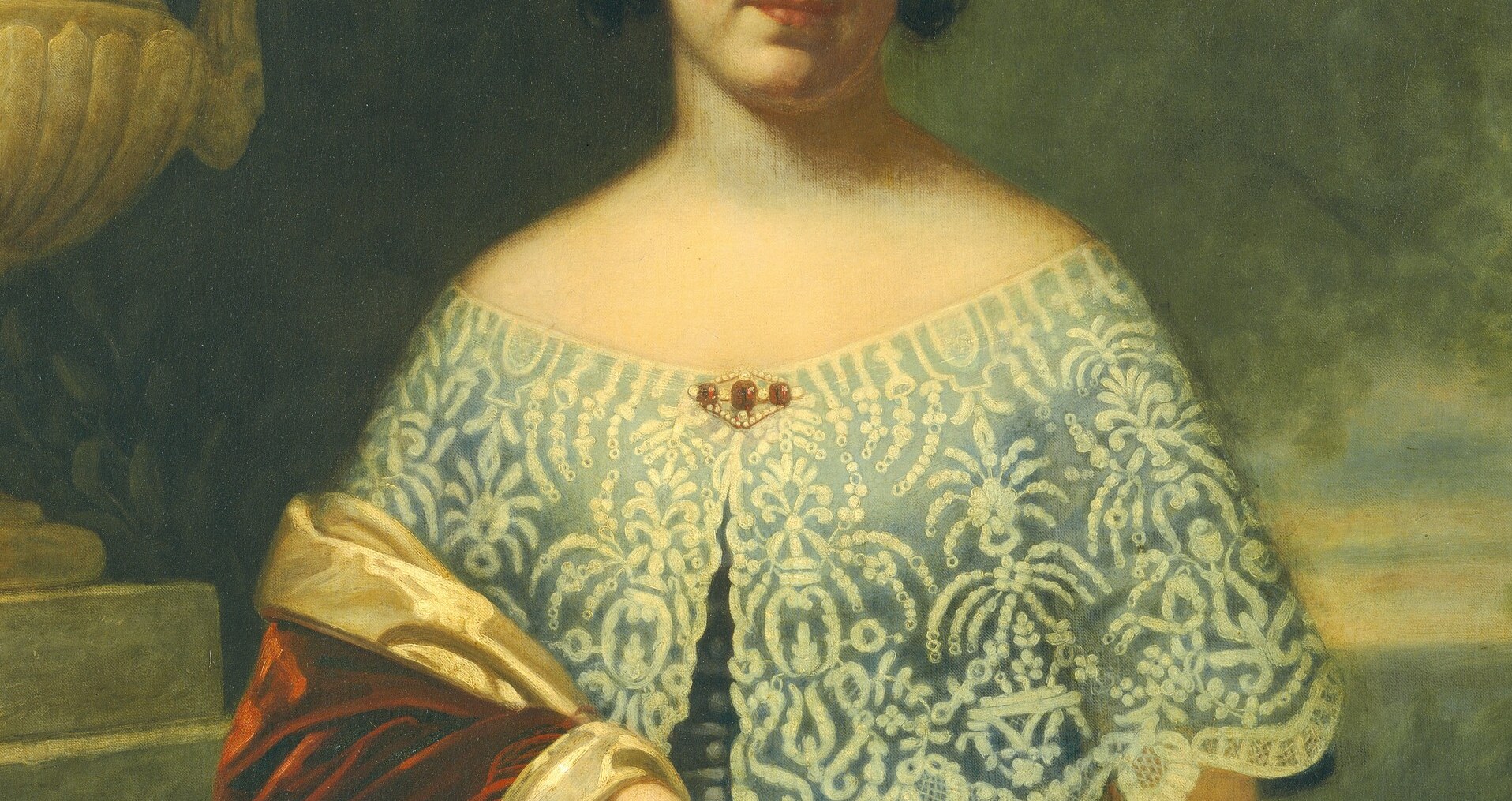
Carpenter renders her with an air of composed elegance, from her fashionable blue-gray silk dress to the delicate lace collar. Her direct and self-possessed gaze, however, suggests a woman of substance and resolve, reflecting the gravity of the times. The bouquet of flowers in her hand, while a traditional symbol of femininity, feels imbued with a deeper meaning given her context.
This painting is a window into the lives of those who supported the abolitionist cause from positions of influence, depicting not just a likeness, but perhaps the quiet determination of a woman facing an uncertain future for her nation. What do you see in her expression?
This oil on canvas portrait is held in a private collection.
Details

Transcript
This is Lucy Tappan Bowen, painted in 1859. She was the wife of a wealthy New York abolitionist. That year, John Brown raided Harpers Ferry. The nation teetered on the brink of civil war. She holds a bouquet, a common symbol of virtue. But her direct gaze holds a quiet, steely resolve.