Landscape at Saint-Ouen by Georges Seurat
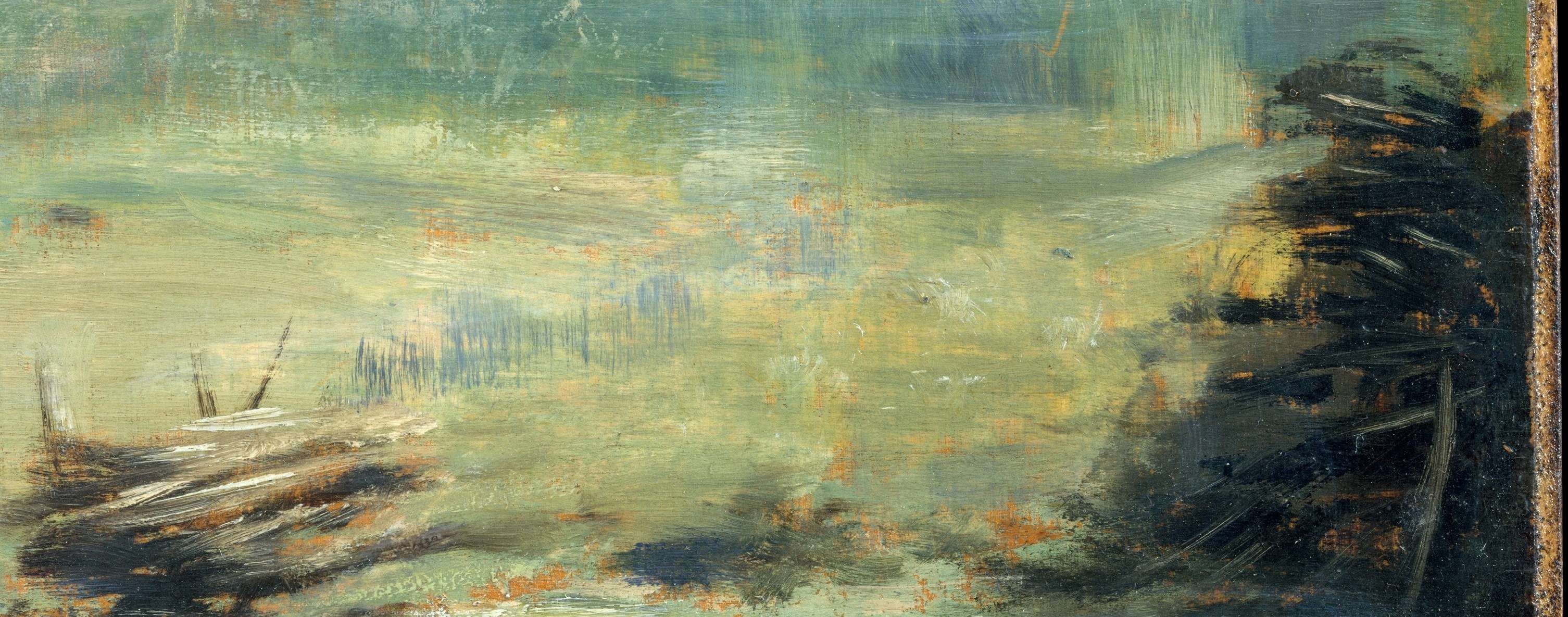
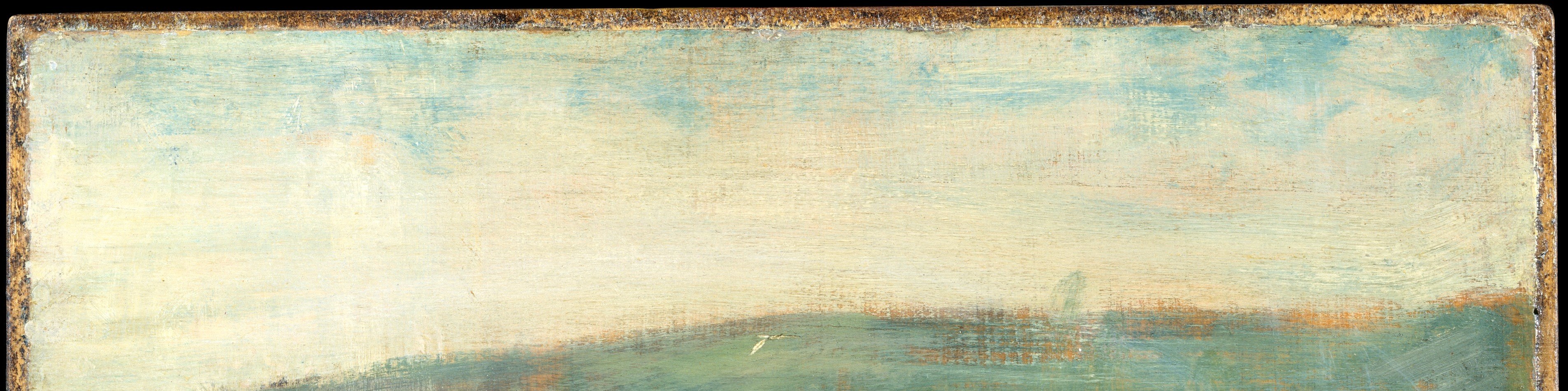
Georges Seurat's Landscape at Saint-Ouen (c. 1878) at The Metropolitan Museum of Art is a masterful study in capturing atmospheric light through visible brushwork. Notice how Seurat, known later for Pointillism, uses rapid, loose strokes here.
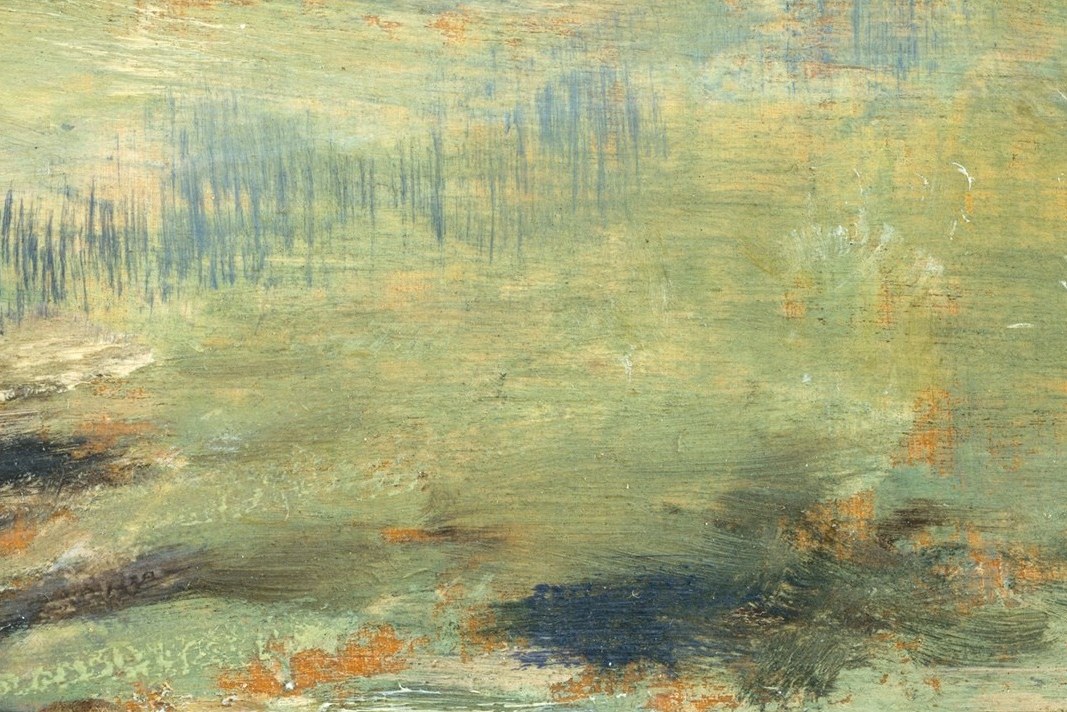
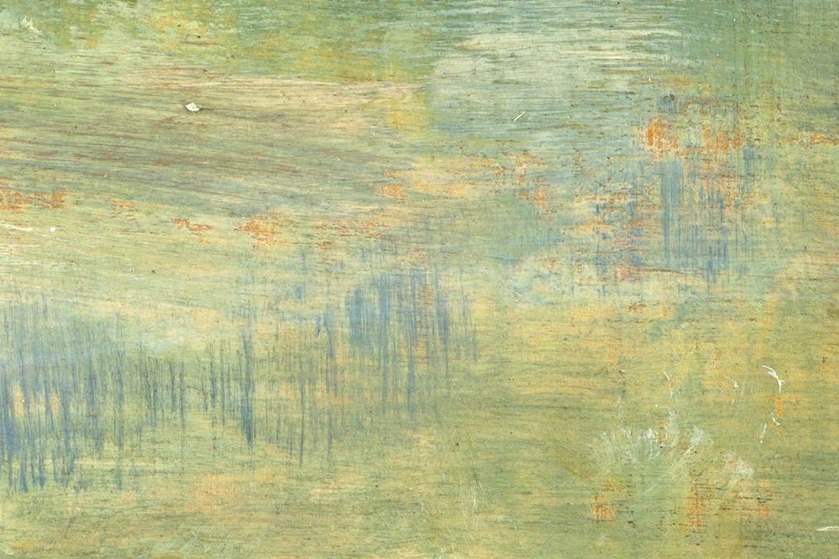
Look closely at the water's surface, where textured brushstrokes directly convey movement and light. Patches of orange and vertical blue streaks add visual interest and suggest reflections or submerged elements, showing the paint's direct role.
This early work showcases Seurat's skill in rendering a serene landscape before his more systematic Neo-Impressionist techniques. It's a testament to his ability to build mood and depth using only paint application and color.
A remarkable example of how artists harness raw materials to create illusion.
Details
Transcript
Look at the water's textured surface. Rapid strokes build rippling light. Orange patches hint at reflections. Vertical blue streaks add abstract texture. His loose brushwork captures atmosphere. The artist uses paint to build light.