The Beach at Sainte-Adresse by Claude Monet
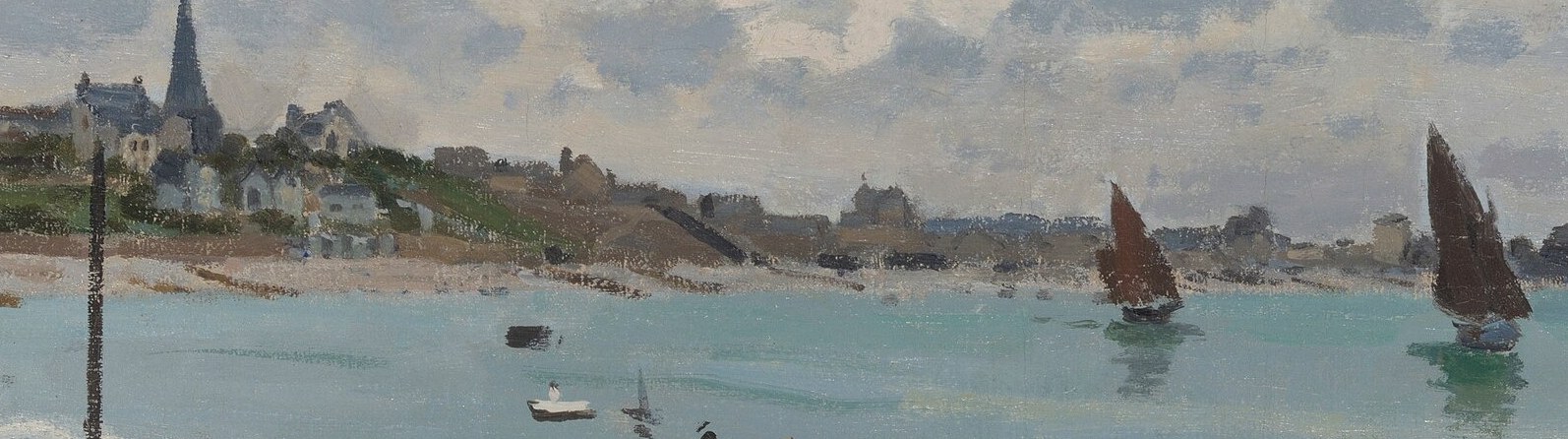
Claude Monet's "The Beach at Sainte-Adresse," painted in 1867, is a subtle social commentary disguised as a tranquil coastal scene. Now part of the Art Institute of Chicago's collection, it was first exhibited with favorable reactions in 1876.
Look closely at how Monet depicts two distinct social classes on the same stretch of beach. The three fishermen in the foreground, with their casual postures and practical attire, represent the working life of the coast. Their presence grounds the painting in everyday labor.
Then, shift your gaze to the distant bourgeois couple, elegantly dressed for leisure. Their leisurely stroll contrasts sharply with the working figures. Monet captures this social stratification within a shared natural environment, a quiet observation of his contemporary world.
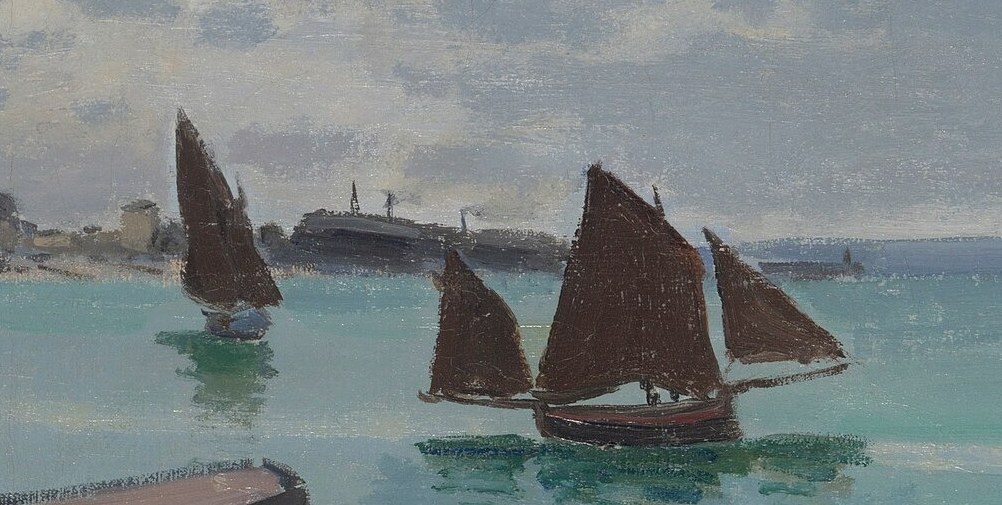
Monet painted this work alongside "Regatta at Sainte-Adresse" from nearly the same location, illustrating his keen interest in the varied aspects of coastal life and society.
Details

Transcript
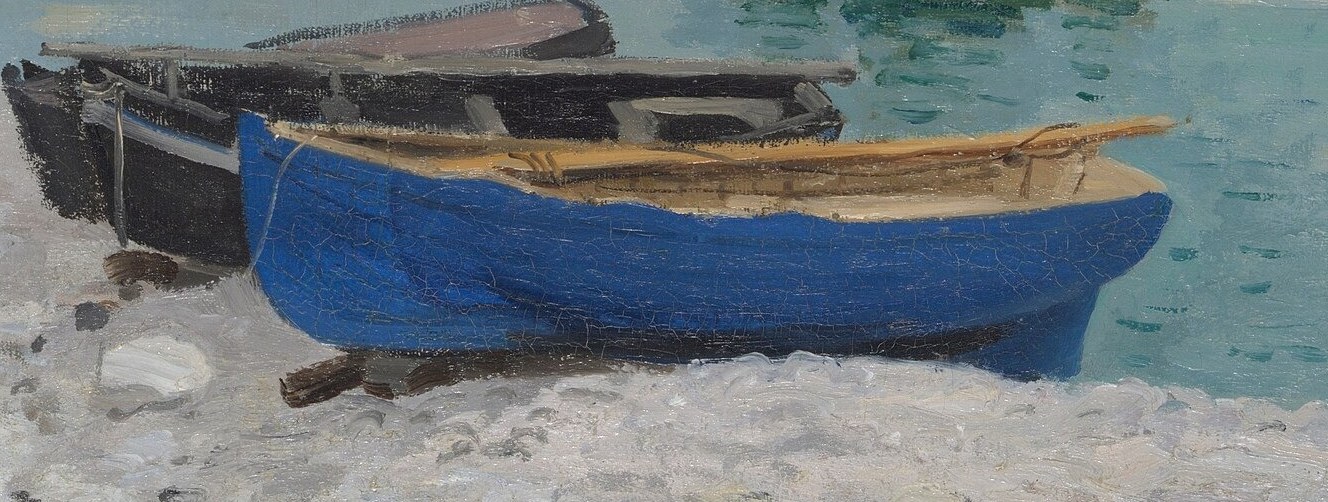
This painter often showed the world as he saw it. Here, he captures a beach in Normandy in 1867. Notice the three fishermen, casually at rest. Their attire reflects their daily labor on the coast. Now look to the distance, near the blue boat. A bourgeois couple strolls, dressed for leisure. The painter shows two worlds, sharing one beach.