Democritus by Hendrick ter Brugghen
Hendrick ter Brugghen’s 1628 painting *Democritus* captures the ancient philosopher known as “the Laughing Philosopher.” This work, housed in the Rijksmuseum, is a prime example of Dutch Caravaggism, showcasing Ter Brugghen’s masterful use of dramatic light and shadow.
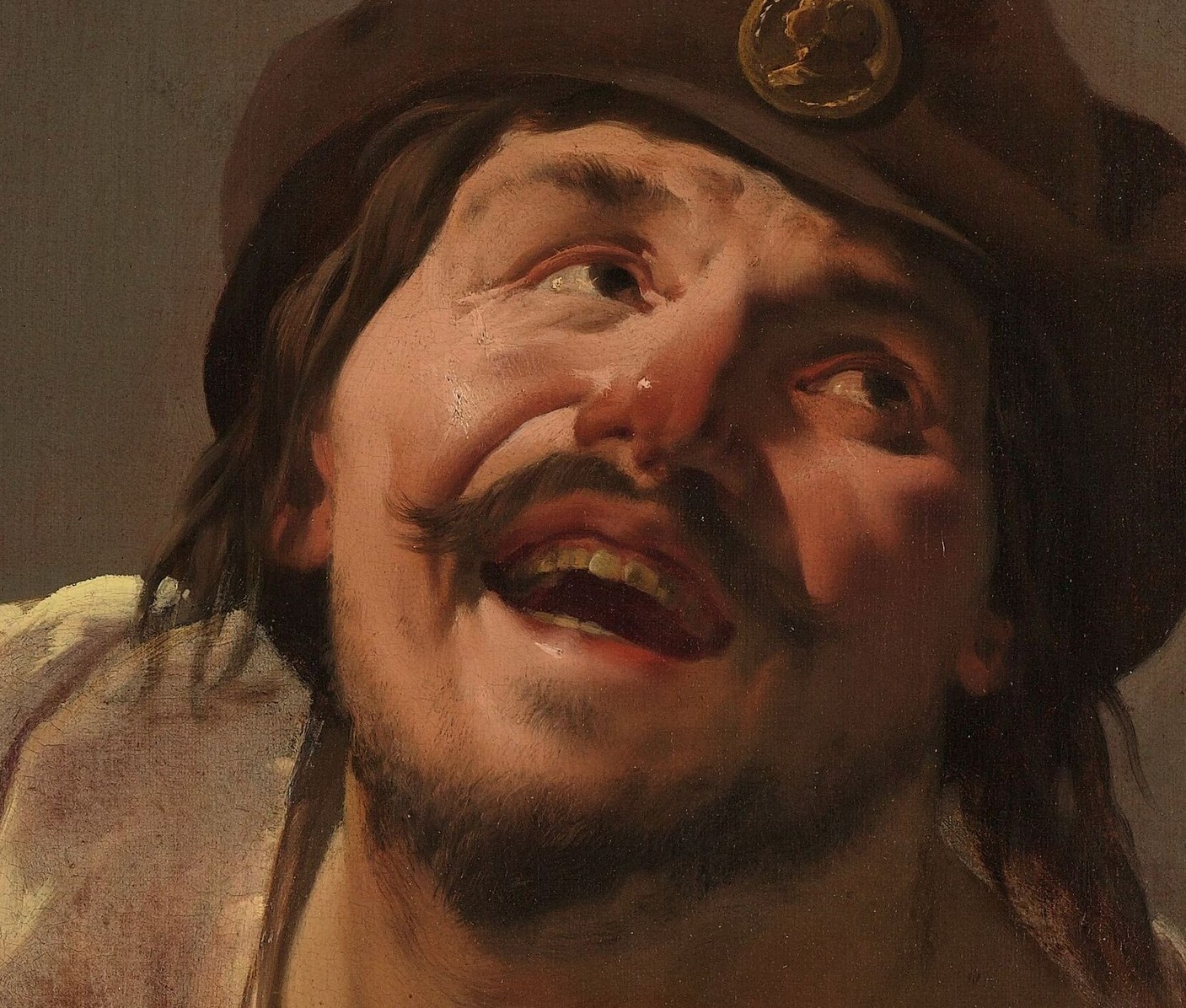
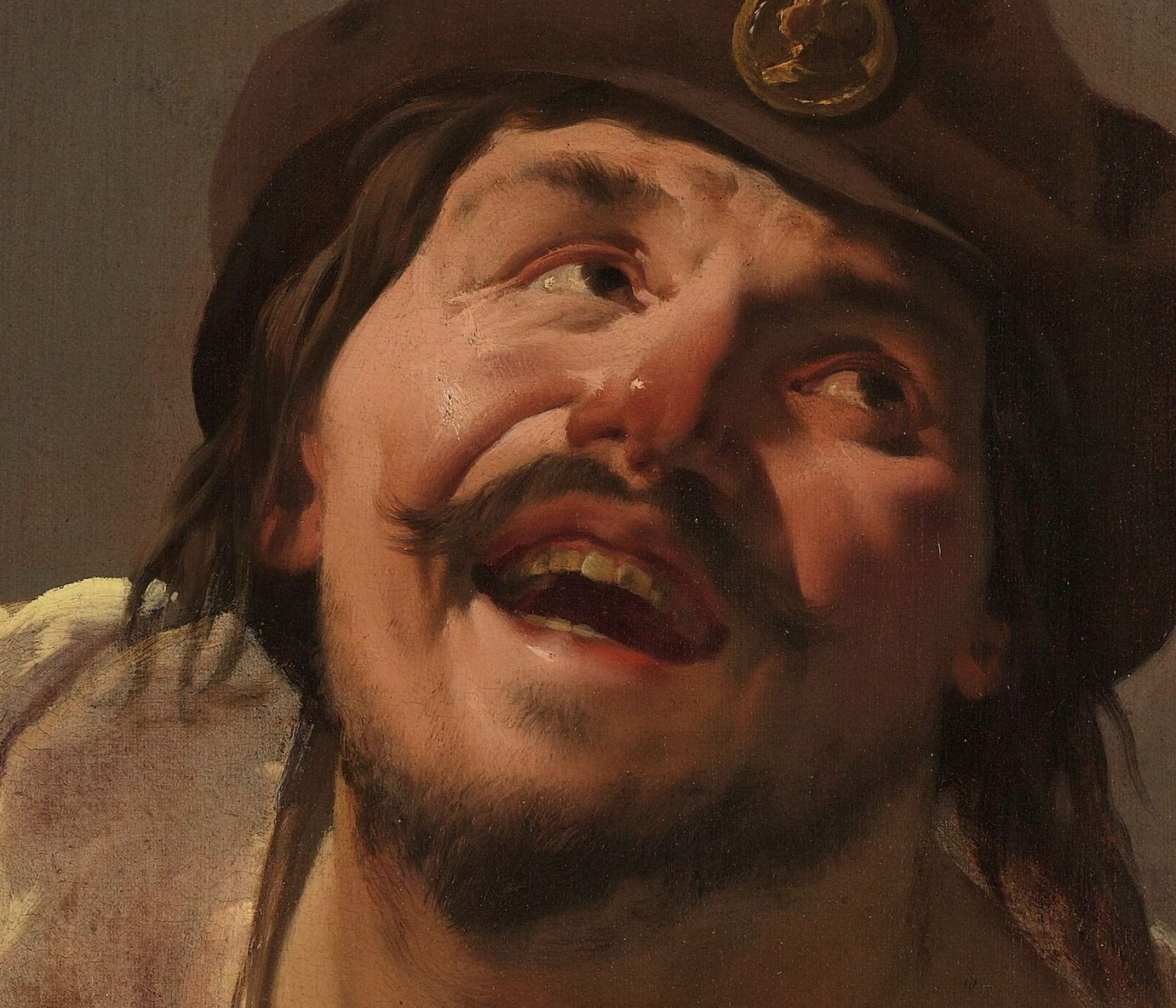
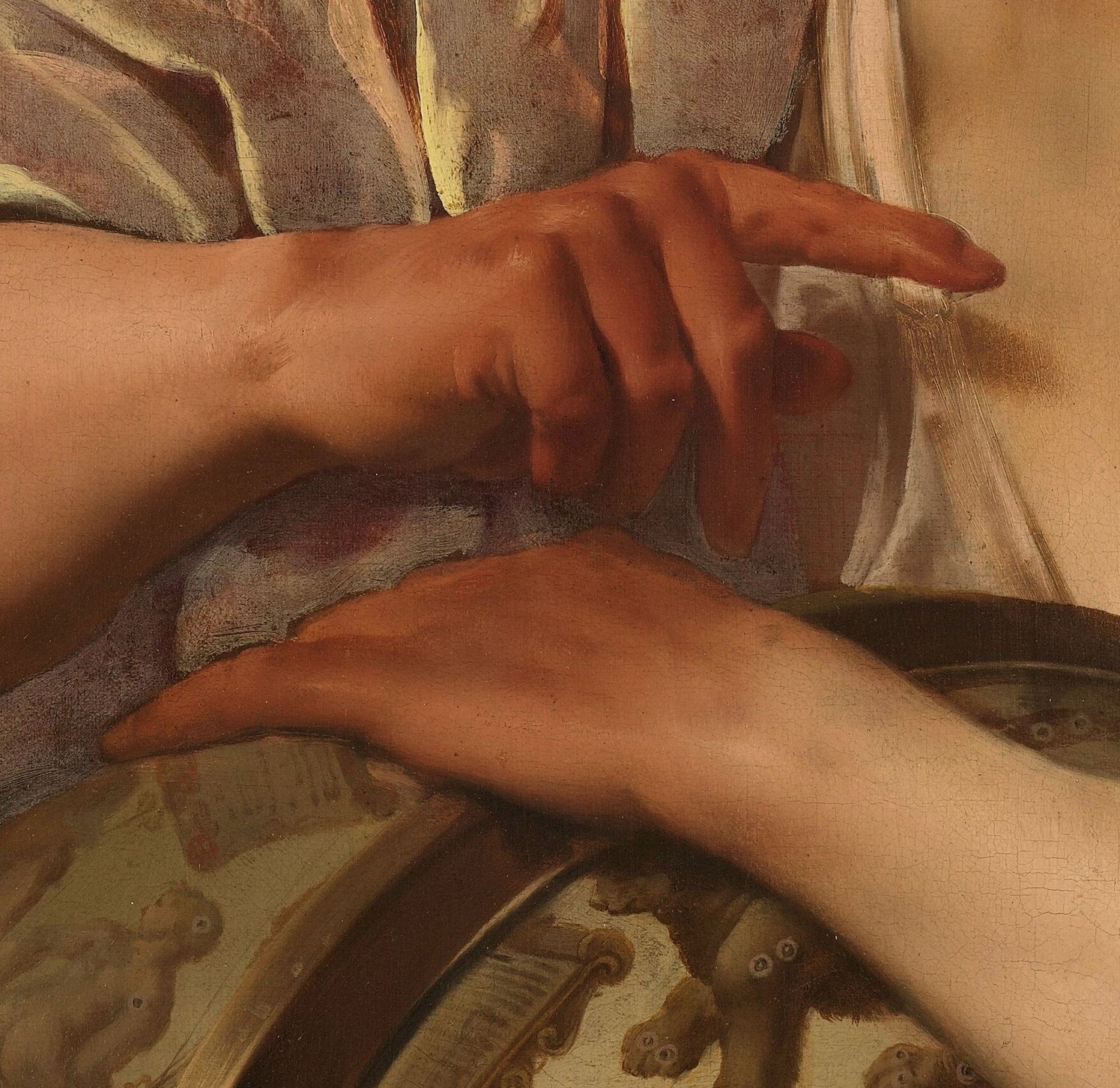
Look closely at Democritus’s face, captured mid-laugh, with his eyes cast upwards. He rests his hand on a globe, pointing at the constellations, embodying his philosophical belief that everything in life, even its difficulties, could be a source of amusement.
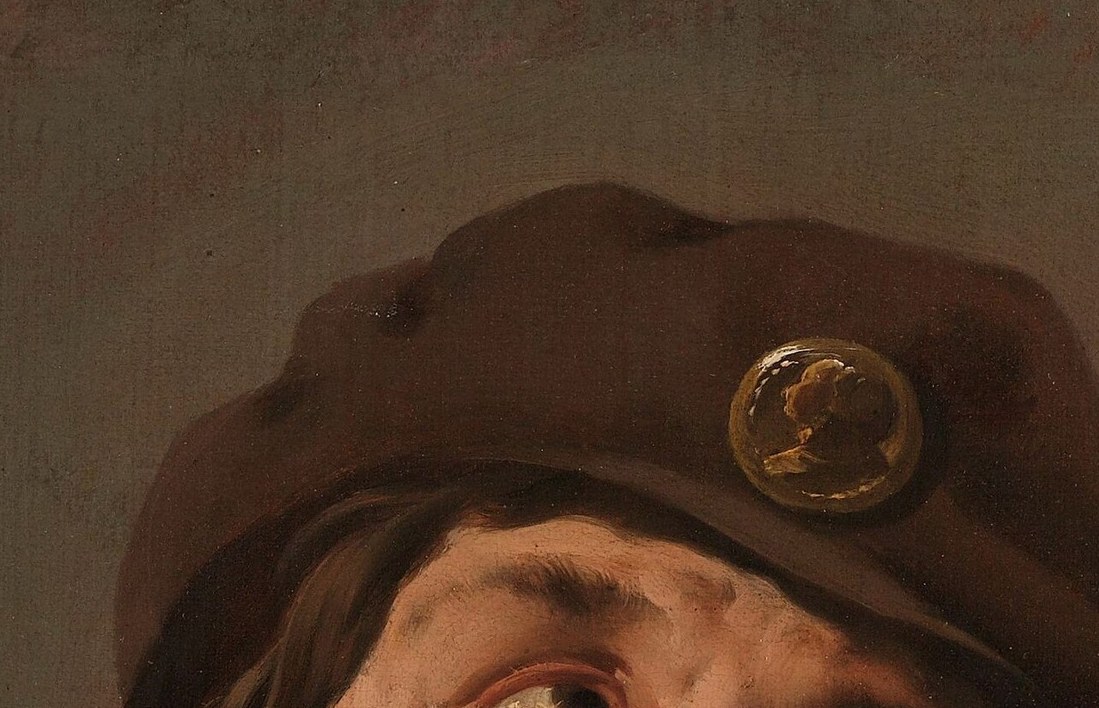
Ter Brugghen was a leading figure among the Utrecht Caravaggisti, a group of Dutch artists heavily influenced by the Italian master Caravaggio. Their style is characterized by intense chiaroscuro and a powerful naturalism, both evident in the dramatic illumination of Democritus’s face against a dark background.
This painting invites us to consider a world where laughter and contemplation are intertwined. What does his laugh communicate to you?
Details
Transcript
This man is Democritus, the Laughing Philosopher. He believed everything in life, even sadness, was funny. This painter, Ter Brugghen, was one of the Dutch Caravaggisti. He used light and shadow dramatically, like Caravaggio. Democritus rests his hand on a globe, pointing at the cosmos. But his gaze lifts upward, always finding joy in the world.