Landscape by Wilhelm Trübner
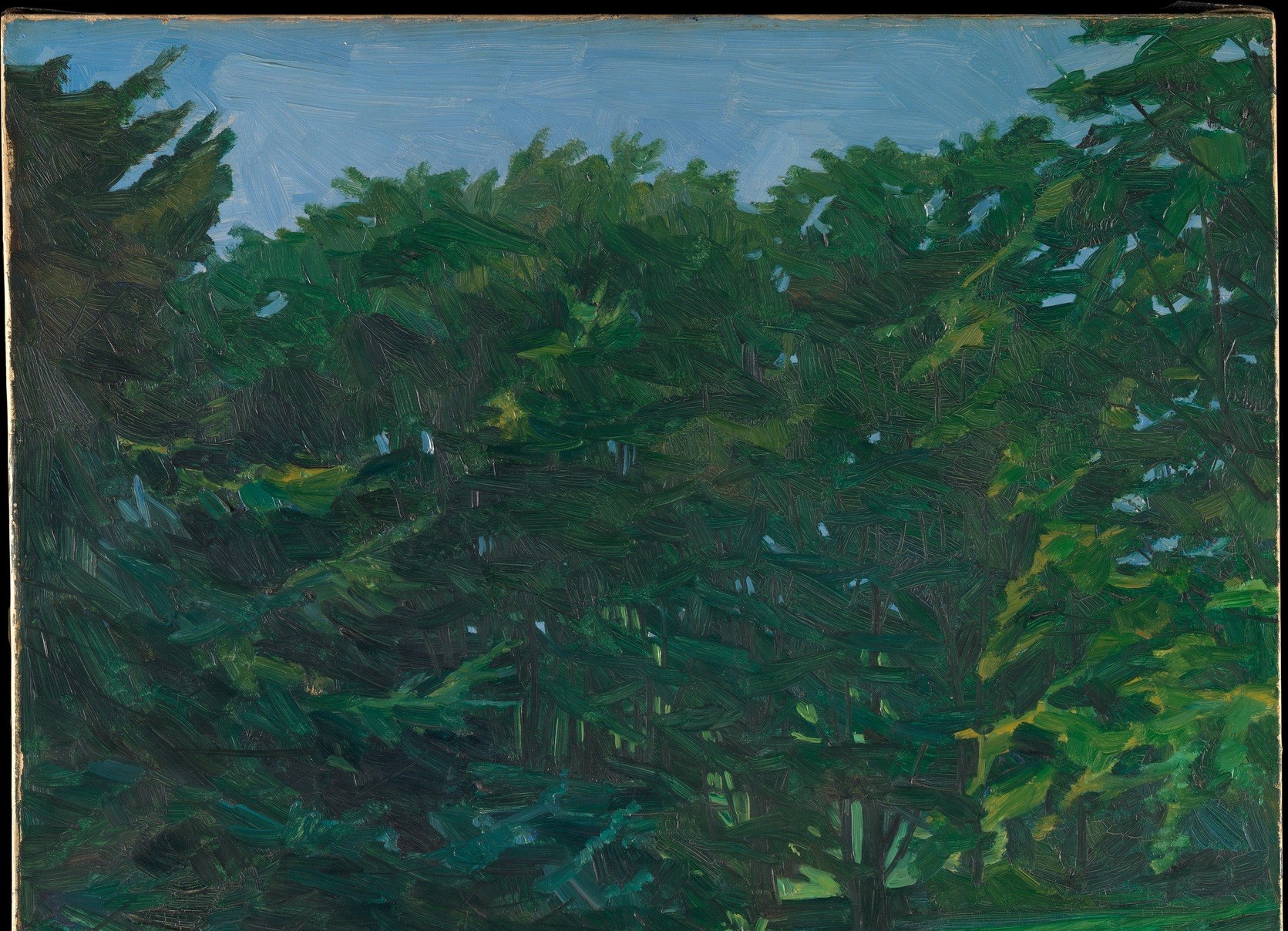
Wilhelm Trübner's Landscape, painted in 1910, is a masterclass in using thick oil paint to create a palpable sense of texture and depth. This painting, held at The Metropolitan Museum of Art, invites you to look closely at how the artist built his world.
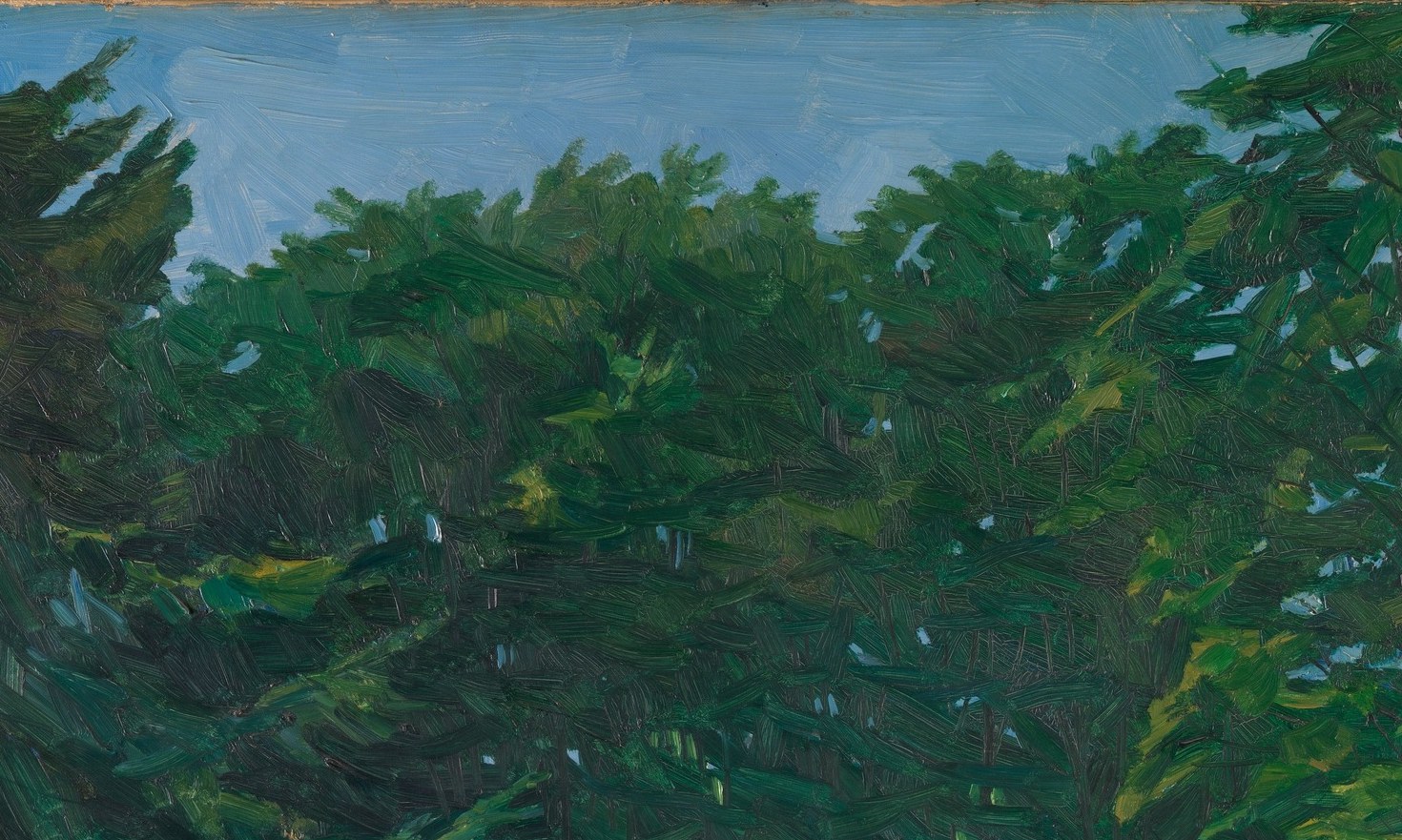
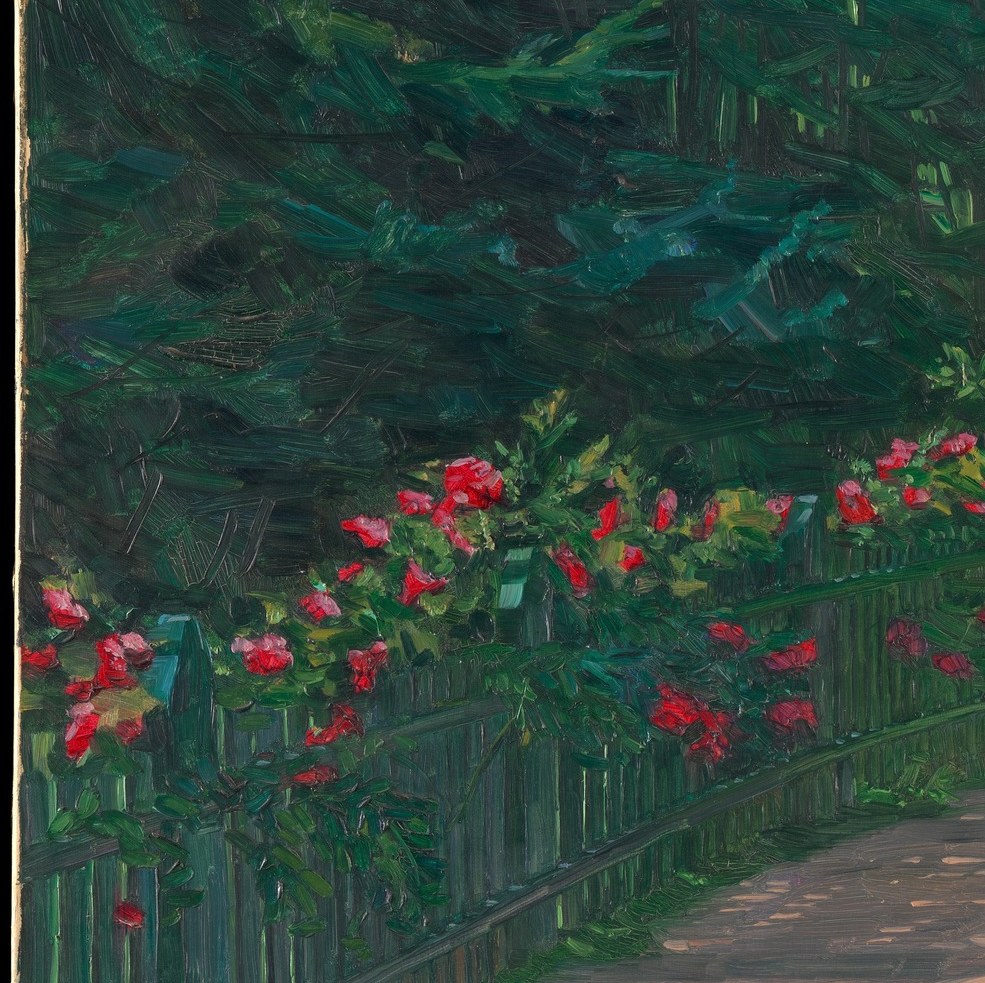
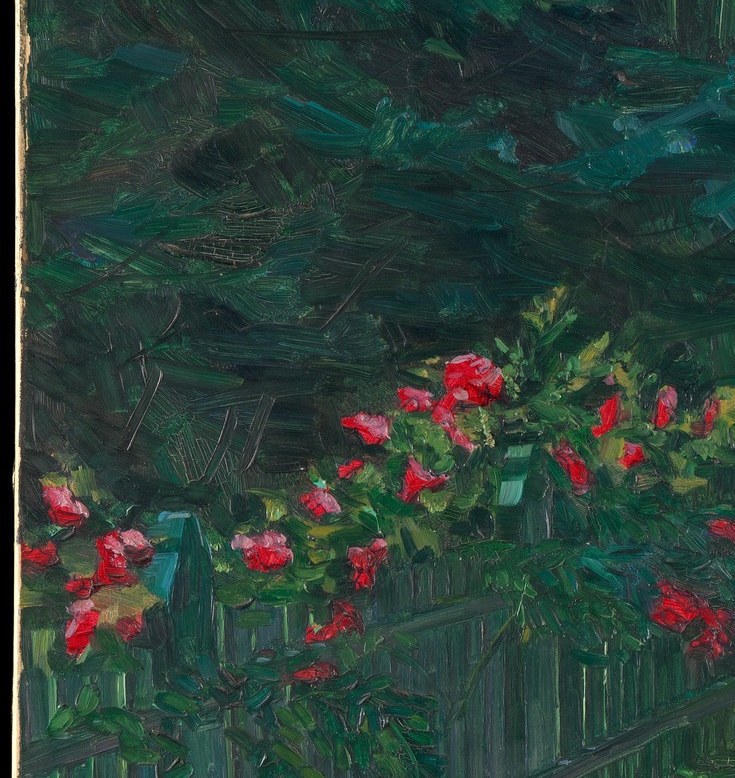
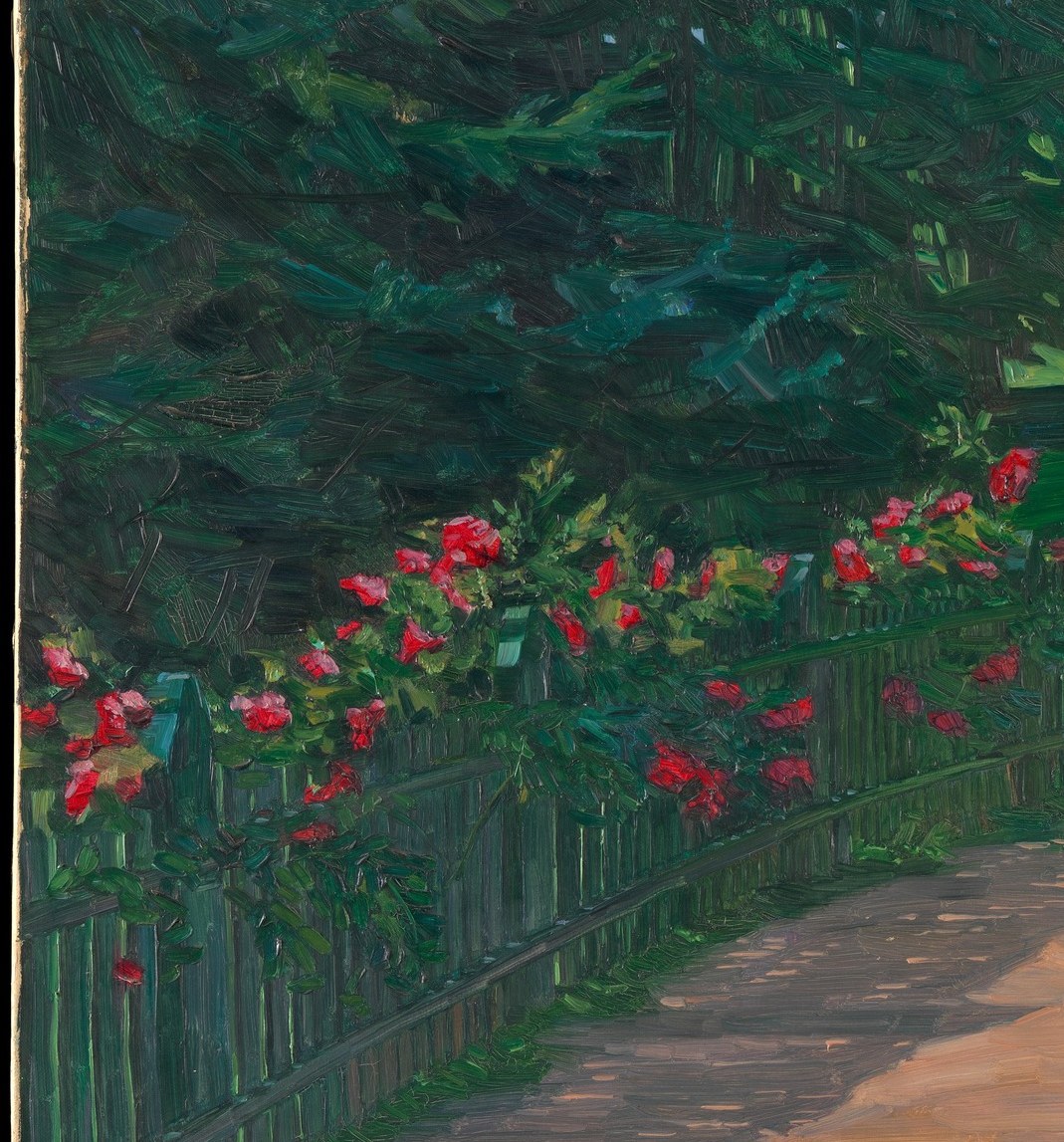
Notice the dense, almost sculptural quality of the foliage, particularly the green leaves around the vibrant red flowers. Trübner's confident, visible brushstrokes transform mere paint into living, breathing forms. The way light catches these raised surfaces adds to the illusion, making the scene feel immediate and tangible.
Trübner, born in Heidelberg, was known for his distinctive technique, which emphasized the physical properties of paint. This approach allowed him to capture the essence of a natural scene not just through color and composition, but through the very texture of his materials. It's a testament to his skill that a seemingly simple landscape holds such visual complexity upon closer inspection.
What other details do you notice when you zoom in on the brushwork?
Details
Transcript
This painter transforms thick oil into vibrant, living texture. He builds layers of paint to create the dense forest canopy. Each stroke is visible, building a wall of green foliage. Even the bright sunlit leaves are dabs of pure color. But the trick is clearest in these flowering vines. The greens are built up with loaded, tactile brushwork.